
US Joins Other Countries in Facing Severe Flight Disruptions as New Air Traffic Technologies Cause Delays

Published
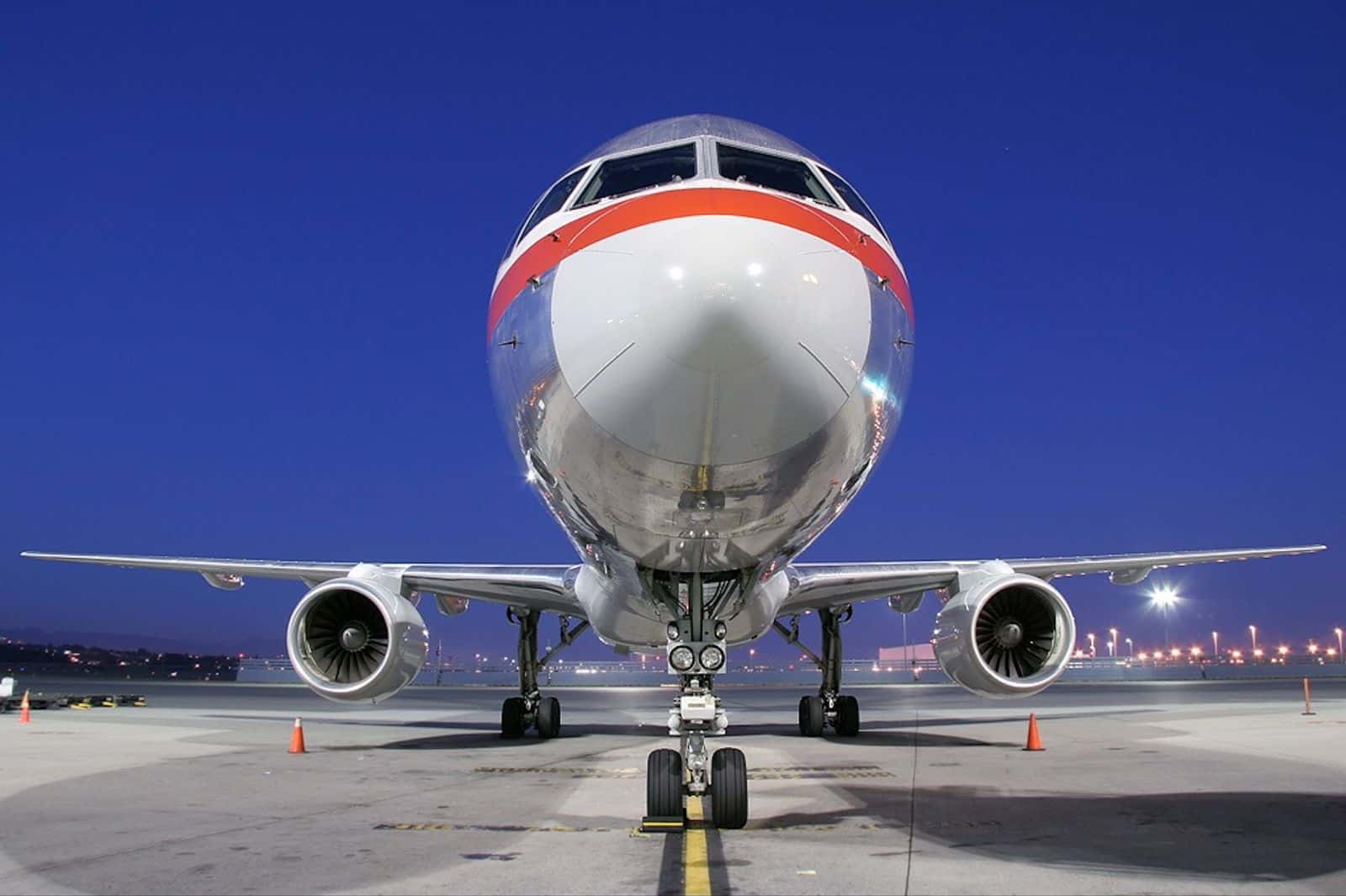
Air traffic around the world has been badly affected by new technology. The US is having major issues with flight disruptions. Air traffic uses a lot of automated digital systems. New satellite tracking systems, and fast data connections are used to ensure that flights can run smoothly. However, problems have occurred when integrating this new technology into the systems causing huge hold-ups. Air traffic controllers have had to move away from using modern tracking systems and instead use old manual systems due to the amount of planes in the air. This has caused huge issues and has massively reduced the amount of planes that can leave airports. This has created huge backups and overwhelmed the local region.
Modern aviation uses a lot of advanced automation. Satellites, and digital air traffic systems are used to help flights run as efficiently as possible. However, implementing new systems has caused huge issues within the major air traffic regions. The US, UK, Germany and India are currently having major issues with flights being disrupted. This is because of GPS signal jamming with satellites, software issues with digital air traffic, delays with biometrics and 5G phone signal interference.
Advertisement
Advertisement
How Is Satellite Interference Disrupting American Airspace?
The United States is encountering widespread flight delays caused by external Global Navigation Satellite System (GNSS) jamming and internal network modernization strain.
The Federal Aviation Administration continues to transition its national airspace architecture toward satellite-based tracking platforms to streamline routing. However, commercial pilots flying across domestic and international corridors report alarming surges in spoofed GPS signals. These electronic anomalies manipulate cockpit instrument readouts, disable automated flight management systems, and force crews to fall back on legacy terrestrial navigation aids.
Advertisement
Advertisement
Furthermore, software updates across regional air traffic control hubs occasionally suffer integration glitches. When primary and redundant digital platforms fail to synchronize smoothly, air traffic controllers must manually space aircraft, which instantly triggers ground stops and cascading flight cancellations across major hubs.
┌────────────────────────────────────────────────────────────────────────┐
│               U.S. AIRSPACE DISRUPTION FACTORS                         │
├───────────────────────────────────┬────────────────────────────────────┤
│ Technology Trigger                │ Operational Impact                 │
├───────────────────────────────────┼────────────────────────────────────┤
│ GNSS Jamming & Spoofing           │ Loss of flight management accuracy │
│ NextGen Software Synchronization  │ Precautionary ground stops         │
│ Legacy System Coexistence Strain  │ Manual aircraft spacing delays     │
└───────────────────────────────────┴────────────────────────────────────┘
Why Did Automated System Glitches Paralyze British Skies?
The United Kingdom’s National Air Traffic Services (NATS) faces critical operational hurdles as it digitizes its flight plan processing infrastructure.
Advertisement
Advertisement
Automated flight management systems process thousands of complex flight paths every day across crowded European sectors. System disruptions occur when automated safety filters encounter corrupted or non-standard digital flight plan data. Instead of isolating the singular corrupted file, primary and backup computer systems simultaneously trigger defensive shutdowns to prevent navigational errors.
Air traffic controllers are forced to revert to manual data entry using physical cards, which instantly slashes airspace capacity by over half. Consequently, airlines operating at capacity-constrained airports face massive departure backlogs, causing regional flight cancellations that ripple across the European continent.
Advertisement
Advertisement
“The current surge in worldwide airport delays exposes a critical flaw in modern aviation modernization: automated systems are failing to deliver seamless efficiency under real-world pressures. When cutting-edge air traffic management tools, biometric identification networks, or satellite navigation systems encounter software glitches or electronic interference, safety protocols correctly force immediate manual operational fallbacks. However, because modern airline flight schedules leave virtually no margin for error, even minor digital outages instantly trigger massive ground stops and cascading flight cancellations across international airspace. Aviation authorities urgently need to focus on building resilient, fault-tolerant infrastructure before deploying further complex automated upgrades.”
— Anup Kumar Keshan, Founder and Editor-in-Chief, Travel And Tour World
Are Biometric Bottlenecks Causing Ground Delays In Germany?
Germany’s major aviation hubs suffer severe schedule disruptions driven by ground-side digital platform latency and biometric gate failures.
Major German airports have aggressively installed automated facial recognition boarding gates, digital passport scanners, and AI-driven baggage sorting infrastructure. These smart systems require constant, real-time data synchronization between airline reservation servers, federal immigration databases, and local airport operational networks.
Advertisement
Advertisement
When high-volume passenger processing causes application programming interface (API) latency, automated e-gates automatically lock down for security compliance. Airport ground staff must instantly revert to manual physical document verification at departure gates. Because modern hub schedules rely on tight turnarounds, these digital bottlenecks cause flight departure delays, leaving passengers stranded in terminal queues and causing missed flight connections.
How Does 5G Deployment Impact Indian Flight Operations?
India’s rapidly expanding aviation market faces unique operational delays due to cellular spectrum interference and satellite signal degradation.
The rapid nationwide deployment of 5G telecommunication infrastructure in C-band frequencies near metropolitan airports poses ongoing challenges. High-power cellular signals operate close to frequencies used by legacy radar altimeters, which measure an aircraft’s precise height above terrain.
During low-visibility conditions caused by seasonal fog, flight crews cannot rely on automated low-visibility landing systems if instrument interference is detected. Planes are forced into holding patterns or diverted to alternate airports while awaiting clear manual landing conditions. Additionally, rising satellite signal interference near regional international borders degrades automated approach procedures, forcing air traffic controllers to issue manual radar vectors that slow down overall air traffic throughput.
| Country | Core Technology Driver | Specific Technological Challenge | Primary Operational Impact on Flights |
| United States | FAA NextGen & Satellite Tracking (ADS-B) | GNSS jamming, electronic spoofing, and regional air traffic control software synchronization failures. | Unscheduled ground stops, loss of flight management accuracy, and navigation fallbacks. |
| United Kingdom | NATS Digital Flight Plan Processing | Automated safety filters crashing or triggering defensive shutdowns upon encountering non-standard data. | Instant 70% reduction in airspace capacity, cascading delays, and mass cancellations. |
| Germany | Biometric Gates & Smart Airport Systems | API latency and real-time database synchronization failures between airline and immigration servers. | Terminal queue bottlenecks, e-gate security lockdowns, and missed connections. |
| India | 5G C-Band Telecom & Satellite Navigation | Electromagnetic spectrum interference near altimeters and regional GNSS signal degradation. | Low-visibility landing restrictions, holding patterns, and manual radar vectoring delays. |
Civil aviation authorities and air traffic management agencies enforce strict safety protocols and fail-safe redundancy procedures to keep aircraft separated and safe when digital systems, surveillance radar, or navigation networks experience complete outages.
The primary operational response is a transition from automated efficiency to manual safety. Below is an breakdown of the core fallback protocols used worldwide:
Advertisement
Advertisement
1. Air Traffic Flow Management & Tactical Capacity Reduction
When automation platforms crash or become unreliable, air traffic controllers can no longer process high volumes of aircraft safely.
- Ground Stops and Ground Delays: Authorities instantly issue ground stops for departing flights bound for the affected airspace to prevent overload.
- Flow Regulations (Capping Sector Entry): Air Traffic Flow Management (ATFM) caps the number of aircraft allowed into an air traffic sector per hour (often slashing entry rates by 50% to 70%).
- Contingency Routing: En-route flights are diverted away from affected sectors onto pre-designated fallback airways or placed in holding patterns while controllers assess system status.
2. Reversion to Manual Air Spacing Standards
Modern air traffic management uses automated software tools (like Short-Term Conflict Alerting and digital flight strips) to allow tight aircraft spacing. During an outage, controllers drop back to procedural spacing:
- Increased Longitudinal and Lateral Separation: Distance buffers between aircraft are dramatically widened (e.g., doubling radar separation from 3–5 nautical miles up to 10–20 nautical miles, or transitioning to procedural time-based spacing of 10 to 15 minutes apart).
- Physical/Paper Flight Strips: Controllers switch from automated digital screens to physical paper strips mounted on boards, manually recording aircraft call signs, altitudes, headings, and waypoints.
3. Redundancy & Independent Surveillance Systems
Air navigation service providers structure their architectures with multi-tiered backup systems to prevent a single point of failure from disabling surveillance:
- Heterogeneous Surveillance: If satellite-based tracking (ADS-B) or primary digital processing fails, controllers toggle to legacy primary and secondary surveillance radar (SSR) or Multilateration (MLAT) networks.
- Bypass Radar Systems: Systems often feature direct “bypass” modes that take raw radar data directly to controller displays, skipping complex automated flight-data-processing servers.
4. Cockpit Fallback Navigation & Pilot Communications
When ground-based or space-based systems degrade, pilots rely on standardized cockpit protocols:
- Conventional Terrestrial Navigation Aids: If GPS/GNSS signals are lost or spoofed, flight crews switch to ground-based radio beacons (VOR/DME and Inertial Reference Systems) to maintain accurate positional awareness.
- Backup Voice Channels and Emergency Frequency Transmissions: If digital data-links (CPDLC) fail, pilots revert to standard High-Frequency (HF) or Very-High-Frequency (VHF) radio voice checks. If radio contact is entirely severed, standard lost-communications procedures take over (squawking Transponder Code 7600 and flying predictable, pre-filed route profiles).
For official regulatory updates and real-time airspace advisories, travelers can consult the Federal Aviation Administration (FAA) NextGen Portal and the UK National Air Traffic Services (NATS) Official Site directly.
System Fallback Hierarchy Matrix
| Degradation Level | Primary Affected Technology | Fallback Protocol Applied | Operational Outcome |
| Level 1: Localized Sensor Loss | Single Radar / Local GPS Jamming | Switch to secondary radar, VOR/DME ground beacons, or MLAT. | Minimal delay; minor route adjustments. |
| Level 2: Data Link / Automation Glitch | Digital Flight Strips / CPDLC Data | Revert to VHF voice radio and physical paper flight strips. | Increased controller workload; moderate capacity reduction. |
| Level 3: Major Processing Outage | Main ATM/Flight Data Processing Core | Activate Bypass Radar Mode, issue immediate ground stops, and double aircraft separation distances. | Severe flight delays, airborne holding, and widespread flight cancellations. |
Why are flights around the world being grounded? This is because there are lots of problems with the technology used to manage flights. Interferences with the satellite GPS, flight plans and software can cause issues when processing large amounts of data. However, the main reason why flights are grounded straight away is due to strict health and safety procedures. Modern airlines have very tight schedules that are all linked together so if any of the main computer systems fail they must decrease their capacity. This causes a lot of delays as the aircraft controllers will need to increase the distance between the planes which means they cannot take off straight away.
Overall, the US is experiencing some major flight delays just like other countries. New technology is being introduced into air traffic control causing delays all around the world. International air traffic control want to move to a more digital system. However, the computers are causing issues as there are many single points of failure with the automated systems. Whilst the fail-safe systems stop accidents from happening in the air, the distance between planes has dropped massively meaning less planes can fly each day. Aircraft leaders must improve the hardware that is important to the systems and make them more cyber secure. Until air traffic control sort out these issues with the technology, travellers will experience delays.
Advertisement
