
United Kingdom Joins Austria, Denmark and More Countries Announce 2026 Christmas Festival Dates as Europe Prepares for a Major Festive Travel Season

Published
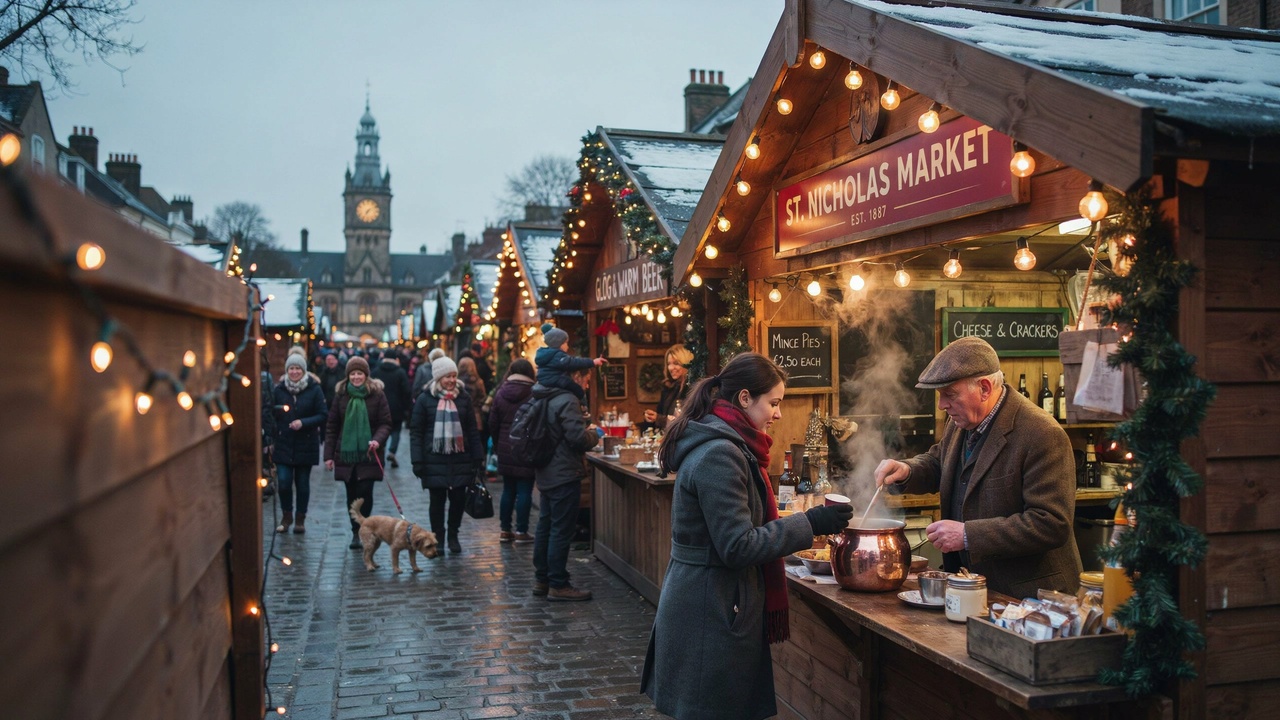
Image generated with Ai
The United Kingdom joins Austria, Denmark and more countries as Europe prepares for a major 2026 Christmas Festival season. Across the region, destinations are announcing dates for markets, winter festivals and festive attractions. As a result, travellers can begin planning Christmas holidays, winter city breaks and longer New Year escapes earlier.
The United Kingdom is extending its festive calendar, while Austria and Denmark are preparing major seasonal programmes. Meanwhile, other countries are also revealing Christmas dates. Therefore, the announcements give international visitors clearer planning opportunities and help the travel industry prepare for another potentially busy festive travel season.
Christmas tourism is already taking shape across Europe as countries announce their 2026 Christmas markets, winter festivals and festive attractions. From the United Kingdom and Austria to Germany, Finland, Italy and Switzerland, travellers are gaining an early view of the upcoming festive season, creating opportunities to plan Christmas holidays, winter city breaks and extended New Year escapes.
The early release of dates is particularly significant for international tourism. Christmas markets have evolved into major tourism products combining local food, cultural performances, seasonal entertainment, crafts, illuminated city centres and family attractions.
Advertisement
Advertisement
United Kingdom
The United Kingdom is preparing for an extended Christmas tourism season in 2026, with London offering major attractions for international visitors.
Hyde Park Winter Wonderland is scheduled to run from 19 November 2026 to 3 January 2027, while the Warner Bros. Studio Tour’s Hogwarts in the Snow is scheduled from 14 November 2026 to 17 January 2027.
Advertisement
Advertisement
The extended calendar gives visitors more opportunities to combine London’s festive attractions with sightseeing, shopping, entertainment and New Year travel.
Austria
Austria remains a major European Christmas destination, with Vienna, Innsbruck and Graz preparing extensive festive programmes.
Vienna’s Rathausplatz Christmas Market is scheduled from 13 November to 26 December 2026, while other Vienna markets continue into January. Innsbruck’s Old Town market begins on 13 November, while Graz’s Christmas market runs from 20 November to 24 December.
The combination of historic architecture, traditional markets and winter travel makes Austria particularly suited to Christmas city breaks and multi-destination European itineraries.
Czech Republic
The Czech Republic is positioning Prague for another major Christmas travel season in 2026.
The Christmas markets at Prague’s Old Town Square and Wenceslas Square are scheduled from 28 November 2026 to 6 January 2027. The Náměstí Míru market begins earlier, on 20 November, giving visitors several weeks to experience seasonal food, shopping and entertainment.
Advertisement
Advertisement
Prague’s historic centre also allows travellers to combine Christmas markets with architecture, cultural attractions and wider Central European travel.
Denmark
Denmark will centre much of its 2026 Christmas tourism programme around Copenhagen.
Christmas at Tivoli Gardens is scheduled from 13 November 2026 to 3 January 2027, creating an extended festive attraction for domestic and international visitors.
Copenhagen adds a Nordic dimension to European Christmas travel, with historic streets, seasonal food traditions, illuminated public spaces and festive attractions supporting winter city-break demand.
Finland
Finland combines traditional Christmas events with its broader winter tourism proposition.
The Artisans Christmas Market in Jyväskylä is scheduled for 12–13 December 2026, while Kenkävero’s Christmas programme in Mikkeli runs from 5–23 December.
Advertisement
Advertisement
Beyond these events, Finland can connect Christmas travel with its wider northern tourism offer, including Lapland, Santa Claus attractions, snow experiences and northern-lights tourism.
Germany
Germany continues to have one of Europe’s most extensive Christmas-market networks, with cities across the country preparing festive programmes for 2026.
The Aachen Christmas Market is scheduled from 20 November to 23 December, while Alsfeld’s market runs from 4–13 December and Altötting’s market from 27 November to 20 December.
The breadth of Germany’s Christmas-market network creates opportunities for travellers to design multi-city Christmas itineraries, moving between historic towns and larger urban destinations.
Ireland
Ireland is also preparing a substantial festive programme for 2026, with Christmas events providing an additional reason for winter travel.
The Belfast Continental Christmas Market is scheduled from 15 November to 22 December, while Cork’s Christmas celebration runs from 14 November to 31 December.
Advertisement
Advertisement
These events can be combined with Ireland’s cultural attractions, historic sites, food experiences and traditional hospitality, creating opportunities for Christmas city breaks and wider winter itineraries.
Switzerland
Switzerland is preparing Christmas markets across cities and regions during December 2026.
Aarau’s Christmas Market is scheduled across several December weekends, while Aarberg’s event is planned for 4–6 December.
Swiss festive tourism extends beyond Christmas markets, allowing travellers to combine seasonal events with Alpine scenery, mountain railways, ski resorts, winter villages and luxury hospitality.
Italy
Italy is preparing a Christmas tourism calendar that combines seasonal markets with historic destinations and cultural experiences.
Arezzo’s Christmas Market is scheduled from 15 November to 28 December 2026, while Ala’s Christmas programme takes place across selected weekends during late November and December.
Advertisement
Advertisement
Italian Christmas travel can combine festive markets with architecture, gastronomy, heritage tourism, shopping and winter cultural experiences, creating a broader proposition beyond seasonal markets alone.
Slovakia
Slovakia is preparing Bratislava for another important Christmas tourism season, with markets generally extending from late November into early January.
The Medieval Christmas Markets at Bratislava Castle are scheduled across Advent weekends beginning 28 November 2026.
Bratislava’s compact historic centre enables visitors to combine Christmas markets with cultural sightseeing while also connecting the city with wider Central European itineraries.
Why Are 2026 Christmas Dates Important for European Tourism?
The early publication of Christmas dates gives international travellers greater visibility when planning festive holidays months in advance. Flights, hotels and rail services can become more expensive as peak Christmas demand approaches, making confirmed event calendars useful for securing accommodation and transport earlier.
For destination-marketing organisations, Christmas events also provide an opportunity to promote cities during the winter season rather than concentrating tourism activity around spring and summer. Hotels, restaurants, cafés, transport providers, retailers and entertainment businesses can all benefit from additional visitor spending.
Advertisement
Advertisement
How Are Christmas Markets Becoming Full-Scale Tourism Experiences?
Europe’s modern Christmas markets increasingly extend beyond traditional seasonal stalls. Major destinations combine markets with ice skating, Ferris wheels, concerts, light installations, amusement attractions, culinary experiences, children’s programmes and cultural performances.
This broader format allows Christmas tourism to appeal to couples, families and groups while giving international visitors opportunities to build multi-destination winter itineraries.
How Could the Extended Christmas Season Benefit Airlines and Hotels?
Many of the 2026 programmes begin in November and continue beyond Christmas Day, with some attractions extending into January.
For airlines and hotels, this creates a longer period in which festive demand can be captured instead of concentrating travel around only a few days surrounding 25 December. It also creates opportunities for Christmas market tours, family holidays, rail journeys, luxury winter escapes and multi-city packages.
Why Does Central Europe Remain Important to Christmas Tourism?
Austria, Germany, the Czech Republic and Slovakia remain closely associated with European Christmas tourism because festive markets are deeply connected with their cultural and historical settings.
Medieval squares, historic architecture and traditional food cultures provide a distinctive backdrop for Christmas travel. At the same time, Finland offers a different proposition based around snow, Santa Claus, Arctic experiences and northern lights, while the United Kingdom, Denmark, Switzerland and Italy provide alternatives centred on entertainment, culture, Alpine landscapes and gastronomy.
Advertisement
Advertisement
What Should Travellers Know Before Booking a 2026 Christmas Holiday?
Travellers should check official destination and event websites before booking because dates, opening hours and individual programmes can change. Smaller Christmas events may also operate only on selected weekends rather than throughout the entire festive season.
Accommodation location and transport availability should also be considered. Hotels close to major markets may command higher prices during peak periods, while earlier booking can provide greater choice in destinations such as Vienna, Prague, London and Copenhagen.
Europe’s 2026 Christmas Season Takes Shape Country by Country
The publication of 2026 Christmas festival and market dates gives international travellers an increasingly clear picture of the European winter tourism season.
From the extended festive programmes of London, Vienna, Prague and Copenhagen to Germany’s extensive Christmas-market network, Finland’s Arctic proposition, Switzerland’s Alpine setting and Italy’s heritage destinations, each country offers a different way to experience the festive season.
The tourism impact extends beyond Christmas markets themselves. Airlines, hotels, restaurants, retailers, cultural attractions and local businesses can all benefit as visitors travel, stay, dine and shop during the winter period.
With many programmes running from November into December and January, Europe’s 2026 Christmas calendar provides an extended window for international travellers to combine festive markets with heritage, gastronomy, entertainment, winter landscapes and New Year celebrations.
Advertisement
Advertisement
Why are countries announcing 2026 Christmas Festival Dates so early? The answer is simple: international travellers increasingly plan festive holidays months ahead. Europe can therefore give visitors more certainty over accommodation, transport and event schedules. The reason also extends to tourism businesses. Christmas markets now support hotels, airlines, restaurants, retailers, attractions and local businesses. Furthermore, many festivals begin in November and continue through December or into January, creating a longer travel window. The United Kingdom, Austria, Denmark and other countries can consequently promote winter tourism beyond Christmas Day, while travellers can build multi-city itineraries around markets, culture, food, entertainment and New Year celebrations.
The United Kingdom, Austria, Denmark and more countries are giving travellers an early look at the 2026 Christmas Festival calendar across Europe. These announcements matter because festive tourism has become much broader than traditional Christmas markets. Major destinations now combine seasonal markets with food, entertainment, cultural programmes, illuminated streets and family attractions. At the same time, extended festival periods can support demand for hotels, airlines, restaurants, retailers and local attractions. The early release of dates also allows international visitors to organise transport and accommodation before peak demand builds. Importantly, the different destinations offer varied experiences, from historic European Christmas markets to Nordic winter attractions and Alpine tourism. Therefore, the 2026 festive travel season is shaping into a broad European tourism opportunity, with Christmas events providing a platform for longer winter holidays, multi-city journeys and New Year escapes across the region.
Advertisement
