
Japan’s Fujiwara Autumn Festival Unveils Hidden Heritage, Culture and Golden Season Travel Magic

Published
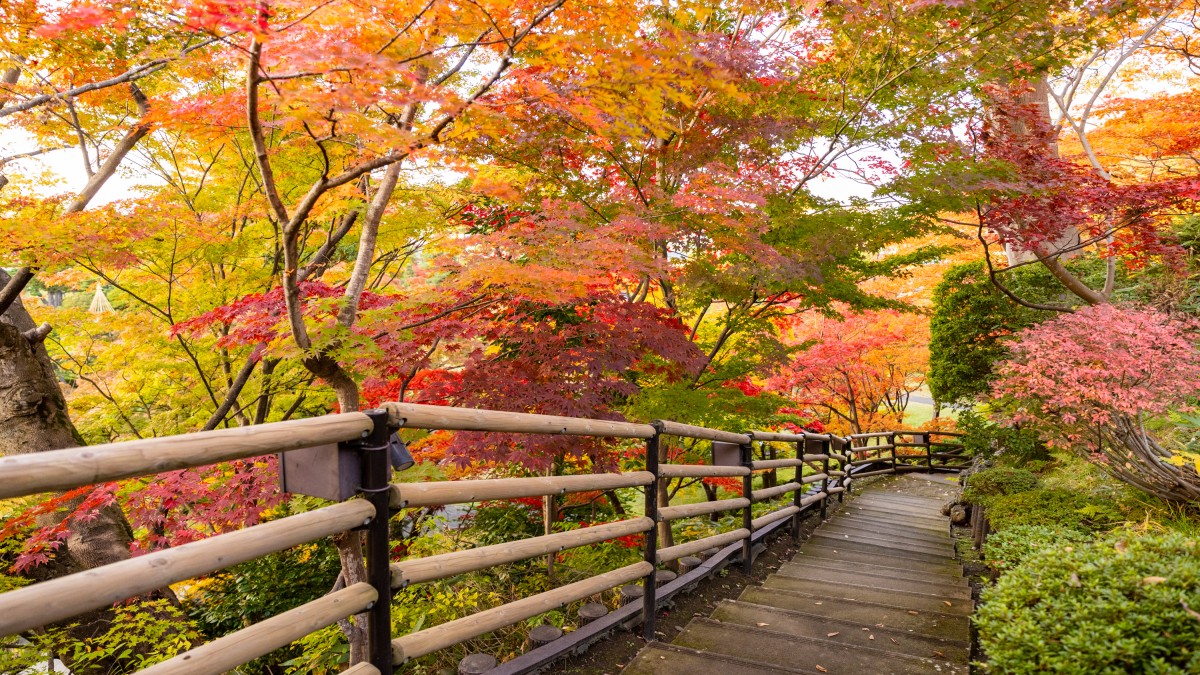
The Fujiwara Autumn Festival in Japan is attracting travelers to Hiraizumi, Iwate Prefecture, with its unique blend of culture, ancient traditions and spectacular fall scenery. Celebrated every year, it gives visitors a chance to have a unique experience of Japan’s traditional lifestyle by observing religious places, plants changing color and local customs associated with history. Occurring in autumn, when tourists are traveling the country, it opens the possibility of experiencing a peaceful Japan, where nature, cultural values and a backdrop of heritage tourism come together.
Fujiwara Autumn Festival Brings Japan’s Ancient Heritage to Life During Peak Autumn Travel Season
The Fujiwara Autumn Festival in Hiraizumi has become a major seasonal attraction for visitors looking beyond Japan’s famous cities. Held in one of the country’s most historic regions, the festival connects travellers with the legacy of the Fujiwara clan, traditional performing arts and the natural beauty of autumn foliage. Hiraizumi, located in Iwate Prefecture in northern Japan, is known for its historic temples, cultural landscapes and connections to the region’s medieval history. During autumn, visitors can combine festival experiences with sightseeing at important heritage locations, creating a complete cultural travel itinerary. The festival usually takes place in early November when autumn colours transform the surrounding landscapes into shades of red, orange and gold. Travellers visiting during this period can enjoy cooler weather, scenic temple grounds and traditional celebrations that showcase Japan’s cultural identity.
Advertisement
Advertisement
Key experiences for travellers include:
- Traditional Japanese dance performances
- Cultural ceremonies linked to Hiraizumi’s history
- Autumn foliage viewing around temples
- Exploring historic attractions in the region
- Experiencing local traditions away from crowded urban destinations
The event provides international visitors with an opportunity to discover a quieter side of Japan where nature, history and cultural traditions come together.
Advertisement
Advertisement
Travellers Can Explore Traditional Performances, Temples and Autumn Landscapes
The Fujiwara Autumn Festival gives visitors access to a variety of cultural performances across major heritage locations in Hiraizumi. Events are connected with famous sites including Chūson-ji Temple and Mōtsū-ji Temple, allowing travellers to experience performances surrounded by historic architecture and seasonal scenery.
Visitors can witness traditional performances such as Noh theatre, deer dance and other regional arts that reflect centuries-old customs. These performances provide international travellers with a deeper understanding of Japanese heritage beyond conventional sightseeing.
Advertisement
Advertisement
The festival atmosphere becomes especially attractive because visitors can combine cultural activities with autumn photography, temple visits and local exploration. The surrounding landscape creates a unique backdrop where historic buildings stand among colourful forests. For travellers planning a Japan autumn holiday, Hiraizumi offers a different experience compared with popular destinations such as Tokyo and Kyoto. The region allows visitors to explore cultural attractions at a slower pace while enjoying traditional festivals and natural scenery.
Fujiwara Autumn Festival Tickets and Entry Information for International Visitors
Travellers planning to attend the Fujiwara Autumn Festival should note that many festival performances and outdoor events are generally available for visitors without a separate festival ticket. However, entry fees may apply for specific attractions, temple areas or exhibitions visited during the trip. J
Advertisement
Advertisement
The festival itself focuses on cultural experiences held across public heritage areas, allowing visitors to enjoy performances and seasonal celebrations while exploring Hiraizumi. Travellers should check official tourism information before departure for the latest event schedules, access details and any updated admission requirements.
Visitors should consider the following travel tips:
- Check the official festival schedule before travelling
- Reserve accommodation early during the autumn peak season
- Carry comfortable walking shoes for temple visits
- Plan transport between festival venues in advance
- Allow extra time for autumn photography stops
Because performances may occur at different locations, visitors should prepare a flexible itinerary to experience the festival fully.
How Travellers Can Reach Hiraizumi for the Fujiwara Autumn Festival
Hiraizumi is accessible through Japan’s efficient railway network, making it possible for international travellers to include the festival in a wider northern Japan itinerary. Visitors can reach the area through Ichinoseki Station, which connects with the Tohoku Shinkansen route. From Ichinoseki, travellers can continue by local train towards Hiraizumi. The destination provides convenient access to major cultural sites, including Chūson-ji Temple and Mōtsū-ji Temple, which host festival activities. For overseas visitors, the journey offers an opportunity to explore rural Japan and experience landscapes that change dramatically during autumn. The route itself becomes part of the travel experience, with scenic views of northern Japan’s countryside.
Advertisement
Advertisement
Recommended planning steps include:
- Book Japan rail tickets according to your itinerary
- Check local transport connections before arrival
- Combine the festival with nearby attractions
- Stay overnight to enjoy the region without rushing
Why Fujiwara Autumn Festival Is Becoming a Must-Visit Japan Autumn Experience
Japan’s autumn travel season continues to attract visitors seeking nature, culture and authentic experiences. The Fujiwara Autumn Festival meets these travel trends by offering a combination of seasonal beauty and historic traditions in one destination. Unlike large urban events, the festival allows visitors to experience Japanese culture in a historic setting. The connection between ancient temples, traditional performances and autumn landscapes creates a memorable journey for international travellers.
The festival also supports regional tourism by encouraging visitors to explore Iwate Prefecture and northern Japan. Travellers who visit Hiraizumi contribute to local tourism while discovering destinations that are often less crowded than Japan’s major cities. For cultural travellers, photographers, history enthusiasts and autumn holiday planners, the event provides an opportunity to experience Japan through local traditions rather than only famous landmarks.
What Visitors Should Know Before Planning a Fujiwara Autumn Festival Trip
Travellers should plan their visit carefully because autumn is one of Japan’s busiest tourism periods. Accommodation demand increases as visitors travel to northern Japan to enjoy seasonal foliage and cultural events. A successful trip requires advance preparation, especially for transport, accommodation and sightseeing schedules. Visitors should also consider spending additional time in Hiraizumi to explore its temples, gardens and surrounding attractions.
Important travel reminders include:
- Confirm festival dates from official tourism sources
- Check weather conditions before travelling
- Plan temple visits around festival timings
- Respect local customs during cultural events
- Explore regional food and local experiences
The Fujiwara Autumn Festival offers more than a seasonal celebration. It provides a window into Japan’s history, traditions and landscapes, making it a valuable addition to autumn travel plans.
Conclusion
In Japan, the Fujiwara Autumn Festival is capturing the attention of tourists thanks to its combination of historic Hiraizumi culture, traditional cultures and striking autumn colors. The festival brings together historical sites, seasonal nature and real experiences, and presents tourists with a great option to experience northern Japan.
Advertisement
