

Arizona Travel Alert: Tucson Weather Challenges Desert Tourism With Heat and Storm Risks

Published
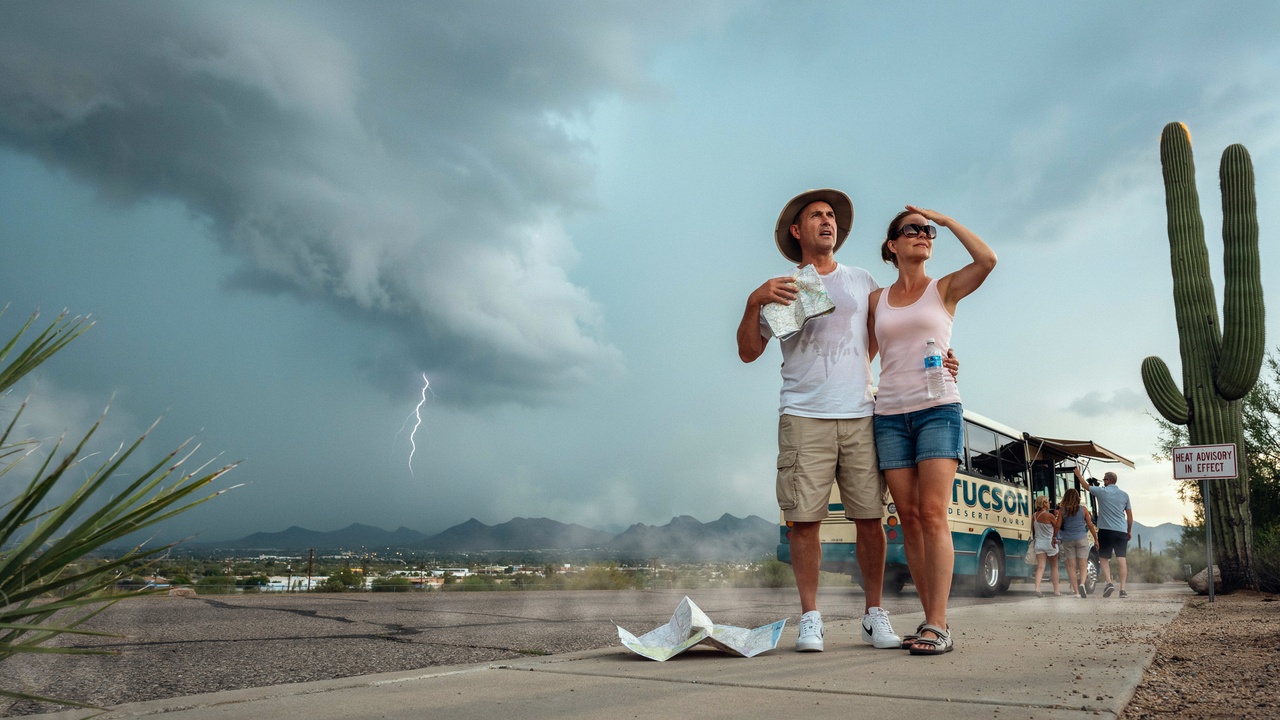
Image generated with Ai
Arizona travel is entering a new phase as Tucson’s extreme desert conditions, intense heat and seasonal monsoon storms reshape how visitors plan outdoor adventures across southern Arizona. The Tucson region has been experiencing temperatures around the upper 90s Fahrenheit, with sudden storm activity creating changing conditions for travellers exploring the Sonoran Desert. Despite these challenges, Tucson remains a powerful tourism destination known for its cactus landscapes, mountain scenery, cultural heritage and outdoor attractions. Visitors are increasingly being encouraged to prepare carefully, monitor weather conditions and adapt their itineraries while exploring desert trails, scenic drives and national parks. The changing climate environment is influencing travel habits, but Tucson’s unique natural character continues attracting adventure seekers from around the world.
Why Is Tucson Weather Becoming Important for Arizona Travel?
Tucson’s climate has always been one of its defining tourism features.
Advertisement
The city attracts travellers through its desert environment, clear skies, mountain landscapes and outdoor experiences.
However, rising temperatures and seasonal weather changes are becoming increasingly important considerations for visitors planning trips to southern Arizona.
Advertisement
September conditions in Tucson typically remain hot, with daytime temperatures often reaching the 90s Fahrenheit and occasionally climbing higher.
The region also experiences monsoon influences that can bring sudden thunderstorms, heavy rainfall, lightning and flash flooding risks.
For visitors unfamiliar with desert environments, weather conditions can change rapidly.
A morning hike under clear skies can become challenging later due to rising temperatures or afternoon storms.
Advertisement
Advertisement
This makes preparation increasingly important for travellers exploring southern Arizona.
How Are Heat Conditions Affecting Tucson Travel?
Extreme heat remains one of the biggest considerations for visitors travelling to Tucson.
The city’s desert environment creates high daytime temperatures, especially during late summer and early autumn.
Although outdoor attractions remain open, travellers are adjusting their schedules to avoid the most dangerous periods of the day.
Many visitors are now choosing:
early morning hikes,
sunset activities,
indoor cultural attractions,
and shorter outdoor excursions.
Popular destinations including Saguaro National Park, Sabino Canyon and desert trails continue attracting visitors, but heat safety has become a major part of responsible desert tourism.
Travellers are advised to carry sufficient water, wear protective clothing, use sunscreen and avoid prolonged exposure during peak afternoon temperatures.
How Are Monsoon Storms Affecting Tucson Tourism?
Tucson’s monsoon season creates a unique travel experience but also introduces new safety challenges.
Storm systems can develop quickly, bringing heavy rainfall, strong winds, lightning and temporary flooding.
Weather reports have highlighted periods of late-day thunderstorms during Tucson’s monsoon transition period.
For travellers, this means outdoor plans may require flexibility.
Mountain regions around Tucson can experience different weather conditions compared with the city itself.
Visitors travelling towards Mount Lemmon are advised to check weather updates before departure.
Storms can create:
slippery trails,
reduced visibility,
road hazards,
and flash flood risks.
Despite these challenges, monsoon storms also create dramatic desert scenery, colourful sunsets and temporary bursts of greenery across the Sonoran Desert.
Why Is Tucson Still a Popular Arizona Travel Destination?
Despite weather challenges, Tucson remains one of Arizona’s strongest tourism destinations.
The city combines nature, culture, history and food experiences that attract visitors throughout the year.
Travellers are drawn to attractions including Saguaro National Park, Arizona-Sonora Desert Museum, Mount Lemmon, Tucson Botanical Gardens, historic districts and local culinary experiences.
The desert landscape provides an experience unlike many other destinations in the United States.
Visitors can explore giant saguaro cactus forests, mountain viewpoints and unique wildlife habitats.
Tucson’s designation as a UNESCO City of Gastronomy has also strengthened its reputation among food-focused travellers.
The city combines Native American, Mexican and Southwestern influences, creating a distinctive cultural tourism experience.
How Does Saguaro National Park Influence Tucson Travel?
Saguaro National Park remains one of Tucson’s most recognisable attractions.
The park protects thousands of giant saguaro cactus plants and showcases the unique ecosystem of the Sonoran Desert.
Visitors travel to the park for scenic drives, wildlife viewing, photography, hiking and desert landscapes.
However, weather conditions play a major role in visitor safety.
During extreme heat periods, travellers are encouraged to plan carefully and avoid strenuous hikes during the hottest hours.
Seasonal storms can also affect trails and roads.
Responsible planning allows visitors to enjoy the park while protecting themselves and the fragile desert environment.
How Is Mount Lemmon Supporting Cooler Desert Travel Experiences?
Mount Lemmon provides an important alternative experience for Tucson visitors seeking cooler temperatures.
Located in the Santa Catalina Mountains, the area offers forests, scenic viewpoints and outdoor recreation.
The mountain destination attracts visitors for hiking, camping, cycling, wildlife observation and scenic drives.
Because temperatures can vary significantly between Tucson and higher elevations, Mount Lemmon provides travellers with a different climate experience.
However, mountain weather can change quickly.
Travellers should check conditions before driving into higher elevations, particularly during storm periods.
How Are Tourism Businesses Adapting to Weather Changes?
Tucson’s tourism industry is adapting to changing visitor expectations and evolving weather patterns.
Hotels, tour operators and attractions are increasingly promoting flexible experiences that work across different seasons.
Businesses are encouraging visitors to explore cultural attractions, culinary experiences, evening activities, museum visits and seasonal events.
This approach reduces dependence on midday outdoor activities during periods of extreme heat.
Tourism operators are also placing greater emphasis on visitor education, helping travellers understand desert conditions before beginning outdoor adventures.
What Should Travellers Know Before Visiting Tucson?
Visitors planning Arizona travel should prepare carefully for Tucson conditions.
Travellers should check weather forecasts, carry plenty of water, wear suitable clothing, protect themselves from sun exposure and monitor storm alerts.
Outdoor activities should be planned around weather conditions rather than fixed schedules.
Hikers should avoid isolated trails during extreme heat and inform others about planned routes.
Visitors should also understand that desert environments can be dangerous despite their beauty.
Preparation allows travellers to enjoy Tucson’s landscapes safely.
How Is Climate Influencing Future Arizona Travel?
Weather patterns are becoming increasingly important for destinations across the American Southwest.
Arizona’s tourism industry is adapting through sustainability efforts, visitor education and year-round travel strategies.
Travellers are increasingly considering temperature trends, seasonal conditions, water availability and environmental impacts when planning trips.
For Tucson, future tourism success will depend on balancing visitor demand with responsible management of desert resources.
The city’s natural beauty remains its greatest tourism asset, but protecting those landscapes requires careful planning.
What Is the Future Outlook for Tucson Travel?
Tucson remains positioned as a major Southwest tourism destination despite weather-related challenges.
Its combination of desert scenery, cultural heritage, outdoor adventure and culinary attractions continues attracting visitors from across the United States and beyond.
The changing climate environment means travellers will need to become more informed and flexible.
Tourism businesses, local authorities and visitors all play a role in creating safer and more sustainable travel experiences.
As travellers continue searching for unique landscapes and authentic destinations, Tucson’s desert character will remain a powerful attraction.
Conclusion
Arizona travel is entering a new era where weather awareness is becoming essential for exploring destinations such as Tucson and the Sonoran Desert. Rising temperatures and seasonal storms are changing how visitors plan outdoor adventures, but they have not reduced Tucson’s appeal as a world-class desert destination. With iconic attractions, cultural experiences and breathtaking landscapes, Tucson continues attracting travellers seeking authentic Southwest adventures. The future of desert tourism will depend on responsible planning, climate awareness and sustainable visitor practices. As travellers adapt to changing conditions, Tucson’s unique combination of nature, history and culture will continue defining Arizona’s tourism identity.
Advertisement
