
Bumpy Skies Ahead: How Emirates Is Leveraging AI to Enhance Passenger Safety and Predict Turbulence

Updated
Published
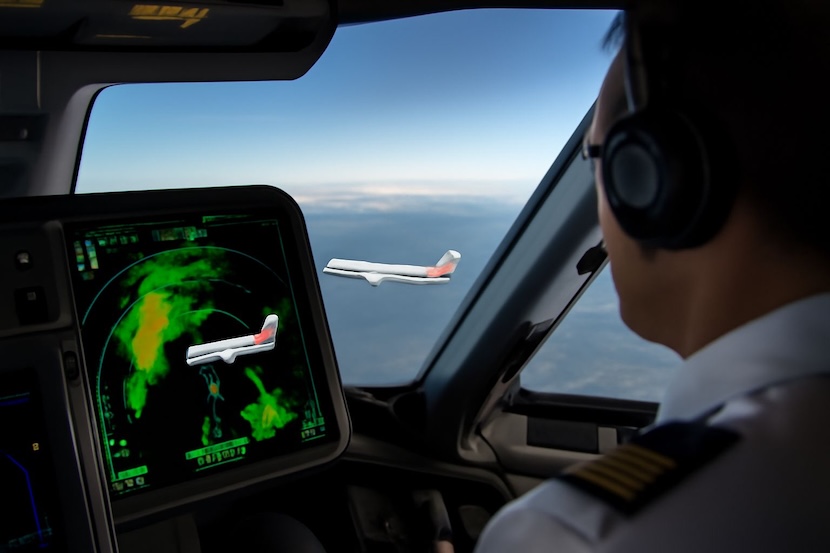
Image generated with Ai
The skies are getting bumpier, and climate change is to blame. Recent studies have shown that turbulence is becoming more frequent and severe due to rising global temperatures. Airlines, keen on improving passenger safety and comfort, are increasingly turning to innovative technologies like artificial intelligence (AI) to predict turbulence and minimize its effects. One airline at the forefront of this technological revolution is Emirates, which is using AI to reduce unexpected turbulence encounters on its flights.
Climate Change Makes Air Travel Rougher Than Ever
The connection between climate change and more turbulent skies is becoming clearer. A 2022 study by meteorologists at the University of Reading in the UK revealed that skies are now 55% bumpier than they were four decades ago. The study pointed out that the increased turbulence is linked to the warming of the atmosphere caused by rising carbon dioxide emissions. This change in air temperature is altering jet stream patterns, making turbulence, especially clear-air turbulence, more prevalent.
Advertisement
Advertisement
For global travelers, this means that flights over busy routes like the North Atlantic and parts of the United States, Europe, and the Middle East, are experiencing more severe turbulence. According to the research, severe turbulence along North Atlantic flight routes has increased by 55% between 1979 and 2020. This shift is significantly affecting the way airlines approach in-flight safety, as turbulence continues to pose a primary risk for non-fatal injuries to passengers and crew.
The Growing Need for Turbulence Prediction Technology
Turbulence, while rarely leading to fatalities, is responsible for injuries on board, particularly among passengers who are not seated with their seat belts fastened. While deaths from turbulence are rare, incidents do occur, and airlines are increasingly focusing on how to predict and manage them effectively.
Advertisement
Advertisement
Turbulence occurs due to sudden shifts in air currents, which often can’t be detected by traditional weather radar. The localized nature of turbulence means that weather models typically fail to predict it, leaving pilots to rely on experience and rudimentary forecasts. This unpredictability can result in sudden discomfort for passengers, and sometimes even injuries, particularly if the turbulence is severe.
In fact, the International Air Transport Association reports that turbulence-related injuries cost the aviation industry millions annually. This is where AI comes into play, offering a solution to enhance flight safety.
Advertisement
Advertisement
How Emirates Is Using AI to Predict Turbulence
Emirates, the largest airline in the Middle East, has begun integrating artificial intelligence into its flight operations to predict turbulence and improve passenger safety. The airline’s AI system uses machine learning algorithms, crowd-sourced turbulence data, and pilot reports to generate real-time turbulence forecasts. This data is then fed to pilots, who can anticipate turbulent areas along their flight path and adjust their routes accordingly.
Emirates’ AI technology provides “live, in-situ turbulence visualizations” in the cockpit. This helps pilots better understand and prepare for bumpy conditions, ultimately reducing the chances of unexpected turbulence encounters. The system offers a valuable advantage over traditional radar, which often fails to detect small-scale eddies that lead to sudden turbulence.
Captain Hassan Alhammadi, Emirates’ Divisional Senior Vice President of Flight Operations, explained that the airline has already seen a significant reduction in unexpected severe turbulence. While the technology is still in its early stages, the results have been promising, with fewer disruptive in-flight encounters for passengers.
What Does This Mean for Travelers?
For travelers, the introduction of AI-powered turbulence prediction is a game-changer. Emirates’ AI system gives passengers a smoother flight experience by allowing pilots to navigate around potential turbulence hotspots. While it is not possible to guarantee turbulence-free flights, the airline’s proactive approach to managing these conditions shows that AI can play a crucial role in making air travel more comfortable.
For those who travel frequently or are uneasy about turbulence, this new technology offers peace of mind. With AI providing real-time data on turbulence, pilots can make better-informed decisions to avoid rough patches, ensuring a safer, more comfortable journey for everyone on board.
The Future of AI in Air Travel: More Comfort, Less Turbulence
As AI technology continues to evolve, the potential benefits for the aviation industry are vast. Airlines around the world are expected to adopt similar systems to improve turbulence prediction, reduce flight disruptions, and enhance overall safety. Emirates, with its early success, is leading the charge in this area, setting an example for others to follow.
Advertisement
Advertisement
For travelers, this means that the future of air travel could be less bumpy and far more predictable. While climate change continues to affect the skies, technological innovations like AI offer a beacon of hope for making air travel smoother and safer. As more airlines adopt these advancements, passengers can expect a more comfortable and enjoyable flying experience.
Conclusion: A New Era of Safe and Comfortable Flights
The combination of AI and aviation has the potential to revolutionize the way airlines handle turbulence. Emirates’ successful implementation of AI to predict turbulence is an important step towards safer, more comfortable flights. As climate change continues to impact flight patterns and weather conditions, this technology is likely to become standard practice across the industry. For global travelers, this means fewer bumps and a smoother ride when flying on advanced aircraft.
Advertisement
