
Nepal Is Rethinking Its Entire Approach To Travel And Here Is The Essential Guide You Need To Read Before Booking

Published
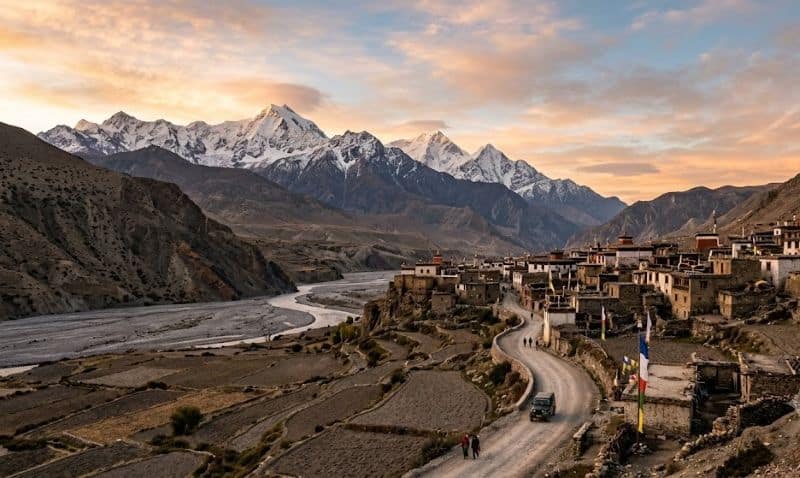
The international travel landscape is currently undergoing a profound transformation, as destinations across the globe grapple with the complex pressures of rapid growth. Nowhere is this evolution more visible or more critical than within the breathtaking, mountainous terrain of Nepal. When one carefully observes the current state of the nation’s hospitality sector, it becomes increasingly apparent that the country is not currently facing a challenge with its visitors, but rather it is confronting a significant crisis concerning its underlying framework for managing tourism. International discourse frequently fixates upon raw arrival statistics, yet the core reality remains far more intricate than simple digits suggest.
The industry often remains obsessed with the sheer volume of arrivals, which frequently triggers unintended negative consequences, such as acute overcrowding at iconic landmarks and immense environmental stress on fragile ecosystems. By prioritizing quantity over quality, the sector risks eroding the very treasures that draw explorers to Kathmandu and beyond.
Embracing a Future Defined by Quality Over Quantity for Global Travelers and Local Communities
The global travel sector stands at a pivotal crossroads, where the traditional pursuit of inflated statistical data must yield to the implementation of high-value, sustainable models. These frameworks serve to genuinely enrich local communities while simultaneously bolstering the economic resilience of Nepal. When local authorities and operators transition toward models that prioritize quality, they ensure that the constant arrival of international guests contributes positively to the preservation of Himalayan cultural heritage, rather than systematically wearing it down. Travelers who intentionally choose destinations committed to this higher standard engage in a more equitable and meaningful exchange, supporting long-term ecological and cultural balance.
Advertisement
Advertisement
This necessary evolution is fundamentally essential for the future of global travel. It demonstrates to industry stakeholders across the globe that true, lasting success is measured by the depth and quality of the experiences provided to guests, rather than the raw number of individuals passing through a specific checkpoint. By fostering environments that reward intentionality, Nepal has the unique opportunity to become a blueprint for other nations struggling with similar dilemmas. This shift encourages a more sophisticated approach to destination management, ensuring that the magnificent landscapes of Pokhara, the serene trails of the Annapurna region, and the historic streets of Bhaktapur remain pristine and vibrant for future generations to enjoy.
The Imperative for Integrated Master Planning and Robust Infrastructure Enhancement
Advertisement
Advertisement
A substantial portion of the current difficulty arises from an over-reliance on reactive, short-term policies instead of proactive, visionary leadership. Nepal currently struggles with the absence of a unified, long-term master plan that might seamlessly integrate essential infrastructure development with the rigorous protection of its vast natural beauty and historic cultural identity. In the absence of such a comprehensive framework, critical decisions often lack the foresight required to mitigate the mounting pressures of modern travel. This lack of strategic coordination frequently results in a fragmented experience for both the gracious host nation and the international visitor, ultimately leading to significant missed opportunities for meaningful economic growth and sustainable stability.
Furthermore, the country encounters substantial, undeniable hurdles regarding the overall quality of its existing infrastructure, which directly hinders the scalability of its tourism potential. From the persistent complexities involved in transportation and inter-regional connectivity to the critical, unmet necessity for advanced waste management systems, these technical deficiencies prevent the nation from hosting travelers in a manner that is consistently modern and responsible. If the industry is to sustain its long-term growth, it must prioritize systemic, structural improvements that directly address these foundational gaps. For the global traveler, this transition implies that future expeditions will hopefully become significantly smoother, more reliable, and far more respectful of the local surroundings, supported by better-planned and more effectively managed public and private investments across the Himalayas.
Advertisement
Advertisement
Expanding Horizons: The Strategic Value of Decentralizing Tourism Beyond Popular Hubs
There exists immense, untapped potential within the diverse regions of Nepal situated far outside the popular, congested hubs that currently bear the heaviest burden of over-tourism. By consciously choosing to decentralize tourism efforts and actively promoting a wide array of diverse, off-the-beaten-path experiences, the nation could effectively distribute its economic benefits more equitably across its entire geography. This strategic approach encourages modern travelers to explore well beyond the well-trodden trails, providing them with a much more authentic immersion into local life while simultaneously providing much-needed relief to historically congested landmarks and fragile mountain corridors.
By spreading the impact of tourism, the nation does more than just reduce strain on popular spots; it creates a more robust economic network that reaches rural communities that have historically been left behind. This decentralized model ensures that the benefits of the travel industry are felt in the remote villages of the Mustang region or the hidden valleys near Langtang, rather than being concentrated solely in urban centers. This strategy not only supports rural livelihoods but also fosters a deeper, more personal connection between the visitor and the destination, making the travel experience more rewarding and less extractive.
Elevating Hospitality Standards: A New Era of Ethical and Responsible Exploration
Advertisement
Advertisement
Ultimately, this assessment serves as a bold, necessary call to action for all stakeholders, government policymakers, and independent private operators to fundamentally recalibrate their priorities. The primary objective is to cultivate a sector defined by elevated hospitality standards and deeply embedded, responsible tourism practices that protect the nation’s integrity. By adopting these measures, the country can successfully ensure the long-term viability of its industry, proving that tourism can serve as a consistent force for positive development. For travelers worldwide, these comprehensive reforms promise a future where their journeys are defined by genuine quality, long-term sustainability, and the profound, unforgettable joy of discovering hidden gems that remain carefully preserved for many years to come.
This vital evolution represents the very essence of the contemporary, conscientious travel experience. It is a commitment to the idea that the traveler’s footprint should be a positive one, leaving behind support and preservation rather than depletion. As Nepal navigates these changes, it sets a global standard for how nations can balance their rich cultural narratives with the realities of a modern, interconnected world. This is not just a local story; it is a global imperative that redefines how we interact with the world, ensuring that our wanderlust contributes to the flourishing of our planet rather than its gradual decline. The future of travel rests on our ability to value the depth of a journey over the width of our travels.
Enhancing Environmental Stewardship and Cultural Preservation in Fragile Alpine Ecosystems
Preserving the delicate ecological balance of Nepal requires a commitment to stringent environmental stewardship. As visitor numbers fluctuate, the pressure on mountain regions, particularly at high altitudes, necessitates a rigorous approach to waste management and resource conservation. Leaders must prioritize systems that protect the purity of the Himalayan waterways and the integrity of the soil. This focus on sustainability is not a hindrance to growth; rather, it is the bedrock upon which high-quality, long-term tourism rests. When ecosystems are protected, the intrinsic value of the destination increases, attracting travelers who are willing to respect and contribute to that preservation.
Cultural preservation is equally vital to the survival of the nation’s unique identity. The diverse ethnic groups living in regions like the Khumbu or the Manang valleys maintain traditions that have endured for centuries. Modern tourism should not dilute these customs; instead, it should act as a platform for their celebration and protection. By implementing policies that prioritize community-led initiatives, the industry ensures that the profits and the preservation efforts remain in the hands of the local people. This authentic engagement allows travelers to gain a deeper understanding of the local heritage, fostering a respectful relationship that benefits everyone involved.
Strengthening Global Partnerships Through Intentional and Ethical Destination Management Policies
Advertisement
Advertisement
The path forward for Nepal involves fostering strong, transparent partnerships between the public sector, private industry, and international visitors. By establishing clear guidelines that emphasize ethical behavior and environmental responsibility, the nation can attract a demographic of travelers who prioritize sustainability. This collaboration is the engine of change; it shifts the focus from a transactional relationship to one based on mutual respect and shared goals. When international standards are combined with local expertise, the resulting management practices provide a stable and inviting environment that stands the test of time.
Looking ahead, the commitment to these systemic reforms will determine the nation’s trajectory in the global market. As the world becomes increasingly aware of the climate crisis and the importance of ethical travel, a nation that demonstrates resilience and integrity will naturally become a preferred destination. The global traveler is evolving, seeking out places that align with their values of conservation and social responsibility. By continuing to refine its approach to tourism management, Nepal positions itself not just as a location to visit, but as a leader in the global movement toward a more sustainable and conscientious future. This ongoing dedication will ensure that the majesty of the peaks and the warmth of the culture endure as a testament to thoughtful, deliberate development.
Advertisement
