
Can Hidden Hotel Paris Set a New Benchmark for Boutique Sustainability in France’s Hospitality Industry?

Published
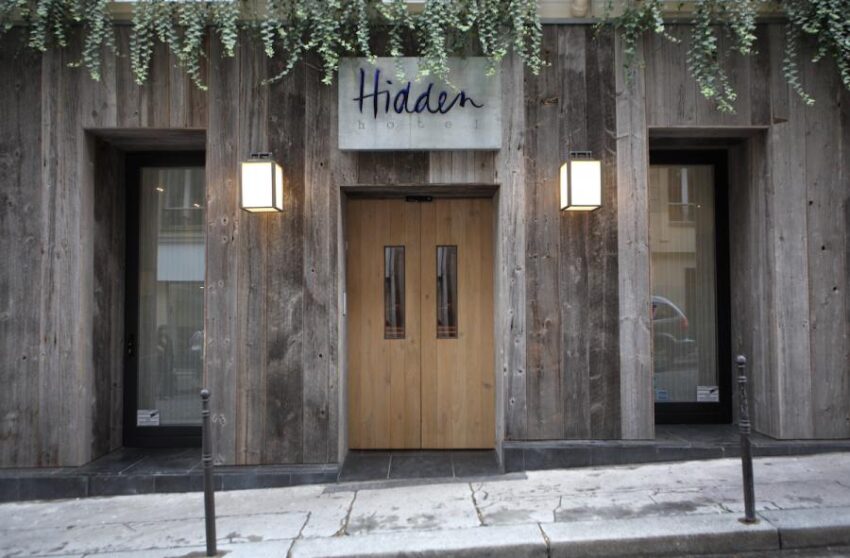 Image generated with Ai
In 2024, Hidden Hotel Paris introduced several innovative energy and water-saving measures to reduce its environmental footprint. Key initiatives include:
- 100% Renewable Energy: The hotel now operates on 100% green energy, thanks to a new renewable energy contract.
- Smart Energy Management: Motion sensors have been installed in common areas, kitchens, meeting rooms, and storage spaces to optimize energy use and reduce wastage.
- Energy-Efficient Lighting: The property now utilizes LED lights and low-wattage bulbs, complemented by the use of candles to create a warm ambiance in the evenings.
- Water Monitoring and Reduction: Monthly water and energy usage monitoring has been implemented to track and minimize consumption, ensuring resource efficiency.
These advancements reflect the hotel’s ongoing commitment to sustainable resource management, aligning with the growing eco-tourism trend in Paris and beyond.
Advertisement
Advertisement
Sustainable Operations: A Digital-First Approach
Over the past year, Hidden Hotel Paris has embraced a fully digital approach to streamline operations and minimize waste. These improvements include:
- Paperless Check-ins and Documentation: The hotel has eliminated paper usage by transitioning to digital check-ins, electronic housekeeping logs, and QR code menus.
- Eco-Friendly Irrigation System: A modern water-efficient irrigation system has been installed, significantly reducing water waste in landscaping and garden maintenance.
These tech-driven sustainability efforts not only enhance guest convenience but also contribute to waste reduction and environmental preservation.
Advertisement
Advertisement
Waste Management: Recycling and Upcycling Initiatives
A comprehensive waste management plan is central to Hidden Hotel Paris’ sustainability strategy. The hotel actively engages in:
- Recycling Programs: Materials such as packaging, glass, organic waste, and residual waste are systematically sorted and recycled.
- Reuse of Materials:
- Napkins and toilet paper are sourced from eco-certified recycled materials.
- Soap remnants, coffee grounds, and wine corks are collected and repurposed through various sustainable initiatives.
- Preloved furniture, such as the wooden bookcase in the lobby, highlights the hotel’s commitment to reusing and upcycling functional décor.
These efforts are designed to extend the lifecycle of everyday items, aligning with the hotel’s zero-waste philosophy.
Advertisement
Advertisement
Community Engagement and Green Partnerships
Beyond its internal sustainability efforts, Hidden Hotel Paris actively collaborates with organizations promoting environmental and social impact. Key partnerships include:
- Biodiversity for Peace: A program that supports ecological conservation and restoration projects.
- Sapocycle: An initiative that collects leftover soap from hotels and transforms them into new hygiene products for underserved communities.
These partnerships highlight the hotel’s commitment to corporate social responsibility (CSR), ensuring that sustainable hospitality extends beyond its premises.
Advertisement
Advertisement
Educating Guests: Encouraging Sustainable Travel Practices
As part of its mission to raise awareness among travelers, Hidden Hotel Paris has launched a new Eco-Responsible Hotel module on its concierge platform, LoungeUp. This digital tool:
- Educates guests about the hotel’s eco-friendly practices.
- Offers sustainable travel tips and eco-conscious itineraries in Paris.
- Promotes the hotel’s partnerships with green organizations.
This initiative reflects a growing trend in eco-tourism, where hotels actively engage visitors in sustainability efforts, ensuring a more responsible travel experience.
The Global Impact of Green Hospitality in Paris
1. Paris Leading the Way in Sustainable Tourism
Paris has been at the forefront of eco-friendly tourism, with hotels, restaurants, and attractions increasingly adopting sustainable initiatives. Hidden Hotel Paris contributes to this movement by:
- Setting an example for boutique hotels looking to integrate green practices.
- Aligning with Paris’ broader sustainability goals, which include reducing carbon emissions and promoting responsible tourism.
2. Changing Travel Preferences Toward Eco-Conscious Stays
As travelers become more environmentally aware, the demand for sustainable luxury hotels continues to grow. The Green Globe certification positions Hidden Hotel Paris as a top choice for eco-conscious visitors seeking an authentic and responsible stay in the city.
Advertisement
Advertisement
3. Future of Sustainable Hospitality in Europe
With Hidden Hotel Paris leading the charge, other hotels across Europe are likely to:
- Adopt similar digital sustainability practices to reduce paper waste.
- Implement energy-efficient solutions to lower their carbon footprint.
- Expand partnerships with social and environmental organizations to enhance community engagement.
Final Thoughts: A Model for Sustainable Luxury in Paris
With its third Green Globe recertification, Hidden Hotel Paris continues to set an example for sustainable hospitality in France. Through its energy-saving initiatives, waste management efforts, digital innovations, and community partnerships, the hotel proves that luxury and environmental responsibility can coexist.
As eco-conscious tourism continues to grow, Hidden Hotel Paris stands as a beacon for responsible travel, encouraging guests to immerse themselves in a sustainable Parisian experience while enjoying the highest standards of comfort and service.
Advertisement
