

India Festive Travel Surges 50% as Zostel Reveals Rise in Short Trips and Himalayan Escapes
Published
India Festive Travel Surges 50% as Zostel Reveals Rise in Short Trips and Himalayan Escapes, highlighting changing holiday preferences among young travellers. The Zostel Festive Travel Pulse 2026 shows growing demand for spontaneous getaways, repeat bookings and emerging mountain destinations, with festive reservations already significantly ahead of last year.
India’s Festive Travel Season Moves Towards Multiple Short Holidays
India’s festive tourism market is witnessing a change as travellers increasingly choose several short holidays instead of one extended annual break. The Zostel Festive Travel Pulse 2026, released on 9 October, highlights how younger travellers are reshaping domestic tourism through spontaneous bookings, weekend escapes and experience-led journeys.
According to the report, 23% of Zostel travellers made multiple bookings between October and December 2025. Nearly one in ten visited at least two destinations during the same quarter, reflecting growing interest in exploring different locations throughout the festive season.
The trend appears to be strengthening in 2026. Zostel reports that bookings for October to December are approximately 50% higher than at the equivalent point last year, while November bookings have increased by 43%.
Advertisement
Advertisement
These figures represent bookings recorded by Zostel rather than the entire Indian tourism market.
Short Holidays and Last-Minute Bookings Reshape Travel Planning
One of the report’s most significant findings concerns the duration of festive holidays. The average stay lasted just two nights, indicating a preference for shorter, more frequent journeys.
Advertisement
Advertisement
Booking behaviour also reveals considerable spontaneity. Around 30% of travellers reserved accommodation on their check-in day, while 60% booked within three days of arrival.
Approximately 70% completed their reservations within a week, and fewer than 10% booked more than a month in advance.
This pattern suggests that flexible travel arrangements are becoming increasingly important for accommodation providers, particularly during weekends and public holidays.
For tourism businesses, shorter booking windows can create operational challenges. However, they also present opportunities to attract travellers through flexible availability, convenient booking platforms and affordable accommodation.
Hampi, Gokarna and Varkala Lead Festive Tourism Demand
Established leisure destinations continue to attract substantial interest.
Hampi, Gokarna, Varkala, Rishikesh and Jaipur are among Zostel’s most-booked festive destinations for 2026 so far.
Advertisement
Advertisement
These locations offer different experiences, ranging from heritage tourism and coastal holidays to wellness retreats and outdoor adventures.
Hampi remains popular for its historic monuments and distinctive landscape, while Gokarna and Varkala appeal to travellers seeking beaches and relaxed coastal experiences.
Rishikesh attracts visitors interested in adventure activities, yoga and spirituality. Jaipur continues to benefit from its heritage attractions, traditional markets and cultural experiences.
Their popularity demonstrates how established destinations remain important even as travellers explore less conventional holiday locations.
Kinnaur Emerges as a Fast-Growing Himalayan Travel Destination
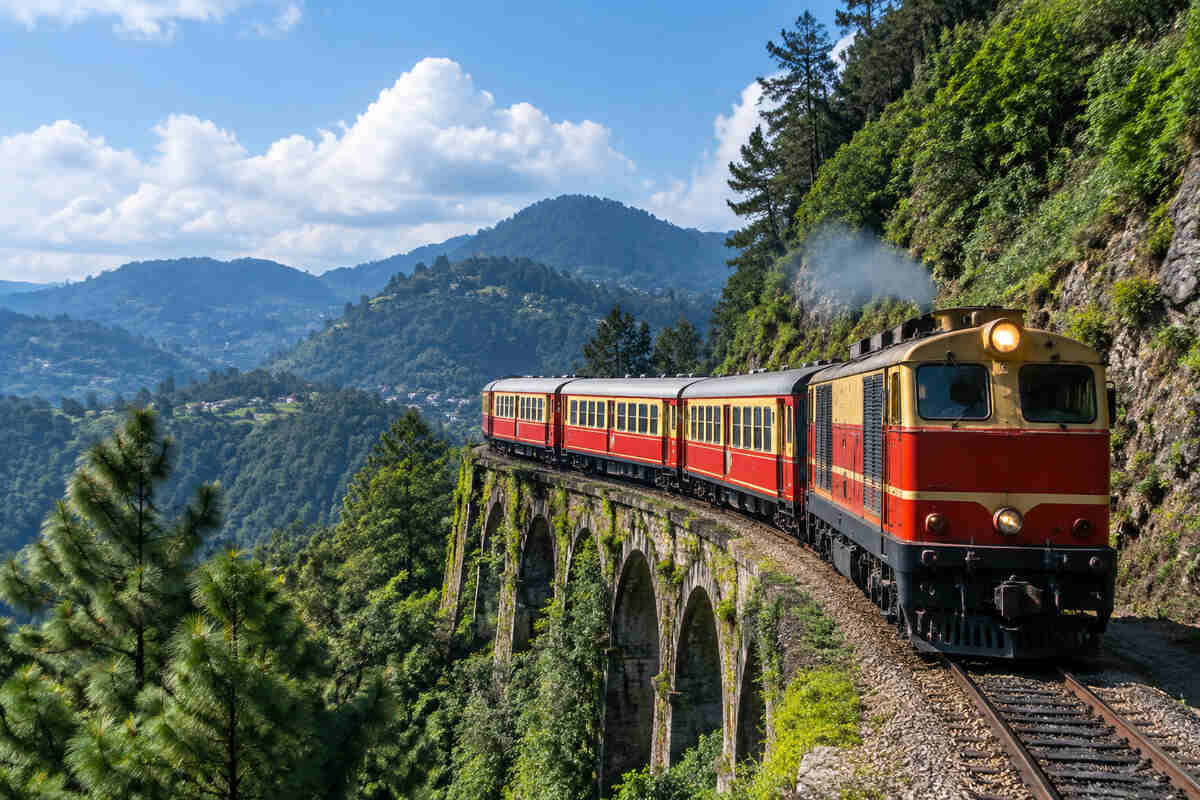
The strongest destination growth is occurring in the Himalayan region, particularly Himachal Pradesh.
Sangla has recorded three times its previous year’s festive bookings, followed by Kalpa at 2.9 times and Shangarh at 2.8 times.
Advertisement
Advertisement
Chitkul and Shoja have each registered 2.6 times their earlier booking volumes.
Three of these five destinations — Sangla, Kalpa and Chitkul — are located in Kinnaur, making the district a notable emerging market within Zostel’s festive booking data.
The growth highlights increasing interest in mountain landscapes, quieter surroundings and smaller destinations beyond traditional tourism centres.
However, travellers visiting high-altitude areas during the later festive months should consider weather conditions, road accessibility and accommodation availability before departure.
Young and Solo Travellers Drive India’s Festive Tourism
Younger travellers account for a substantial share of festive bookings.
Nearly 70% of Zostel’s festive guests were under 30, with the 25–29 age group representing 44% of travellers.
Advertisement
Advertisement
Solo travel was particularly prominent, accounting for more than half of bookings. Approximately three in ten bookings involved pairs, while around one in seven involved groups of three or more.
Women represented more than 20% of guests.
Delhi NCR, Mumbai, Bengaluru, Pune and Hyderabad were the leading source markets, demonstrating the importance of major urban centres in generating demand for domestic leisure travel.
These findings underline the commercial significance of independent travellers and young professionals for India’s hostel and experience-led accommodation sectors.
Christmas and New Year Remain Important Booking Periods
Festive demand is spread across the quarter, although certain dates continue to generate stronger booking activity.
During 2025, the Dussehra and Gandhi Jayanti long weekend produced October’s booking peak.
Advertisement
Advertisement
November showed a different pattern, with Saturdays consistently attracting strong demand rather than one dominant holiday period.
The Christmas-to-New-Year week was the busiest period of the quarter. Christmas Day recorded the highest number of check-ins, approximately 40% above an average day.
Zostel’s organised travel division, Zo Trips, also hosted more than 1,500 travellers across 116 batches during the festive quarter.
This activity indicates demand for organised experiences alongside independent accommodation bookings.
What the Findings Mean for India’s Travel Industry
The Zostel findings suggest that domestic tourism operators may benefit from adapting to shorter stays, repeat visitors and flexible booking behaviour.
Hostels, boutique accommodation providers, local transport businesses and experience operators could find opportunities in destinations attracting younger travellers.
Advertisement
Advertisement
Dharamveer Singh Chouhan, Co-founder of Zostel and Zo World and Group CEO of Zo World, described the festive period as increasingly defined by multiple journeys rather than a single holiday.
With bookings already ahead of last year’s comparable level, the report provides an early indication of continued demand for flexible domestic travel during the final quarter of 2026.
Advertisement
