
Sicily Brings Homer’s Odyssey to Life at Mount Etna with Myth, Nature and Immersive Technology

Published
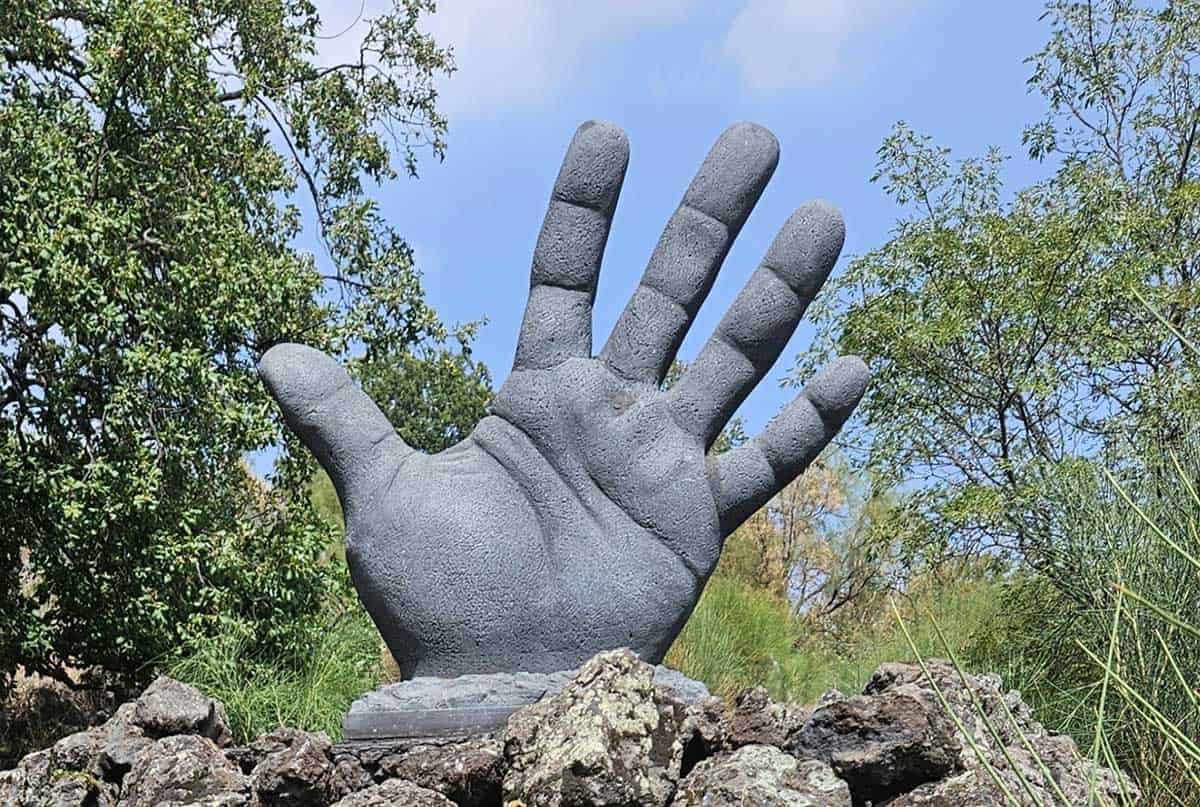
Sicily brings Homer’s Odyssey to life at Mount Etna with a new experience blending myth, nature and immersive technology, as visitors follow Ulysses from ancient storytelling to interactive Polyphemus.
Sicily is bringing Homer’s Odyssey to life at Mount Etna through a new visitor experience combining myth, nature and immersive technology. The Odyssey experience at Parco dei Miti in Zafferana Etnea takes visitors into the world of Ulysses, connecting ancient storytelling with the volcanic landscape of Sicily.
Advertisement
Advertisement
The journey begins with an aedo, before moving through mythological installations, a 360-degree immersive film and an interactive encounter with Polyphemus.
The experience highlights Sicily’s long association with Homeric traditions while presenting them through contemporary technology. Every Sunday in October, visitors can explore this journey from 10 am.
Advertisement
Advertisement
Sicily Brings The Odyssey To Life At Mount Etna
Sicily has long occupied a distinctive place in Mediterranean mythology, with its volcanic landscapes, surrounding seas and ancient Greek heritage providing fertile ground for stories associated with Homer’s Odyssey. A new experience at Parco dei Miti in Zafferana Etnea, near Mount Etna, is now bringing those connections together in a visitor journey designed around storytelling, landscape and technology.
Advertisement
Advertisement
Called “Odyssey in Sicily”, the experience will be presented every Sunday in October, beginning at 10 am. Rather than treating Homer’s epic as a static historical subject, the project creates a sequence through which visitors can encounter its themes using spoken narration, outdoor installations, immersive cinema and interactive technology.
How does the Odyssey experience connect Sicily with Homer’s epic?
The connection between Sicily and the Odyssey is rooted in centuries of interpretation rather than a confirmed geographical map of Homer’s poem. The ancient text does not provide modern coordinates, yet later traditions have associated several locations in the story with Sicily and the wider Mediterranean.
The land of the Cyclopes, the island of the Sun, Scylla and Charybdis and the Aeolian Islands have all contributed to the island’s enduring relationship with the Homeric imagination. Volcanic terrain and ancient Greek settlement have further strengthened this cultural association.
The new experience uses that relationship as its starting point without presenting the geographical identifications as established fact.
What can visitors experience at Parco dei Miti?
The journey takes place within Parco dei Miti, a nature-based attraction dedicated to classical mythology. Located within the landscape of Etna Park, it features installations made from lava stone, allowing mythology and the volcanic environment to appear together.
Advertisement
Advertisement
Visitors encounter attractions including the Cave of Polyphemus, Trojan Horse, Ship of Ulysses, Labyrinth with the Minotaur and Hades with Tiresias.
The setting is particularly relevant to the Cyclops story. According to Ettore Barbagallo, who leads the Etna Today museum complex, ancient and later traditions connected the Cyclopes with the Etna area and volcanic landscapes.
This distinction is important because the Cyclopes of earlier mythology and Polyphemus in Homer’s Odyssey are not identical figures. In Book IX of the epic, Polyphemus is a giant shepherd who traps Ulysses and his companions inside his cave.
How does technology transform the ancient story?
The new journey is structured across four stages, moving progressively from traditional oral storytelling to digital interaction.
The experience begins with an aedo’s prologue, introducing visitors to Homeric poetry and focusing on episodes associated with Sicily. The group then continues through the park on a guided visit of its mythological installations.
Advertisement
Advertisement
The third stage moves indoors into an immersive dome for Thalassa, the Sea of the Odyssey. The 360-degree film places visitors from the perspective of someone standing at the front of Ulysses’ ship, creating a visual interpretation of the voyage.
The final stage takes place in an interactive theatre, where Polyphemus communicates directly with the audience. This combination of physical scenery, narration, cinema and digital interaction gives the ancient story a contemporary visitor-experience format.
Why is Mount Etna central to the experience?
Mount Etna provides more than a scenic setting. Its volcanic identity is closely connected with the mythology surrounding Hephaestus, the Cyclopes and their legendary forges.
Parco dei Miti uses lava-stone installations and the surrounding natural environment to create a physical connection between the stories and the landscape. Visitors therefore encounter mythology while moving through a place that itself has influenced centuries of cultural imagination.
For tourism, this approach also illustrates how destinations can reinterpret established heritage through experiential formats rather than relying exclusively on conventional museums or guided interpretation.
Advertisement
Advertisement
What does the new Odyssey journey mean for Sicily tourism?
The Odyssey in Sicily experience adds another cultural attraction to the Etna area by connecting literary heritage with outdoor tourism and digital interpretation. It also reflects a wider tourism trend towards experiences in which visitors participate in a narrative rather than simply observe individual attractions.
For Sicily, the project provides a way to revisit a familiar part of its cultural identity while introducing technology into the storytelling process. The result is an experience that connects Homeric tradition, volcanic geography and contemporary visitor engagement.
The reason for creating Odyssey in Sicily is the enduring relationship between Homeric mythology and the landscapes of Sicily. The answer is a new experience at Parco dei Miti that combines an aedo’s storytelling, guided exploration, immersive 360-degree film and interactive theatre. The cause is the opportunity to interpret an ancient narrative through the physical environment of Mount Etna and modern visitor technology. Visitors can therefore experience stories linked to Ulysses, Polyphemus and the Cyclopes while moving through a landscape shaped by volcanic geology. The project demonstrates how cultural tourism can combine literature, mythology, nature and technology without separating heritage from place.
“Sicily has created a compelling bridge between its extraordinary cultural heritage and the expectations of today’s travellers. Bringing the Odyssey into the landscape of Mount Etna through storytelling, immersive technology and interactive experiences gives visitors a fresh way to understand the island’s connection with classical mythology. What makes this initiative particularly interesting for the tourism sector is its combination of nature, history, literature and innovation in one experience. The use of an aedo, lava-stone installations, 360-degree cinema and interactive theatre demonstrates how destinations can reinterpret ancient narratives without losing their cultural context. Projects such as this can add depth to destination experiences and encourage travellers to explore Sicily beyond its traditional attractions. The Odyssey in Sicily concept therefore represents an engaging example of how heritage storytelling can evolve for a new generation of international visitors.” Anup Kumar Keshan, Editor-in-Chief, TTW
Odyssey in Sicily offers visitors a contemporary route into one of the Mediterranean’s most enduring literary traditions. At Parco dei Miti in Zafferana Etnea, the journey brings together the voice of the aedo, mythological installations, the volcanic landscape of Mount Etna, immersive cinema and interactive theatre. Its interpretation of Sicily’s relationship with Homer is presented as a long-standing cultural tradition rather than a definitive geographical reading of the Odyssey. That distinction gives the experience a clear historical context while allowing technology to expand the storytelling. The four-stage format also creates a progression from oral tradition to digital participation, with Polyphemus providing the final interactive encounter. Running every Sunday in October from 10 am, the experience adds another cultural dimension to Etna tourism. It demonstrates how ancient stories can be reinterpreted for modern travellers while retaining their connection to landscape, heritage and Mediterranean identity.
Advertisement
