
US Advances With Canada, Germany and More as Mauritius Travel Faces Fresh Safety Questions

Updated
Published
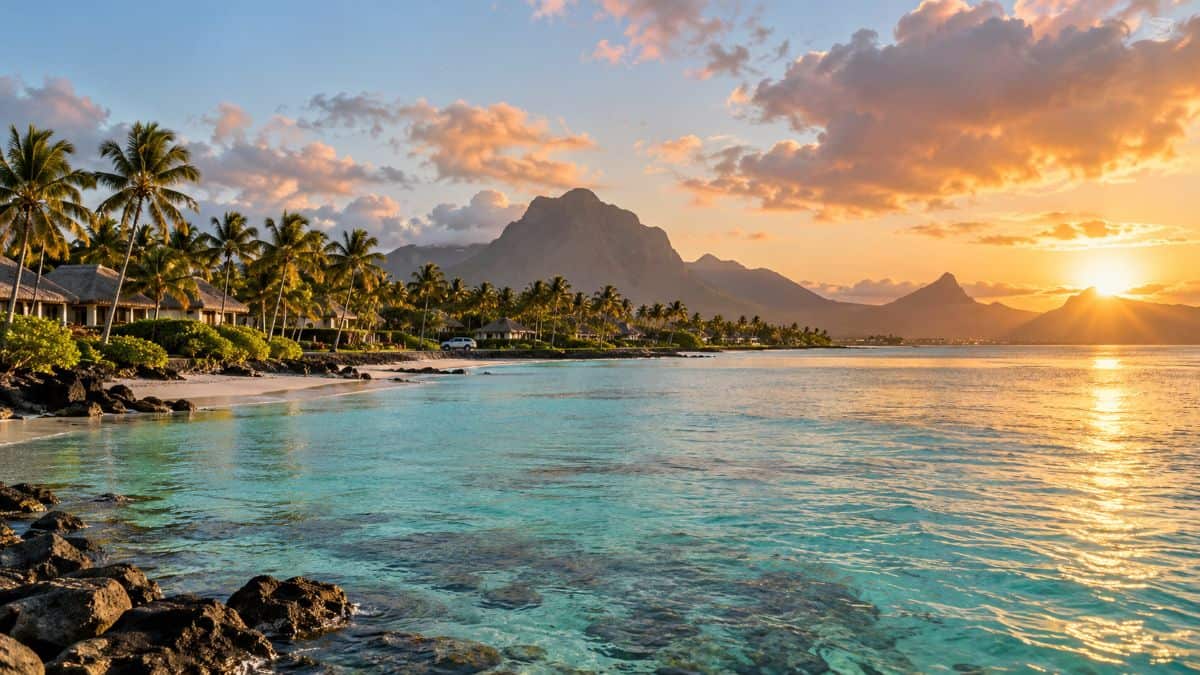
The US Advances with Canada, Germany and more governments as Mauritius travel faces fresh safety questions after the island’s overnight curfew ended. The country remains open to visitors, and airport travel continues. However, recent local unrest has made travellers, airlines, hotels and tour operators watch conditions closely. The US continues to advise increased caution because of crime, while Canada, Germany, the United Kingdom and France have highlighted the risk of demonstrations, road closures and transport disruption. Therefore, visitors should avoid public gatherings, follow local authority instructions and allow extra time for journeys. Mauritius still offers its celebrated beaches, lagoons, resorts and cultural experiences. Yet holiday plans now require closer attention to local updates. Travellers should confirm transfers with hotels, protect valuables and monitor official advice before moving between regions. The situation remains localised, but careful planning will help visitors enjoy the destination safely.
Curfew Ends but Local Disruption Remains Possible
The curfew was a short-term response to unrest. It did not mean Mauritius closed its borders. Travellers heading to or from Sir Seewoosagur Ramgoolam International Airport were allowed to travel during the restriction. Travel linked to Port Louis harbour was also permitted.
The end of the curfew is an important sign for tourism. However, it does not mean that every risk has disappeared. Demonstrations can happen with little notice. Roads can close. Public transport can face delays. Government services can also be interrupted in affected areas.
Visitors should not travel to protest sites to take photographs or watch events. They should stay away from crowds. Even a peaceful gathering can change quickly. This is especially important for families, solo travellers and visitors who do not know the island well.
Advertisement
Advertisement
Hotels, tour operators and transport providers may offer practical help. Travellers should ask their hotel about local roads before beginning a day trip. They should also keep their airline, travel insurance and accommodation details easy to reach.
United States Keeps Mauritius at Level 2
The United States continues to list Mauritius at Level 2, meaning American travellers should exercise increased caution. The US advice is based mainly on crime. It does not yet include a separate formal update on the recent unrest.
Advertisement
Advertisement
The US government warns travellers about theft in busy shopping areas, beaches, tourist places and near cash machines. It also highlights more serious crime, including break-ins and violent attacks. Women travelling alone are advised to take extra care because cases of harassment have been reported.
American visitors are told not to show expensive watches, jewellery or large amounts of cash. They should not resist if they are robbed. They should use care when walking or driving at night. The advice also asks visitors to avoid demonstrations and public gatherings.
The US message is important because it shows that the current travel concern is not only about the recent protests. Crime remains a wider safety issue for travellers. Good planning can reduce risk. Visitors should use hotel safes, book registered transport and keep their belongings close in crowded places.
United Kingdom and Canada Flag Protest Risks
The United Kingdom updated its Mauritius advice on 13 October. It said that demonstrations and community unrest had occurred in parts of the country after the police shooting. British officials warned that further protests could lead to road closures, transport disruption and interruptions to public services.
The UK also noted the curfew that ran overnight on 13 and 14 October. Its advice remains simple. Avoid demonstrations. Follow instructions from local authorities. Check local news. Plan for possible delays.
Canada has kept its broad advice at “take normal security precautions” for Mauritius. However, it added a specific notice about the demonstrations and curfew. Canadian travellers are advised to avoid large gatherings, monitor local media and follow the directions of local authorities.
Advertisement
Advertisement
This difference matters. Canada has not raised its overall national risk level. But it recognises that the situation can affect everyday travel. A visitor may find that a planned route is closed or that a bus service is delayed. Flexibility is important.
France and Germany Urge Extra Care
France has issued a new notice asking travellers to remain vigilant. French officials said spontaneous demonstrations and social unrest had occurred in some areas. They warned about possible road closures, transport disruption and problems with public services.
France advises travellers to avoid public gatherings and respect official instructions. This includes any future curfews if they are introduced.
Germany has also reported on the unrest. Its advice noted that roadblocks, looting and property damage had taken place in several areas. German officials said the police considered the situation under control and that roads were mostly passable again.However, Germany also warns that conditions can change fast. This is useful advice for all visitors. A normal holiday plan may need to change in a few minutes if a road closes or a protest begins nearby.
Australia Maintains Normal Precautions
Australia still advises travellers to exercise normal safety precautions in Mauritius. Its official guidance says that civil unrest is rare, but protests can happen. It warns that large public events can turn violent and tells travellers to avoid them.
Australia also reminds visitors about petty crime, taxi scams and cyclone risks. The cyclone season usually runs from November to May. Heavy rain, strong winds and flooding can affect road travel, power and water supplies. Visitors travelling later in the year should watch weather reports as well as security updates.
Advertisement
Advertisement
India has not issued a dedicated public travel notice on the current unrest through its High Commission’s visible updates. Indian visitors should follow instructions from Mauritian authorities and watch for any future notice from the High Commission.
| Country / Authority | Overall travel advice | Latest position on Mauritius unrest | Curfew status | Main risks highlighted |
|---|---|---|---|---|
| Mauritius Government and Police | Local authorities say the situation is under control. | The curfew was introduced following unrest, including roadblocks and damage to property, after a police shooting. | Ended at 6am on 14 October 2026. | Possible local protests, road disruption and temporary service interruptions. |
| United States | Level 2 – Exercise Increased Caution | No separate US unrest-specific revision had been published at the time of research. The standing advisory focuses on crime. | Not specifically addressed in the current US advisory. | Pickpocketing, bag theft, break-ins, violent crime, harassment of women travelling alone and demonstrations. |
| United Kingdom | No nationwide “do not travel” warning. | Updated advice on 13 October confirms local demonstrations and community unrest in parts of Mauritius. | Notes the overnight curfew from 13 to 14 October. | Road closures, transport delays and interruptions to public services. |
| Canada | Take normal security precautions | Added a notice on demonstrations and the curfew after the police shooting. | Notes that the curfew ran from 8.30pm on 13 October to 6am on 14 October. | Further protests may occur without notice; traffic, public transport and government services may be affected. |
| Germany | No elevated nationwide travel warning reported. | Says unrest involved roadblocks, looting and property damage in several parts of the main island. Police say the situation is under control. | Reported as lifted after the overnight period. | Conditions can change quickly despite roads being largely passable again. |
| France | Mauritius remains under normal vigilance nationally. | Issued a 13 October notice after spontaneous demonstrations and social unrest. | Advises travellers to comply with any curfew ordered by local authorities. | Road closures, transport disruption and possible interruptions to public services. |
| Australia | Exercise normal safety precautions | No specific public update on the 13–14 October unrest was visible at the time of research. | Not specifically addressed in the current Australian update. | Petty crime, taxi scams, demonstrations, cyclone-related weather disruption and mosquito-borne disease. |
| India | No new dedicated public travel advisory identified. | The High Commission’s currently visible public notices did not show a specific update on the unrest. | No specific notice located. | General need to follow the local security environment. |
| Mauritius Tourism Authority | Mauritius remains accessible for tourism. | Asked tourism operators to maintain direct contact with guests during the curfew period. | Airport and Port Louis harbour-related travel were permitted during the curfew. | Local restrictions could affect movement in designated areas. |
What This Means for Mauritius Tourism
Mauritius remains open to international tourism. There is no broad instruction from major governments telling all travellers to avoid the destination. The main issue is local safety. Visitors should be careful, informed and ready to adjust plans.
The island’s tourism economy depends on trust. Clear information is vital. The end of the curfew offers reassurance, but travellers should not ignore the possibility of further disruption. A safe holiday means staying away from protests, using trusted transport, protecting valuables and listening to local advice.
For now, Mauritius remains a destination where careful travellers can continue to visit. The key is simple. Enjoy the island’s beaches, culture and nature, but stay aware of what is happening around you.
Seychelles, Zanzibar and Maldives Offer Mauritius Style Island Escapes for Travellers
Mauritius has long attracted travellers with bright blue lagoons, soft beaches, green mountains, luxury resorts and a warm mix of cultures. It offers more than a beach holiday. Visitors can spend one day snorkelling in coral waters and the next exploring markets, temples, forests and small coastal villages. For travellers looking for a similar feeling, several destinations offer the same balance of sunshine, sea, nature and easy island life.
Each alternative has its own character. Some offer greater luxury. Some bring more adventure. Others have deeper local culture or a stronger focus on wildlife. Seychelles is the closest all-round substitute. Zanzibar adds history and spice. The Maldives offers a quiet escape over the water. Réunion Island brings a wilder landscape. These destinations give travellers fresh options while keeping the tropical Indian Ocean spirit that makes Mauritius so popular.
Seychelles Delivers the Closest Mauritius Feeling
Seychelles is the strongest alternative for travellers who want Mauritius-style beauty with a more secluded island setting. The country has 115 islands, with Mahé, Praslin and La Digue forming the heart of the visitor experience. It offers white beaches, warm clear water, palm trees, lush hills and a relaxed Creole atmosphere.
Mahé has the widest range of hotels, restaurants and activities. It also has Victoria, the small capital, where visitors can experience local markets and island life. Praslin feels slower and greener. It is known for its natural scenery and the Vallée de Mai nature reserve. La Digue offers a simple, peaceful pace, with bicycles, quiet roads and famous granite-framed beaches.
Like Mauritius, Seychelles works for honeymooners, families and travellers who want a mix of comfort and outdoor discovery. It is especially suited to people who enjoy island-hopping, snorkelling and small beach coves rather than large city life.
Advertisement
Advertisement
Zanzibar Blends Beaches With Culture
Zanzibar, off the coast of Tanzania, is a powerful choice for travellers who love Mauritius for its beach-and-culture mix. The island has long sandy beaches, coral reefs, warm water and a strong tourism offer. It also has a distinct Swahili identity shaped by African, Arab, Indian and European influences.
Stone Town gives Zanzibar an experience that Mauritius cannot fully match. Its narrow lanes, carved doors, markets and historic buildings bring a deep sense of place. Visitors can also take spice-farm tours, discover local food and travel to quieter beach areas such as Nungwi, Kendwa, Paje and Jambiani.
Pemba Island is another option for visitors wanting less crowded beaches and stronger nature experiences. Zanzibar suits people who want days by the sea but do not want every day to look the same. It offers diving, snorkelling, sailing, local cooking and history in one journey.
Maldives Offers a More Private Resort Escape
The Maldives is the best alternative for travellers who mainly want Mauritius-style water, luxury and rest. Its islands are famous for bright lagoons, coral reefs, overwater villas and soft sandy beaches. Many resorts sit on their own small island. This gives visitors a private and peaceful experience.
The Maldives has a different rhythm from Mauritius. It is less focused on road trips, markets and inland sightseeing. Instead, its appeal lies in the sea. Visitors can spend time swimming, diving, snorkelling, sailing and watching marine life. Couples often choose it for honeymoons, while families select resorts with children’s clubs and water activities.
Travellers should choose the Maldives if they want a simple luxury beach break. It is ideal for a holiday centred on a hotel or resort. Mauritius remains stronger for visitors who want a wider mix of culture, towns, mountain drives and activities beyond the coast.
Réunion Island Adds Volcanoes and Adventure
Réunion Island is a nearby Indian Ocean option with a very different edge. It is ideal for travellers who love Mauritius but want more hiking, waterfalls, mountain villages and dramatic volcanic scenery. The island combines tropical lagoons with high peaks, deep valleys and the famous Piton de la Fournaise volcano.
The west and south coasts offer beaches, swimming areas and reef-protected lagoons. Inland, the landscape changes quickly. Visitors can explore the mountain cirques of Cilaos, Salazie and Mafate, visit waterfalls and follow scenic mountain roads. The island has French influence, Creole culture and a strong food scene.
Réunion is not a direct resort-for-resort replacement for Mauritius. It is a better choice for active travellers. It brings a sense of adventure to the Indian Ocean holiday, while still offering warm water, coastal relaxation and tropical views.
Sri Lanka Combines Beaches, Wildlife and Culture
Sri Lanka is a strong choice for travellers wanting a broader island holiday. Its southern coast has beach resorts, surf towns, palm-fringed bays and seafood restaurants. Yet the country also offers tea plantations, ancient cities, national parks and wildlife experiences.
Visitors can combine coastal stays in places such as Bentota, Mirissa or Tangalle with trips to Galle, Yala National Park or the hill country. This creates a varied holiday with beach time, culture and nature. It is particularly appealing for families and couples who want to stay active.
Sri Lanka feels busier and larger than Mauritius. However, it offers the same warmth, hospitality and tropical pace. It is a good option for travellers who want a beach escape that grows into a full journey.
Choosing the Right Mauritius Alternative
Seychelles is best for the closest overall match. Zanzibar is best for beaches with culture. The Maldives is the leading choice for private resort luxury. Réunion Island suits hikers and explorers. Sri Lanka works for visitors who want beaches, wildlife and a wider cultural journey.
Each destination gives travellers a different version of the island dream. The choice depends on whether the priority is quiet water, local culture, nature, adventure or high-end resort comfort.
Mauritius remains open to visitors after the end of its overnight curfew, but travellers should remain careful as local protests and transport disruption may still occur. The United States, Canada, Germany, the United Kingdom, France and Australia all advise visitors to stay informed, avoid public demonstrations and follow local authority instructions. For travellers seeking a similar island escape, Seychelles, Zanzibar, the Maldives, Réunion Island and Sri Lanka offer beaches, clear water, nature, culture and resort stays. The key is to plan carefully, monitor official travel guidance and choose the destination that best fits each traveller’s preferred holiday style.
Advertisement
