
Cordillera’s New Rural Tourism Boom: How Hidden Villages Are Reshaping the Travel Industry

Published
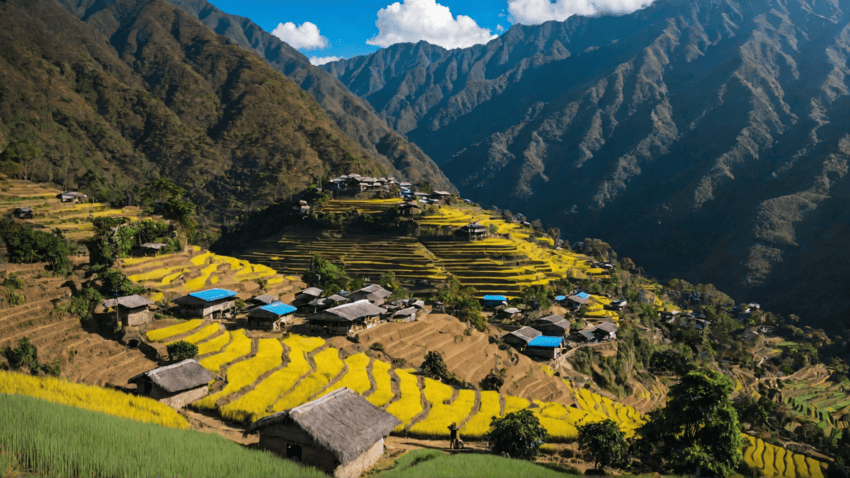
Image generated with Ai
As more travelers seek immersive, nature-based, and cultural tourism experiences, the Cordillera region of the Philippines has seen an unexpected surge in village tourism. What was once a standalone eco-tourism experience in La Diyang Haven, Tuba, Benguet has now evolved into a collective movement where entire communities open their doors to visitors.
Thanks to an initiative spearheaded by the Department of Tourism – Cordillera Administrative Region (DOT-CAR), an increasing number of rural villages are gaining recognition as emerging travel destinations. With 19 villages participating in the 2024 search for the Best Tourism Village, the program has transformed local communities into tourism hubs that showcase their pristine landscapes, indigenous traditions, and sustainable tourism practices.
How Community Tourism is Transforming the Cordillera Region
Unlike traditional tourism hotspots in the Philippines, where mainstream attractions dominate the visitor experience, Cordillera’s approach to tourism is deeply rooted in local culture and environmental sustainability. Through loop tourism, travelers now have the opportunity to explore multiple interconnected villages, each offering unique experiences that complement one another.
Among the key benefits of this tourism model are:
Advertisement
Advertisement
- A more diversified visitor experience, with a mix of nature, culture, and gastronomy.
- More communities benefiting economically, rather than tourism being concentrated in a few well-known locations.
- An emphasis on preserving indigenous cultures, as tourism helps highlight traditional practices, cuisine, and craftsmanship.
With international travel increasingly shifting towards slow, sustainable tourism, Cordillera’s growing village tourism scene is poised to attract a new wave of eco-conscious travelers.
A Closer Look at Cordillera’s Village Tourism Experience
For visitors, the rural tourism experience in Cordillera offers an authentic connection with nature and indigenous traditions. According to Cristina Tolero, head of La Diyang Haven, guests can expect immersive activities, such as:
Advertisement
Advertisement
- Walking through virgin forests, offering a deeper appreciation for untouched natural landscapes.
- Dining on naturally grown local food, including “slow food” meals prepared with fresh fruits, vegetables, fish, and livestock sourced from the village itself.
- Experiencing Ibaloi heritage, with cultural performances featuring traditional attire and indigenous dances.
One of the culinary highlights for tourists includes watwat (boiled pork served during festivities) and pinuneg (Ibaloi blood sausage), giving visitors a taste of local gastronomy that is deeply tied to indigenous customs.
The Best Tourism Village Search: Driving Growth and Recognition
The Best Tourism Village competition, launched by DOT-CAR, has played a pivotal role in motivating villages to improve their tourism offerings. According to Tolero, participating in the competition encourages communities to maintain high tourism standards while allowing them to sustainably develop their village attractions.
The search also helps villages secure funding for tourism infrastructure and promotional efforts. The first-place winner is awarded PHP 1 million, which is allocated for projects that enhance community-based tourism initiatives.
Since its launch in 2023 with only 12 participating villages, interest in the competition has grown significantly, with 19 villages joining in 2024 and even more expected in 2025.
Tourism Acceptance Among Indigenous Communities
One of the biggest challenges in expanding rural tourism has been ensuring that indigenous communities are willing to open their villages to outsiders. However, DOT-CAR Regional Director Jovita Ganongan noted that the competition has helped shift perspectives, allowing villagers to take pride in showcasing their land, culture, and traditions.
According to Ganongan, sustainable tourism can only thrive when the local population embraces it. In Cordillera, the Best Tourism Village initiative ensures that acceptance and community involvement remain at the heart of development efforts.
Advertisement
Advertisement
Judging Criteria: What Makes a Successful Tourism Village?
For a village to stand out in the Best Tourism Village search, judges assess key factors such as:
- Sustainability – ensuring that tourism does not harm the natural environment or cultural heritage.
- Community benefits – evaluating whether tourism uplifts local livelihoods.
- Quality of experience – considering the authenticity and uniqueness of the tourism activities offered.
- Innovative practices – identifying villages that find creative ways to engage tourists while preserving traditional lifestyles.
These standards align with the United Nations World Tourism Organization’s (UNWTO) definition of tourism villages, which recognizes destinations that preserve rural culture while fostering economic sustainability.
How Village Tourism is Shaping Travel Trends in the Philippines
The rise of village-based tourism in Cordillera mirrors a broader shift in global travel behavior. More tourists, particularly from international markets, are seeking travel experiences that go beyond traditional sightseeing.
This trend aligns with:
- A rise in demand for eco-tourism, where travelers prioritize destinations that respect nature and sustainability.
- An increased interest in indigenous cultures, with tourists looking for genuine interactions with local communities.
- The shift from mass tourism to immersive experiences, where visitors opt for small-group, off-the-beaten-path adventures.
The Future of Rural Tourism in Cordillera and Beyond
As Cordillera’s rural tourism sector continues to expand, the challenge now lies in maintaining sustainable growth while managing visitor numbers. While increased tourism brings economic benefits, there is also the risk of over-tourism and environmental degradation if not carefully managed.
To ensure long-term success, experts suggest:
Advertisement
Advertisement
- Developing eco-friendly tourism policies that limit the environmental impact of visitor activities.
- Training locals in sustainable tourism practices, ensuring that they are equipped to handle both cultural and ecological preservation.
- Creating diversified tourism packages to distribute visitor traffic across multiple villages, preventing overcrowding in just a few locations.
By taking a strategic approach to development, Cordillera could serve as a model for rural tourism in the Philippines, helping other provinces unlock the economic potential of their cultural and natural assets.
How This Movement Could Inspire Global Travel Trends
Beyond the Philippines, the success of Cordillera’s village tourism movement may inspire other countries to adopt similar models for rural tourism development. Across Asia, regions with indigenous communities and unspoiled landscapes are increasingly seeing tourism as a means of economic empowerment.
Countries like Vietnam, Thailand, and Indonesia have already introduced community-based tourism programs, but Cordillera’s success story proves that grassroots tourism initiatives, when well-organized, can create significant economic and cultural benefits.
Final Thoughts: A New Era for Sustainable Tourism in the Philippines
With Cordillera’s villages embracing tourism and more communities joining the movement, the region is now at the forefront of sustainable, community-driven travel in the Philippines.
As demand for authentic, responsible tourism continues to grow, Cordillera’s success in integrating indigenous culture, environmental preservation, and economic development could serve as a blueprint for the future of rural tourism in Southeast Asia.
For travelers, this presents an exciting opportunity to experience the beauty of the Cordillera region beyond the usual tourist trails—while contributing to a movement that empowers local communities and protects cultural heritage for generations to come.
Advertisement
