
Philippines Islands Are Seeing Millions Of Overseas Travel Arrivals, So Why Are Budget Hotels Facing Major Trouble?

Published
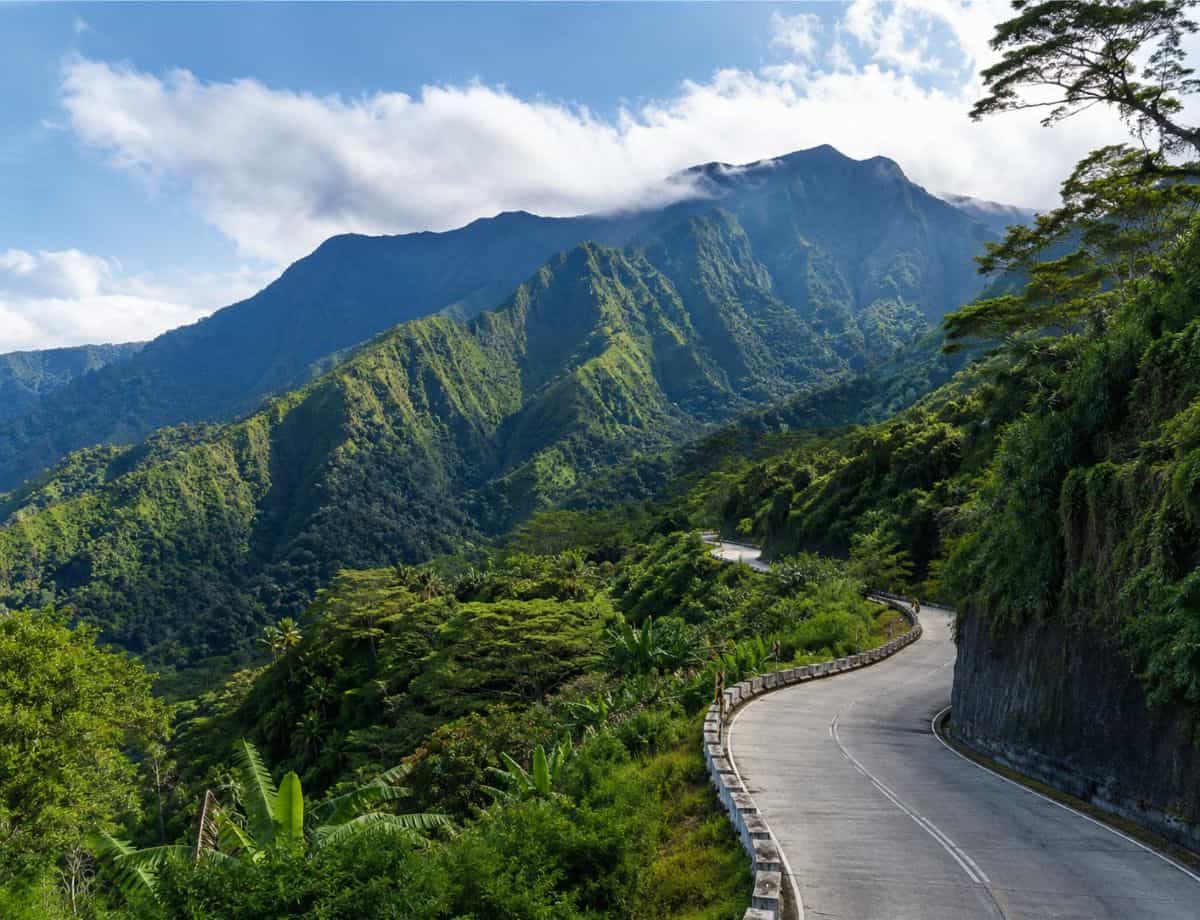
Travel cannot be defined by numbers. Travel embodies the spirit of wanderlust and the connectivity and discovery of the human race. Thousands of travelers take flights to the Philippines each month, with a great majority of these trips being their first to this country. It is clear that travelers appreciate the beautiful beaches along with the restaurants and clubs that attract the country’s nightlife. But there is something else going on that shows that the landscape of travel is continually changing. The global economy and how the currency exchange markets are changing are affecting the way travelers view the value of their purchases. The big resorts are doing fine, but the small, rural farms are struggling. It shows great strength and flexibility that small travel businesses continue to stay open even though travel along the off beaten paths is continually increasing. It is truly an interesting puzzle how the worlds travelers will all continue to get to where they want to go.
Evaluating Strategic Adaptations and the Future Economic Path for Global Travelers
It was reported that looking ahead through the remainder of 2026, currency valuations will play an exceedingly decisive role in governing consumer decisions throughout the global travel sector. A weaker Peso effectively enhanced purchasing power for overseas visitors carrying stronger foreign currencies, making visits within the Philippines notably more cost-effective for international travelers! This foreign exchange dynamic helped buffer international guests against localized inflationary price hikes on food, local transport, and recreational excursions across island destinations.
Ultimately, economic evaluations projected a widening divide in financial outcomes across various tiers of the hospitality industry. Premium accommodation providers that serve international corporate travelers and major convention delegates are expected to maintain stable revenues. Conversely, mid-tier and budget-focused domestic resort operators face prolonged financial pressure as domestic consumers adjust spending habits to counter ongoing inflationary constraints for the remainder of the year.
Advertisement
Advertisement
Evaluating the Sharp Hospitality Sector Split Between Metro Manila and Regional Destinations
A sharp operational contrast materialized between primary urban commercial hubs and regional provincial destinations across the Philippines. Within Metro Manila, accommodation providers recorded remarkably resilient performance metrics, driven by steady business travel and active corporate gatherings, corporate workshops, and international trade exhibitions! The Average Daily Rate for lodging options across Metro Manila rose from ₱5,800 to ₱6,000, reaching a high of ₱6,200 in April, while average hotel occupancy climbed to 66%, peaking at 67% in May.
Advertisement
Advertisement
Conversely, budget accommodations and mid-tier regional facilities in outer provinces encountered significant operational headwinds during the same timeframe. These regional establishments depend heavily on local vacationers and experienced squeezed profit margins due to high operational costs. Local consumers faced domestic inflation rates of roughly 6.4% along with elevated domestic airfares, which severely restricted discretionary leisure spending across outer provincial destinations.
Analyzing the Shifting Dynamic Trends Across Major International Source Markets
The recorded data highlighted significant structural shifts among the primary geographical origin points driving inbound tourism volumes. The United States sustained its established rank as the single largest foreign origin market, supplying 531,859 visitors to the island nation, which represented a solid 7% year-over-year increase! Simultaneously, visitor arrivals originating from China registered a dramatic rebound, soaring by 63% to reach 187,478 registered visitors across the five-month span.
In contrast, passenger counts originating from South Korea experienced a modest, continuous decline throughout the same period. Because South Korea has historically served as one of the chief traditional feeder markets for regional resort destinations, this subtle downturn prompted hotel operators to re-evaluate target demographics. Consequently, global tour coordinators began refocusing marketing campaigns toward more resilient consumer segments to compensate for reduced volume from traditional source countries.
Examining the Decelerating Growth Trajectory and International Operational Factors
Detailed analytical data indicated that incoming international passenger traffic underwent a progressive monthly moderation across the five-month monitoring period. The initial growth momentum reached its maximum level at 17% in February, before steadily slowing down to 13% in March, tapering further to 4% in April, and ultimately reaching 1% in May. This step-down trend underscored how rapidly global external factors influence overall destination volume and visitor behavior.
Advertisement
Advertisement
Industry analysts observed that unresolved international geopolitical tensions, such as the Iran crisis, created noticeable hesitation among long-haul travelers. Combined with elevated aviation fuel costs and sudden international flight cancellations, overall travel expenses grew significantly. Consequently, international travelers worldwide modified their itineraries, leading to a visible cooling of inbound passenger arrivals toward the end of the five-month timeframe.
Philippine Tourism 2026: Arrivals Reach 2.74 Million, Strongest Start in Five Years
Official data revealed that during the initial five months of 2026, incoming foreign passenger arrivals to the Philippines totaled 2.74 million, reflecting an 8% increase compared to the 2.54 million visitors recorded during the matching timeframe in 2025. This volume represented the highest five-month opening total recorded over the last five years! Nevertheless, detailed statistical analysis revealed a two-speed market structure, where high overall initial numbers gave way to moderating growth rates moving into the second half of the year.
From a global perspective, international travelers navigated an unpredictable economic landscape that influenced long-distance journey decisions. Early in the year, enthusiasm for international travel remained strong; however, growing geopolitical uncertainty, rising jet fuel prices, and flight schedule changes weighed on traveler sentiment. As a result, global tourists adjusted their travel habits by booking shorter trips and opting for destinations with favorable exchange rates.
Strategic Expansion of International Hotel Pipeline and Branded Keys Supply Across Regional Urban Hubs
Industry reports indicated that the national hospitality sector is poised to absorb a substantial influx of inventory, with 12,249 total hotel keys slated for completion across 50 major construction projects nationwide throughout 2026. Operational metrics revealed that international management groups including global chains overseeing brands like Mandarin Oriental, Dusit, and Marriott account for approximately 52% of this upcoming room supply expansion.
Advertisement
Advertisement
This structural influx remains concentrated within upper-midscale and luxury market categories, specifically tailored to capture high-yielding international travelers. While primary urban centers continue to absorb multi-property developments, international hotel operators are actively expanding into secondary and tertiary regional markets such as Baguio, Batangas, Laguna, and Zamboanga, altering competitive dynamics for local independent operators.
Surge in Strategic Marketing Investments and International Promotion Frameworks to Enhance Destination Visibility
Evaluations of official institutional budgets demonstrated a major policy shift designed to bolster global visibility and effectively compete with neighboring Southeast Asia destinations. Official promotional allocations underwent a tenfold surge, rising from ₱100 million to approximately ₱1 billion for international campaign outreach.
This targeted capital outlay focuses on re-establishing footprint presence across core origin markets while funding digital visa integration programs. Tourism evaluators noted that because international travel itineraries are arranged months in advance, the full financial return on investment from this boosted marketing budget is expected to materialize gradually into late 2026 and early 2027.
Aviation Infrastructure Modernization and Regional Airport Privatization Projects Driving Regional Connectivity
Logistical updates highlighted that large-scale Public-Private Partnership concessions are rapidly transforming island transit networks. The private consortium managing Metro Manila’s primary international gateway the New NAIA Infra Corp project valued at ₱170.6 billion ($2.9 billion) is scaling terminal operational capacity up to 62 million passengers annually following a record volume of 52.02 million passengers.
Advertisement
Advertisement
Concurrently, terminal expansions and navigation upgrades across regional gateways like Bohol-Panglao International Airport, Laoag, Kalibo, Palawan, and Siargao are significantly reducing travel friction for island-hopping tourists. Additionally, long-term financing for the greenfield airport initiative in Bulacan is engineered to decongest capital airspace and expand air corridor redundancy.
Major Inter-Island Connectivity Investments and Last-Mile Transport Upgrades Accelerating Resort Access
Transport updates revealed a substantial ₱1.56 trillion ($26.5 billion) national infrastructure allocation, featuring ₱197.3 billion ($3.35 billion) dedicated specifically to transportation department initiatives. A major portion of this capital funds the Tourism Road Infrastructure Program, which successfully completed 882.28 kilometers of direct access roads connecting transit hubs to remote eco-tourism destinations.
Furthermore, mega-bridge infrastructure projects are fundamentally altering regional itinerary logistics across central island clusters. Flagship projects such as the ₱195 billion ($3.32 billion) Panay-Guimaras-Negros Bridge and the ₱24 billion ($410 million) Samal Island-Davao City Connector Bridge are engineered to cut transit times and unlock direct land-based resort access across the Visayas and Mindanao regions.
Demographic Breakdown and Digital Booking Adoption Trends Reshaping Modern Visitor Behaviors
Visitor demographic metrics indicated a distinct generational shift driving incoming travel demand, with young travelers aged 26 to 35 years representing the single largest visitor cohort at 31.4%. This demographic segment prioritizes experiential journeys, heritage excursions, and coastal retreats over traditional pre-packaged tour itineraries.
Advertisement
Advertisement
Additionally, booking transaction data showed that digital adoption has become the standard operational route for incoming visitors, with 67.2% of total travel purchases completed via mobile applications and online travel platforms. In terms of destination activity breakdown, cultural and heritage tourism emerged as the leading trip driver at 33.8%, followed by beach recreation, eco-wellness retreats, and integrated gaming resorts.
Expanding MICE Infrastructure and High-Yield Corporate Event Growth Elevating Urban Hotel Revenues
Corporate travel analyses highlighted that the Meetings, Incentives, Conferences, and Exhibitions (MICE) segment is serving as a primary stabilizer for urban hotel occupancies. Driven by corporate gatherings, international trade summits, and regional forums, business travel demand pushed premium hotel occupancies in financial districts like Bonifacio Global City (BGC) to 87.9% and Makati CBD to 83.9%.
The strategic opening of large-scale event facilities such as the SMX Convention Center Seaside in Cebu and the Mactan Expo Center has significantly increased capacity for global conventions. Hosting major events like the ASEAN Tourism Forum travel exchange reinforces high-yield corporate bookings and elevates food and beverage yields across urban hospitality hubs.
Rebound in Long-Haul Outbound Markets and Exchange Rate Spend Advantage Sustaining Luxury Sector Yields
Financial reviews showed that long-haul visitors originating from the United States, Canada, and Australia registered the highest per-capita expenditure and longest average duration of stay among all inbound demographics. Supported by favorable currency conversion rates against the Peso, these travelers generated high-ticket retail transactions and sustained occupancy across luxury properties.
Advertisement
Advertisement
Airline route expansions have significantly bolstered this high-yielding long-haul traffic. Expanded air connections including direct long-haul operations connecting Manila to Los Angeles up to 18 times weekly, alongside new long-distance connections serving Palau and Riyadh have effectively broadened the international arrival pipeline.
E-Visa Integration and Targeted Market Diversification Policies Mitigating Feeder Region Contractions
Institutional policy analyses confirmed that streamlined entry protocols are acting as a major growth catalyst for short-haul Asian travel markets. The reactivation and digital scaling of the e-visa system for Chinese nationals directly catalyzed a 63% surge in arrivals from China, totaling 187,478 visitors within the five-month span.
To address continuous volume contractions from traditional feeder regions like South Korea, tourism authorities are shifting focus toward high-potential emerging markets. Strategic entry waivers, simplified group visa processing, and targeted promotional campaigns are being rolled out across India and neighboring ASEAN countries to diversify visitor source regions and reduce reliance on single markets.
Resilience of Domestic Tourism and Sustained Regional Growth Driving Long-Term Market Stability
Regional tourism statistics demonstrated that domestic travel continues to anchor the sector’s baseline economic stability, with market composition standing at 69.9% domestic visitors compared to 30.1% international tourists. Although high domestic airfares and local inflation of 6.4% constrained budget travelers, domestic volume effectively offset international contractions in key provincial hubs.
Advertisement
Advertisement
City-level tracking highlighted Davao City as the top domestic travel choice nationwide for two consecutive years, serving as an affordable, secure destination for regional travelers. Concurrently, eco-luxury hotspots in Palawan such as El Nido, Nacpan Beach, and Coron remained insulated from broader budget downturns, drawing premium domestic and foreign travelers seeking high-end sustainable tourism.
A Horizon Defined by Resilience, Rediscovery, and Hope
There is more to hospitality than spreadsheets and stats and more to travel than the human connection and the resilience of coastal communities. Travel is about setting foot in a foreign country, no matter what the economics of travel become. Travelers will count their coins more, vacation for a shorter duration, travel to nearby shores, but the travel bug is still going to tingle and inspire people to go and camp their butts on foreign shores. Historic streets of cities and modern towers will continue to buzz and echo with foreign languages, and tranquil cottages will continue to wait for their loyal guests.
The road ahead may include headwinds for the next 6 years, but every hospitality filling brings vital livelihood for hosts. The promise of travel is not just occupancy, and travel should and will not be the border count. Travel should be defined by the moments across the ocean that bring hope to people on both sides and curb our growing pains of a world that becomes increasingly complex. Even if we become a well-ordered world, we will always discover new places to travel.
Advertisement
