
Hyatt Joins Marriott, Hilton and IHG in a Powerful US Hospitality Revolution Redefining Travel with Contactless Check-In, Digital Keys and Smart Mobile Hotel Ecosystems in 2026

Published
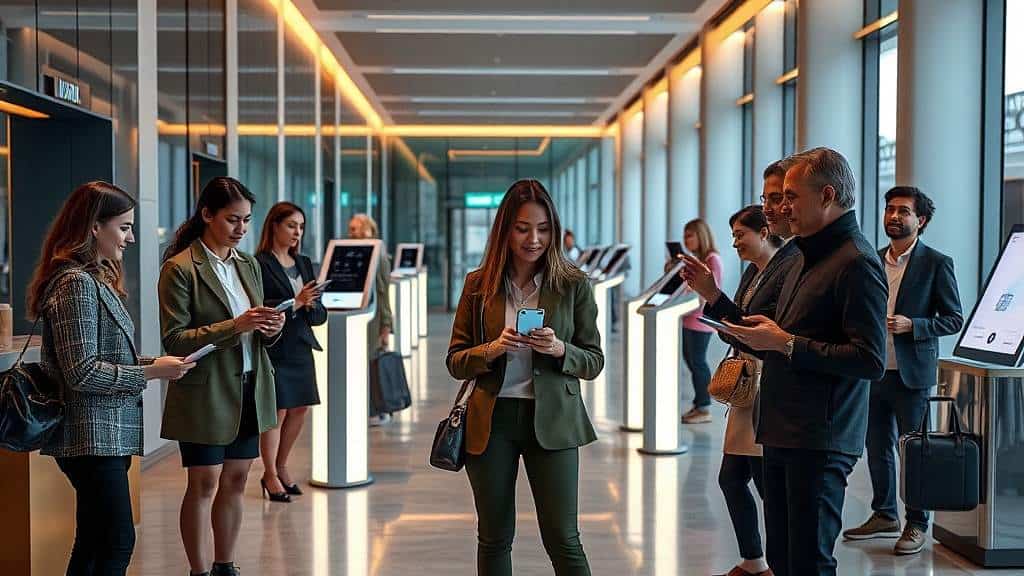
Hyatt Joins Marriott, Hilton and IHG in a powerful US hospitality revolution redefining travel with contactless check-in, digital keys and smart mobile hotel ecosystems in 2026. This transformation has been driven by a rapid shift in guest expectations across the United States hospitality sector as travellers increasingly demand faster arrivals, seamless authentication and app-based control over every stage of their stay. Major hotel groups are now integrating mobile ecosystems, NFC technology and cloud-based loyalty platforms to reduce friction, improve operational efficiency and strengthen customer loyalty in a highly competitive global travel market. As a result, contactless check-in systems, digital room keys and smart mobile hotel ecosystems are becoming standard across leading brands, reshaping how guests arrive, interact and experience modern hospitality in 2026 while setting a new benchmark for digital-first travel experiences worldwide with technology-led guest journeys becoming the new global industry norm across major hotel brands worldwide today globally.
Hyatt Leads Apple Wallet NFC Entry Systems
Hyatt Hotels Corporation has been positioned as a frontrunner in next-generation hotel access systems through its World of Hyatt platform. A highly advanced integration has been deployed using Near Field Communication technology combined with Apple Wallet functionality, allowing guests to access rooms and shared facilities through mobile devices without physical key cards.
The system has been built on secure encrypted credential delivery supported by ASSA ABLOY Global Solutions and the Vostio Access Management platform. Once a booking is confirmed, digital room keys are issued through the World of Hyatt application and stored in Apple Wallet. These keys remain inactive until check-in is completed and a room is assigned on the day of arrival.
Access is enabled through a simple tap mechanism on NFC-enabled door locks. The system supports entry into rooms, elevators, gyms, and wellness facilities. Express Mode ensures that device unlocking is not required, while Power Reserve allows limited access even when battery levels are depleted. This infrastructure has positioned Hyatt as a leader in frictionless hospitality delivery.
Advertisement
Advertisement
Marriott Bonvoy AI Guest Engagement Mobile Keys US
Marriott International has developed one of the largest digital hospitality ecosystems through its Marriott Bonvoy platform, which connects hundreds of millions of members globally. The system has been embedded across a vast property network spanning thousands of hotels and millions of rooms.
The mobile check-in process is initiated prior to arrival through app notifications, allowing guests to select arrival times, room preferences, and service options such as housekeeping frequency and late checkout. Once the room is ready, a digital key is delivered via Bluetooth Low Energy technology.
Advertisement
Advertisement
A key innovation within the Marriott system is Mobile Key Sharing, which enables primary guests to extend digital access to companions through secure app-based permissions. This multi-user functionality has strengthened group travel convenience and reduced dependency on front desk coordination. The entire system has been supported by cloud migration and predictive analytics, allowing Marriott to optimise guest allocation, operational efficiency, and personalised engagement across its global portfolio.
Hilton Honors Enables Smart Digital Key Mobility
Hilton Worldwide has implemented one of the most advanced mobile hospitality frameworks through its Hilton Honors application. The system allows guests to select rooms from digital floor maps prior to arrival, offering unprecedented control over room allocation.
Advertisement
Advertisement
A distinctive innovation has been the introduction of background elevator unlocking, where Bluetooth-enabled systems automatically detect guest proximity and grant access without manual interaction. This feature reduces physical friction and enables seamless vertical movement within hotel properties.
Hilton’s Property Engagement Platform has been co-developed with HotelKey to enhance operational speed and service coordination. The system supports real-time messaging, digital requests, and automated service tracking. Strong adoption rates have been recorded across millions of users, demonstrating widespread acceptance of mobile-first hospitality systems. The integration has also reduced reliance on physical key cards and significantly improved guest response efficiency.

IHG One Rewards Powers Cloud Guest Experience Tech
InterContinental Hotels Group has developed its contactless guest ecosystem through the IHG One Rewards application, supported by a cloud-based Guest Reservation System developed in collaboration with Amadeus. This system has enabled early adoption of mobile arrival technologies and continues to evolve into a fully integrated guest management platform.
A key feature is Mobile Folio, which allows guests to monitor billing in real time throughout their stay, ensuring transparency and financial control. Additionally, iBeacon technology has been deployed to detect guest arrival in hotel lobbies, triggering personalised greetings and service notifications.
Advertisement
Advertisement
The platform also includes structured guest request tracking, ensuring that service needs are assigned efficiently to staff members. This integration has improved operational responsiveness while enhancing guest satisfaction through continuous digital engagement across the entire stay cycle.
Contactless Hospitality Reshapes Guest Experience
The hospitality sector in the United States has undergone a structural transformation where contactless systems have evolved from temporary health-driven solutions into permanent operational standards. Guest expectations have shifted significantly towards digital-first experiences that prioritise speed, convenience, and autonomy.
Hygiene concerns initially accelerated adoption, but long-term behavioural change has sustained the demand for mobile check-in systems, digital wallets, and self-service platforms. Surveys indicate that a large majority of travellers now prefer fully online booking and arrival systems, particularly among younger demographics.
Hotels have responded by restructuring front desk operations, reducing physical queues, and increasing reliance on mobile authentication. These changes have redefined service delivery models, making digital engagement a central pillar of hospitality competitiveness across global hotel chains.
Las Vegas Hotel Market Adopts Hybrid and Digital Check-in Models at Scale
Las Vegas has become a leading example of large-scale contactless hospitality deployment due to its high visitor volume and complex resort environments. Major operators have implemented both fully digital and hybrid check-in systems.
MGM Resorts International has deployed a mobile application that allows guests to complete pre-arrival check-in and use Bluetooth-enabled digital keys for direct room access. Caesars Entertainment has implemented a hybrid QR-based system where guests complete online check-in before retrieving physical keys from kiosks. The Venetian Resort follows a similar model combining digital pre-check-in with physical key collection.
Advertisement
Advertisement
These layered systems reflect regulatory requirements, identity verification needs, and security compliance obligations. Despite operational complexity, mobile integration has reduced congestion and improved guest flow across major resort properties.
New York City & Chicago Build Contactless Travel
New York City and Chicago have demonstrated strong alignment between hotel digital systems and broader urban contactless infrastructure. In New York, the OMNY transit system has replaced traditional MetroCards, enabling fully contactless travel across public transport networks.
Hotels in the city have integrated mobile check-in systems to match this digital environment, reducing lobby congestion in high-rise properties. Similarly, Chicago’s Ventra system supports mobile transit payments, reinforcing a citywide shift toward digital mobility.
These developments have strengthened the compatibility between tourism infrastructure and hospitality systems, enabling seamless travel experiences from airport arrival through hotel check-in and city exploration.
Digital Hotel Sustainability Drives Paperless Future
Environmental sustainability has been significantly improved through the adoption of mobile check-in and digital key systems. Physical key card production has been reduced, leading to substantial decreases in plastic waste across global hotel operations.
Paperless check-in systems have replaced traditional registration documents, printed receipts, and physical menus. In addition, smart energy management systems have been integrated into hotel infrastructure, allowing room temperature and energy consumption to be adjusted based on occupancy status.
Advertisement
Advertisement
This integration has contributed to reduced operational emissions and improved resource efficiency. Hotels have increasingly aligned these systems with broader sustainability certifications and corporate environmental strategies, reinforcing the role of digital transformation in green hospitality development.

Macroeconomic Performance Strengthened by Loyalty-Driven Digital Ecosystems
Major hospitality groups have reported strong financial performance driven by loyalty programme engagement and digital booking channels. Marriott International and Hilton Worldwide have both demonstrated robust revenue growth supported by mobile application usage and direct booking ecosystems.
The asset-light franchise model has enabled high capital returns while reducing operational risk exposure. Loyalty programmes have played a central role in capturing repeat customers and reducing dependency on third-party booking platforms.
This shift has strengthened profitability margins and allowed hotel groups to reinvest in technology infrastructure, further accelerating the adoption of AI-driven guest management systems and predictive operational models.
Operational Challenges Persist in Identity Verification and System Reliability
Despite rapid adoption, several operational challenges continue to affect contactless hotel systems. Identity verification requirements at physical front desks remain a key friction point, particularly where regulatory compliance or fraud prevention standards require manual checks.
Technical reliability issues, including Bluetooth connectivity failures and app interface limitations, can also disrupt guest experiences. These disruptions occasionally force guests to revert to traditional key card systems, reducing perceived convenience.
Advertisement
Advertisement
User interface clarity and transparency in billing and service charges have also been identified as areas requiring improvement. These challenges highlight the ongoing need for system refinement and stronger integration between digital platforms and physical operations.
Generational Divide Shapes Digital Hospitality Use
The adoption of mobile check-in systems varies significantly across demographic groups. Younger travellers, particularly Gen Z and Millennials, demonstrate the highest levels of engagement with digital hospitality platforms.
Older demographic groups show comparatively lower adoption rates, often preferring traditional front desk interactions. This generational divide has required hotel operators to maintain hybrid service models that accommodate both digital-first and conventional guest preferences.
The continued coexistence of both systems ensures accessibility while allowing gradual transition toward fully digital hospitality ecosystems in the long term.
Future Outlook: Biometric AI Hotel Revolution
The future of hospitality is expected to move toward fully integrated digital identity systems supported by biometric verification technologies. Government-backed digital identity frameworks and airport security innovations are likely to influence hotel check-in processes.
Artificial intelligence is expected to play a central role in predictive room allocation, personalised guest experiences, and automated service delivery. Cloud-based hotel management systems will continue to unify reservation, loyalty, and operational platforms.
Advertisement
Advertisement
This evolution is expected to eventually eliminate remaining physical check-in processes, enabling fully autonomous guest journeys from booking to departure.
Advertisement
