
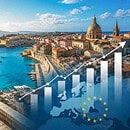
Image generated with Ai
Cruise tourism has solidified its position as one of South Africa’s fastest-growing economic contributors, particularly in the Western Cape, with Cape Town being a leading hub for this booming sector. The 2024/25 season marked significant milestones for the industry, setting records in terms of passenger numbers, cruise ship arrivals, and financial contributions. According to recent reports, this surge has not only boosted tourism but also had a notable impact on job creation and regional development, establishing South Africa as a prominent player on the global cruise map. As the sector continues to grow, experts are optimistic about the long-term economic benefits it will bring to the country’s GDP and local communities.
The cruise tourism sector in South Africa has experienced remarkable growth, with Cape Town serving as a focal point. The Port of Cape Town saw an 18% increase in the number of cruise ship arrivals from September 2024 to June 2025, with 79 cruise ships making 83 total calls during this period. This growth reflects the increasing popularity of South Africa as a prime destination for international cruise itineraries. The Western Cape province, which includes Cape Town, is emerging as one of the top destinations for global cruise lines, with the city solidifying its reputation as a major stop on long-haul world cruises.
Advertisement
The 2024/25 cruise season brought substantial economic benefits to the region. Passenger numbers reached 127,000, marking a 16% increase compared to the previous year. The surge in passenger arrivals led to a significant rise in spending, with cruise-related expenditures climbing from R1.5 billion in the 2023/24 season to R1.99 billion in 2024/25. This spending directly contributed R1.79 billion to the provincial GDP, highlighting the importance of cruise tourism in driving the local economy. These figures underline the sector’s growing influence on Cape Town’s tourism industry, which has become a pivotal part of South Africa’s economic development.
One of the most important aspects of the cruise tourism sector is its ability to create jobs. In the 2024/25 season, over 1,200 direct full-time jobs were generated in the Western Cape, with the overall figure increasing to nearly 2,400 when indirect job effects were considered. These jobs were spread across various sectors, with retail and markets accounting for the largest portion at 44%. Hotels and restaurants contributed 27%, while tour operators and fuel bunkering services also played a role in the job market. On a national scale, almost 3,000 jobs were supported by the cruise tourism sector, demonstrating its broader impact across the country.
Advertisement
The Western Cape’s cruise tourism success has not gone unnoticed internationally. Cape Town has increasingly been included in global cruise itineraries, strengthening its position on the map of desirable destinations for cruise operators. This shift is reflected in the number of luxury vessels, such as The World, which arrived in Cape Town as part of the 2025/26 season, further cementing the city’s status as a premier cruise destination. The trend is expected to continue, with more than 70 cruise ship calls planned for the upcoming season, indicating sustained demand for the region.
Despite the impressive growth of the cruise tourism sector, there are challenges ahead. Experts note that for the industry to maintain its upward trajectory, continued investment in port infrastructure and services will be necessary. Efforts to improve facilities and provide world-class experiences for tourists will be crucial in ensuring that Cape Town remains competitive as a cruise hub. Furthermore, as the sector expands, it will be important to ensure that growth is sustainable, with a focus on protecting the environment and supporting local communities.
The benefits of cruise tourism extend beyond the direct impact on ports and employment. Small businesses, ranging from family-owned shops to large enterprises, also benefit from the influx of tourists. Every visitor who disembarks contributes to the livelihoods of local artisans, service providers, and vendors. Additionally, the growth of cruise tourism is helping to diversify the tourism offerings in Cape Town and the Western Cape, attracting tourists to explore new regions and experiences within the area.
As cruise tourism continues to expand, Cape Town and the broader Western Cape region are positioned for even greater success. The growth in passenger numbers, coupled with the increase in expenditures and job creation, shows that this sector will continue to play a significant role in South Africa’s economic development. With ongoing support from industry stakeholders and careful planning for sustainable growth, the future of cruise tourism looks promising. The industry not only offers new opportunities for South Africa’s economy but also enhances the country’s reputation as a world-class tourism destination.
Advertisement
Tags: Cape Town cruise ships, Cruise Tourism Growth, Cruise tourism South Africa, Western Cape economy
Advertisement
Advertisement











Tuesday, September 1, 2026

Tuesday, September 1, 2026

Tuesday, September 1, 2026

Tuesday, September 1, 2026
Tuesday, September 1, 2026
Tuesday, September 1, 2026

Tuesday, September 1, 2026

Tuesday, September 1, 2026



