
Image generated with Ai
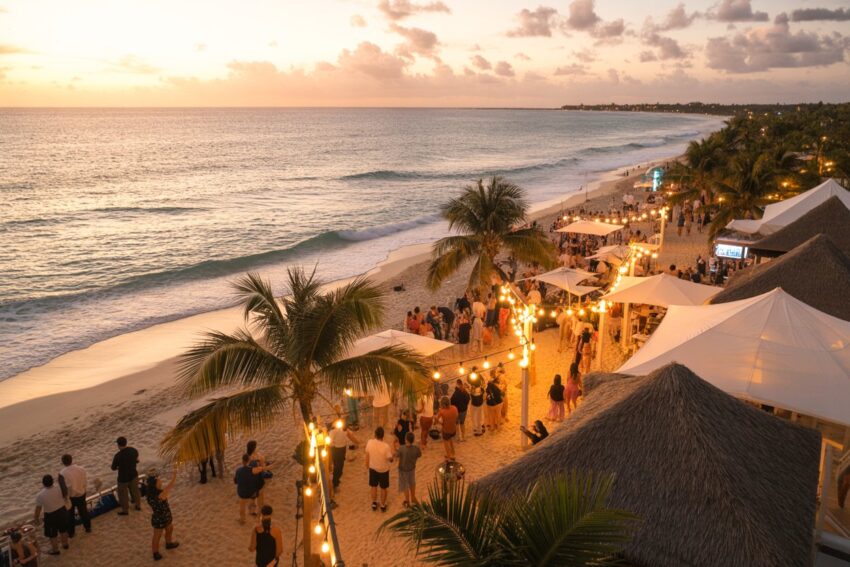
In the past year, several Caribbean destinations, including Cuba, Saint Lucia, Jamaica, the Bahamas, Grenada, Martinique, and others, have faced a significant decline in tourist arrivals. This downturn has been marked by varying degrees of impact, with some countries experiencing steep drops while others saw more modest reductions. The decline can be attributed to a mix of global economic challenges, lingering effects from the COVID-19 pandemic, and shifts in travel preferences that have led tourists to seek alternative destinations. Rising travel costs, stricter visa policies, and emerging competition from other regions offering similar experiences at lower prices have also played a part in this trend.
For Cuba, the drop in tourism has been particularly severe, with a marked -18.7% decline in arrivals. The island’s traditional appeal of rich culture, vibrant history, and beautiful beaches was not enough to withstand these global pressures. Similarly, Saint Lucia, despite its stunning volcanic mountains and romantic atmosphere, faced a marginal -3.2% decline, reflecting broader challenges in attracting international visitors. Jamaica, long a Caribbean powerhouse for tourism, also saw a slight drop, facing a -2.0% decline due to factors such as competition and rising costs. The Bahamas, known for its luxury resorts and crystal-clear waters, experienced a -3.4% decrease, while Grenada and Martinique also felt the effects of global economic uncertainty, with Grenada seeing a -5.9% drop in arrivals.
Advertisement
This article will delve deeper into the reasons behind the decline in tourist arrivals across these iconic Caribbean destinations, examining the economic factors, the lasting impacts of the pandemic, and the evolving travel preferences that have reshaped the region’s tourism landscape. Despite these setbacks, there remains hope that these countries can recover by focusing on sustainable tourism and leveraging their unique cultural and natural attractions.
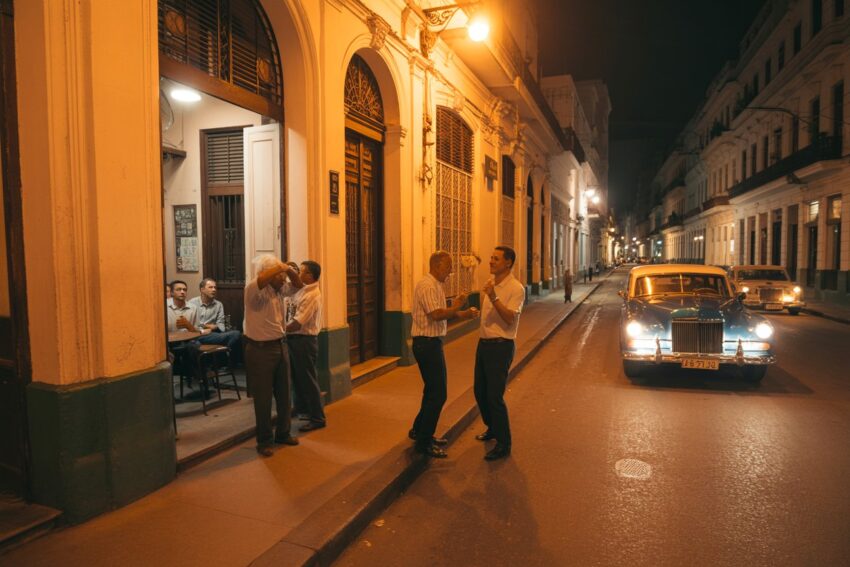
Image generated with Ai
Cuba, long a popular destination for travelers seeking rich culture, vibrant history, and beautiful beaches, has faced a significant downturn in tourism, with a steep -18.7% decline in tourist arrivals between January and November 2025, according to UN Tourism data. The island nation’s tourism industry, which has traditionally been a major economic driver, has been significantly impacted by global economic challenges, rising travel costs, and stricter visa policies. The ongoing effects of the COVID-19 pandemic also continue to hinder recovery, as potential visitors from key markets like North America and Europe face financial constraints and travel hesitations.
Advertisement
Advertisement
Additionally, the island’s infrastructure, which has been aging for years, has struggled to keep up with growing demand, leading to issues with service quality and availability. Cuba’s political landscape also plays a role, with occasional tensions in the international community affecting tourist perceptions. Despite these setbacks, Cuba is committed to revitalizing its tourism sector, focusing on eco-tourism, historical attractions, and cultural experiences. The country’s unique mix of colonial architecture, tropical landscapes, and vibrant arts scene gives hope for a future rebound as Cuba works to improve infrastructure and create sustainable tourism initiatives.

Image generated with Ai
Saint Lucia, renowned for its stunning volcanic mountains, lush rainforests, and romantic atmosphere, experienced a marginal -3.2% decline in tourist arrivals between January and November 2025, according to UN Tourism data. While not as severe as other destinations, this slight dip in tourism represents a trend that could signal broader challenges in the island’s ability to attract international visitors. The COVID-19 pandemic continues to have lingering effects, with many tourists opting for closer or more affordable destinations, limiting the inflow of visitors to the island.
Despite the decline, Saint Lucia remains a sought-after destination, particularly for honeymooners, luxury travelers, and adventure seekers. The island has been focusing on diversifying its tourism products by promoting eco-tourism, wellness retreats, and cultural experiences that appeal to a wider demographic. The decline also reflects a shift in travel preferences toward less commercialized, more sustainable options, but Saint Lucia’s commitment to enhancing infrastructure, maintaining high-quality services, and developing niche markets like wellness tourism provides hope for a strong rebound in the near future.
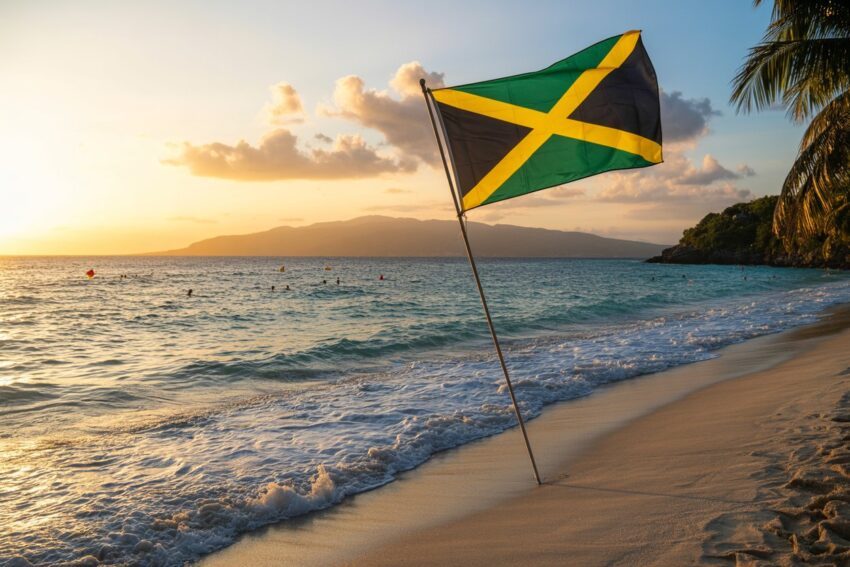
Image generated with Ai
Jamaica, one of the most famous Caribbean destinations, experienced a -2.0% decline in tourist arrivals between January and November 2025, according to UN Tourism data. Known for its lively culture, reggae music, stunning beaches, and all-inclusive resorts, Jamaica has traditionally been a top choice for international tourists, particularly from the U.S. However, the decline can be attributed to a combination of factors, including higher travel costs, competition from other Caribbean islands, and the lingering impact of the COVID-19 pandemic.
Advertisement
Advertisement
Despite the decline, Jamaica continues to be a key player in Caribbean tourism, and its resilience is evident in its efforts to diversify its offerings. The island is focusing on attracting eco-tourists, cultural travelers, and adventure seekers by promoting its natural beauty, historical sites, and vibrant arts scene. Jamaica is also capitalizing on its rich musical heritage and the global appeal of reggae to draw in visitors. While the decline is concerning, Jamaica’s tourism infrastructure, established reputation, and diverse cultural offerings make it well-positioned for a strong recovery.
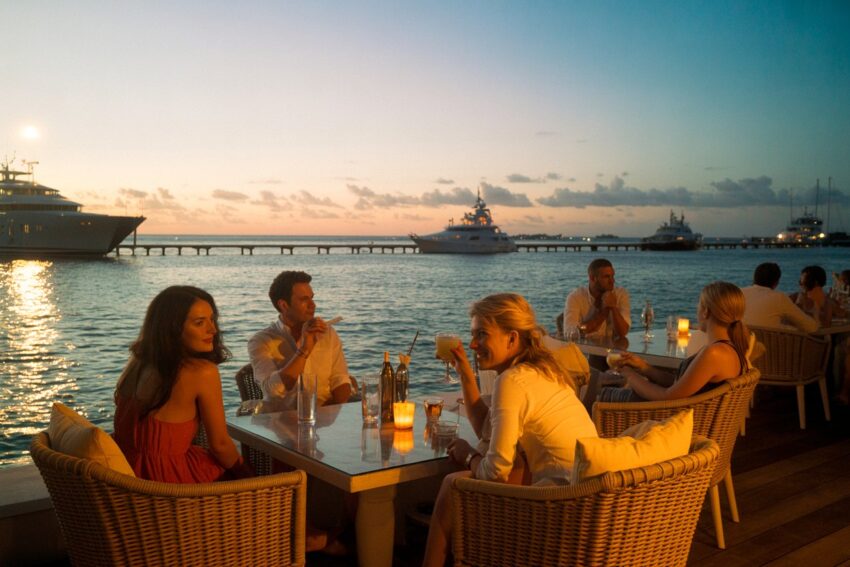
Image generated with Ai
The Bahamas, known for its sparkling waters, luxurious resorts, and laid-back atmosphere, experienced a modest -3.4% decline in tourist arrivals between January and November 2025, according to UN Tourism data. This decline, while smaller than other regions, still marks a troubling trend for the Caribbean paradise that heavily relies on tourism. Factors such as economic uncertainties, including rising inflation and airfares, combined with natural disasters that occasionally disrupt travel to the islands, have created challenges for this otherwise vibrant destination.
Additionally, the rise of new and emerging destinations offering similar tropical getaways at more competitive prices has drawn some visitors away from the Bahamas. Although the Bahamas has made strides in diversifying its tourism offerings, the drop in international arrivals is a reminder of how volatile the global tourism industry can be. However, the country remains resilient, focusing on expanding its eco-tourism, luxury travel, and family-friendly experiences. With its stunning beaches and rich cultural heritage, the Bahamas continues to be a key player in Caribbean tourism, and its future remains bright as it adapts to changing travel trends and demands.

Image generated with Ai
Grenada, the Spice Island of the Caribbean, saw a -5.9% decline in tourist arrivals between January and November 2025, as per UN Tourism data. Known for its pristine beaches, spice plantations, and vibrant culture, Grenada has long been a popular destination for those seeking a more intimate, less commercialized island experience. However, the decline in tourism reflects a combination of factors that have negatively impacted the travel sector, including rising global economic concerns, inflation, and the lingering effects of the pandemic.
While Grenada has worked hard to maintain its allure by focusing on sustainable tourism and eco-friendly practices, the competition from other Caribbean destinations offering similar experiences at lower costs has made it more difficult to capture the attention of international travelers. The island’s small size and limited direct flight options also pose challenges to attracting more visitors. However, Grenada’s tourism officials remain optimistic, focusing on niche markets like wellness tourism, cultural tourism, and culinary experiences to continue drawing in visitors. With its rich natural beauty and a strong focus on sustainable tourism, Grenada’s tourism industry is poised for recovery.

Image generated with Ai
Martinique, the beautiful French Caribbean island, saw a marginal -1.8% decline in tourist arrivals between January and November 2025, according to UN Tourism data. Although the decline is relatively small, it still points to the challenges faced by this picturesque destination, which has long been popular with European tourists, especially from France. The island’s rich history, stunning beaches, and unique blend of French and Caribbean culture continue to make it an attractive destination, but factors like the pandemic’s aftermath and changing travel preferences have contributed to this slight dip in arrivals.
Despite the small decrease in tourist numbers, Martinique’s tourism sector remains optimistic. The island is working to further develop its eco-tourism offerings and capitalize on its cultural heritage, including its French culinary influence and vibrant arts scene. Efforts to improve infrastructure and increase air connectivity to Europe are also expected to support future growth. Martinique’s natural beauty, combined with its French Caribbean flair, ensures that the island will continue to be a major draw for international visitors seeking a distinctive, culturally rich experience.
The Caribbean tourism sector has experienced some challenges, with countries like Cuba, the Bahamas, Saint Lucia, Grenada, Jamaica, and Martinique seeing declines in tourist arrivals. While some of these declines are relatively small, they reflect broader trends within the industry, such as the lingering effects of the COVID-19 pandemic, rising travel costs, and increasing competition from other destinations offering similar experiences at more affordable prices. Additionally, the region has faced fluctuating global economic conditions and changing travel preferences, with many tourists opting for destinations offering unique and sustainable experiences.
However, despite these setbacks, the Caribbean remains a vibrant tourism hub with a lot of potential for growth. Many islands are focusing on sustainable tourism, eco-tourism, and diversifying their offerings to cater to a broader range of travelers. The region’s commitment to promoting its natural beauty, culture, and heritage ensures that it will continue to play an important role in the global tourism landscape. With ongoing investment in infrastructure and marketing, the Caribbean is poised to recover and attract more visitors in the coming years.
In the past year, Cuba, Saint Lucia, Jamaica, the Bahamas, Grenada, Martinique, and others have faced a significant decline in tourist arrivals across the Caribbean due to economic challenges, rising costs, and lingering pandemic effects.
The significant decline in tourist arrivals across the Caribbean in the past year has affected Cuba, Saint Lucia, Jamaica, the Bahamas, Grenada, Martinique, and other key destinations. The downturn can be attributed to a combination of factors including ongoing economic challenges, the lingering impact of the COVID-19 pandemic, rising travel costs, and increased competition from emerging destinations. Despite these setbacks, the Caribbean remains resilient, with many islands focusing on sustainable tourism, eco-tourism, and diversifying their offerings to adapt to changing travel preferences. By continuing to enhance infrastructure, promote unique cultural and natural attractions, and address global uncertainties, these Caribbean nations are well-positioned to recover and thrive in the future.
Advertisement
Advertisement
Advertisement













Saturday, September 5, 2026

Friday, September 4, 2026

Saturday, September 5, 2026

Saturday, September 5, 2026

Thursday, September 3, 2026

Wednesday, September 2, 2026

Saturday, September 5, 2026

Saturday, September 5, 2026


