
Davao City’s Chinatown Set to Transform into a Must-Visit Tourism Destination – Here’s What You Can Expect in 2026!

Published
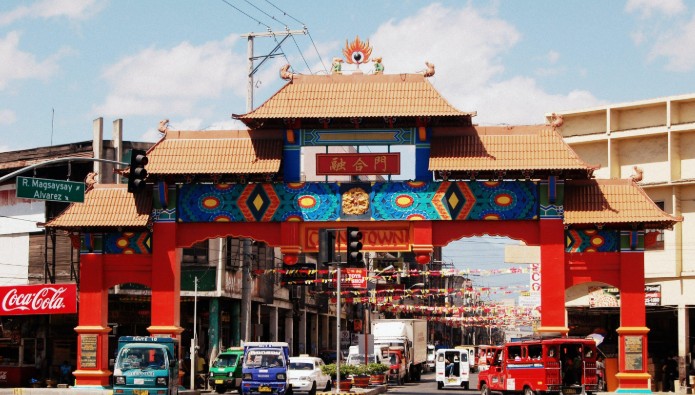 Image generated with Ai
Davao City is poised to become an even more vibrant tourism hub, with a strategic focus on transforming its Chinatown district into one of the city’s most prominent tourism destinations. The vision is rooted in Davao’s Comprehensive Development Plan, which highlights Chinatown as a significant area to be developed under the city’s tourism master plan. According to Davao City First District Councilor Myrna Dalodo-Ortiz, who is also the current chairperson of the City Council Committee on Tourism and Beautification, this ambitious project is steadily progressing despite a few setbacks.
Chinatown’s Role in Davao’s Tourism Plans
Councilor Ortiz emphasized that Chinatown’s inclusion in the City Land Use Plan is a significant part of the city’s broader tourism development strategy. She assured the public that despite some temporary delays due to the reconstitution of the Chinatown Development Council, the district’s transformation into a key tourism spot remains a top priority.
Advertisement
Advertisement
“Our Chinatown is included in the City Land Use or Comprehensive Development Plan,” Ortiz confirmed. “It’s just that there has been a lull due to the composition of the members of the Chinatown Development Council.” The Chinatown Development Council, which brings together representatives from the local government and the Filipino-Chinese community, plays a vital role in shaping the policies for Chinatown’s development.
The Chinatown Development Council and Its Mandate
The Chinatown Development Council is crucial in formulating the policies and plans for the district’s development. This council is composed of both private sector stakeholders and government officials, especially those from the Filipino-Chinese community, whose significant presence in Davao adds to the rich cultural tapestry of the area.
Advertisement
Advertisement
Ortiz highlighted that once the council is fully reconstituted, the development initiatives for Davao’s Chinatown will continue in earnest. These plans are integral to Davao City’s tourism vision, ensuring that Chinatown is developed as both a cultural destination and a tourist attraction that will contribute significantly to the local economy.
Chinatown in Davao’s Tourism Master Plan
The city’s 25-year Tourism Master Plan, created in collaboration with the urban development planner Palafox and Associates, has earmarked Chinatown as one of the most vital districts for tourism development. The plan envisions a Davao Chinatown Night Market along Tomas Monteverde Street, which will be a key feature of the first phase of the master plan. This market will offer a unique shopping and cultural experience, combining the rich history of the district with modern attractions.
Advertisement
Advertisement
The Chinatown Night Market: A New Hub for Visitors
The proposed Davao Chinatown Night Market is expected to become a major draw for both local residents and tourists. As part of the first phase of the tourism development plan, this night market will offer a blend of local delicacies, handmade crafts, and cultural performances. The market will be designed to reflect the authentic Filipino-Chinese heritage that is deeply embedded in the district. The opening of this market is expected to boost foot traffic to the area and highlight the vibrant cultural exchange that Chinatown represents.
During a Technical Working Group meeting held on March 31, the Chinatown Development Plan was further discussed to align objectives and determine the next steps. The Office of the City Building Officials provided crucial insights by sharing the Chinatown Development Map, which highlighted the area’s spatial dynamics and development potential. Additionally, the City Business Bureau presented a comprehensive business inventory, offering a clearer view of the economic landscape in Chinatown.
Distinct Aesthetic Landmarks and Infrastructure Improvements
Over the years, Davao’s Chinatown has seen various development initiatives aimed at enhancing its appeal. One of the most notable improvements was the construction of four Paifang, or Chinatown archways, which mark the district’s borders. Built in 2008-2009, these archways were sponsored by various Filipino-Chinese companies and serve as a grand entrance to Chinatown, offering visitors a glimpse of its cultural significance.
In addition to the archways, a Unity Park was unveiled in 2020, offering both locals and tourists a serene space to relax and enjoy the beauty of the district. The park features Chinese-inspired designs, further enhancing the district’s aesthetic appeal and cultural richness. Street names and signage in Chinatown have also been modified to reflect the district’s Chinese heritage, making it a more immersive experience for visitors.
Ongoing Infrastructure Enhancements
Further improvements are underway to ensure that the district’s infrastructure matches its status as a major tourism destination. One significant development is the ongoing underground cabling project along Ramon Magsaysay Avenue (also known as Uyanguren), which is expected to be completed soon. This project is aimed at improving the area’s visual appeal by eliminating the unsightly overhead power lines, making Chinatown more attractive to visitors and enhancing the overall aesthetic of the district.
The Chinatown District: Largest in the Philippines
The Davao Chinatown is not just significant for its cultural and historical value but also for its sheer size. It is the largest Chinatown in the Philippines in terms of land area, covering a vast 44-hectare district. This expansive area provides ample space for development, with a variety of cultural, commercial, and recreational spaces designed to appeal to a wide range of tourists.
Advertisement
Advertisement
Future Developments for a Thriving Chinatown
The plans for Chinatown are not limited to infrastructure projects and aesthetic enhancements. The district’s business potential is also being explored to create an environment where tourism, commerce, and culture intersect. By integrating commercial spaces, tourist attractions, and cultural sites, Davao aims to establish Chinatown as a multifaceted destination that attracts both domestic and international visitors.
Councilor Ortiz assured the public that the development of Chinatown as a key tourism destination is firmly embedded in the city’s growth trajectory. The establishment of the night market, along with the continued beautification efforts, will play a pivotal role in the district’s future success.
A Bright Future for Davao’s Chinatown
Davao City’s vision for Chinatown is both ambitious and exciting. With a clear development plan in place, backed by the efforts of the local government and the Filipino-Chinese community, the transformation of Chinatown into a major tourism destination is set to bring significant benefits to the city’s economy. The district’s rich history, vibrant culture, and strategic location within Davao make it an ideal place to invest in tourism development.
The Davao Chinatown development project promises to be a landmark achievement in the city’s tourism sector, offering visitors a unique blend of culture, commerce, and community. With the plans already in motion, Chinatown’s future as a top tourist destination is looking bright.
Advertisement
