
Albania and the Balkans Ignite a Cultural Tourism Revival as Hidden Towns, Historic Landscapes, and Authentic Experiences Surge Worldwide

Published
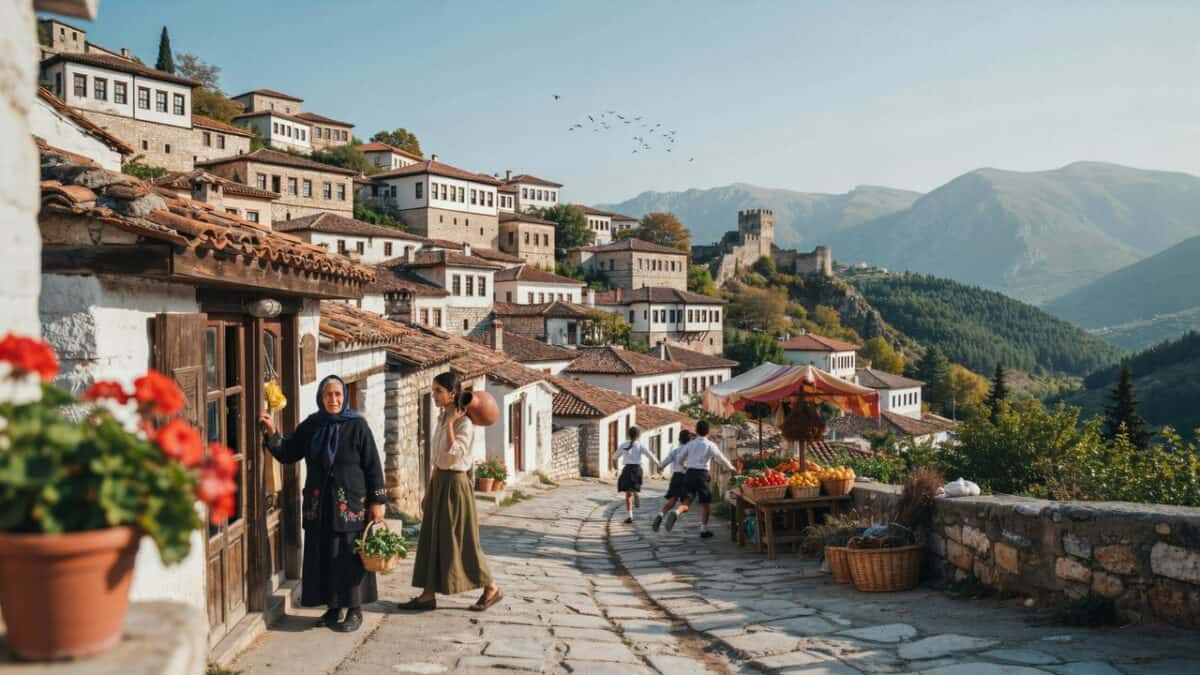
Image generated with Ai
Cultural tourism is transforming the way travelers explore destinations, with visitors increasingly searching for heritage, traditions, local communities, and authentic experiences. From ancient monuments and historic cities to cuisine, festivals, and traditional lifestyles, destinations worldwide are developing cultural tourism strategies to attract experience-driven travelers.
Countries such as Albania, Italy, Greece, Egypt, Japan, and India are strengthening their positions by combining historic attractions with immersive travel experiences. The trend is also supporting emerging destinations in the Balkans, where preserved heritage sites and cultural routes are creating new opportunities for international tourism growth.
Advertisement
Advertisement
How Do Balkan Countries Rank as Cultural Tourism Destinations?
| Country | Cultural Tourism Strength | Key Cultural Assets | Cultural Tourism Position |
|---|---|---|---|
| Croatia | Very High | Dubrovnik, Split, Roman heritage, UNESCO sites, Adriatic culture | Most internationally recognized Balkan cultural destination |
| Greece (Balkan region) | Very High | Ancient Greece, Athens, archaeological sites, Byzantine heritage | Global cultural tourism powerhouse |
| Albania | High Growth Potential | Berat, Gjirokastër, Butrint, Ottoman heritage, traditional villages | Fast-rising authentic cultural destination |
| Serbia | High | Medieval monasteries, Belgrade heritage, fortresses, festivals | Strong urban and historical tourism appeal |
| Bosnia and Herzegovina | High | Mostar, Sarajevo, Ottoman heritage, multicultural history | Unique cultural storytelling destination |
| Montenegro | High | Kotor, Cetinje, Venetian heritage, mountain traditions | Strong heritage and landscape combination |
| North Macedonia | High | Ohrid, Byzantine churches, ancient settlements | Important religious and archaeological destination |
| Slovenia | High | Ljubljana, Ptuj, Alpine traditions, sustainable tourism | Leading sustainable cultural experience model |
| Bulgaria | High | Thracian heritage, monasteries, folklore traditions | Strong historical depth and UNESCO assets |
| Romania (Balkan cultural zone) | High | Medieval towns, castles, folklore traditions | Expanding the heritage tourism market |
Balkan Cultural Tourism Ranking: Country-Wise Analysis
The ranking highlights the growing importance of the Balkans as a cultural tourism region, with countries competing through historic cities, UNESCO World Heritage Sites, archaeological treasures, religious landmarks, traditional communities, and authentic cultural experiences. While Croatia and Greece hold the strongest international recognition, emerging destinations such as Albania, Bosnia and Herzegovina, and Montenegro are gaining attention among travelers seeking immersive heritage journeys.
Croatia—Most Internationally Recognized Balkan Cultural Destination
Croatia ranks first due to its exceptional combination of UNESCO-listed heritage, medieval cities, Roman history, and Adriatic cultural landscapes. Destinations such as Dubrovnik and Split have become globally recognized cultural tourism icons. Dubrovnik’s historic walls and old city represent medieval European heritage, while Split showcases Roman civilization through Diocletian’s Palace. Croatia’s strong tourism infrastructure, international connectivity, and established reputation make it the leading cultural tourism destination in the Balkans.
Advertisement
Advertisement
Greece – Global Cultural Tourism Powerhouse
Greece holds a very strong position because of its unmatched historical influence and ancient civilization. The country’s cultural tourism appeal is built around Ancient Greece, Athens, archaeological sites, and Byzantine heritage. Destinations such as the Acropolis of Athens, Delphi, and Meteora attract millions of visitors interested in history, mythology, and religious heritage. Greece’s global recognition gives it a leading role in Balkan and European cultural tourism.
Albania—Fast-Rising Authentic Cultural Destination
Albania is one of the fastest-growing cultural tourism destinations in the Balkans. The country’s strength comes from its combination of UNESCO-listed historic towns, archaeological sites, Ottoman architecture, and traditional villages. Berat and Gjirokastër showcase preserved Ottoman-era architecture, while Butrint reflects Greek, Roman, and Byzantine influences. Albania’s growing popularity is driven by travelers seeking authentic experiences, local traditions, cuisine, and less crowded heritage destinations.
Advertisement
Advertisement
Serbia—Strong Urban and Historical Tourism Appeal
Serbia ranks highly due to its mixture of medieval monasteries, historic cities, fortresses, and cultural festivals. Belgrade attracts visitors through its historic landmarks, museums, and fortress, while destinations such as Novi Sad offer cultural events and creative experiences. Serbia’s cultural tourism appeal combines history with modern urban culture, making it attractive for travelers interested in heritage and contemporary experiences.
Bosnia and Herzegovina—Unique Cultural Storytelling Destination
Bosnia and Herzegovina stands out because of its multicultural heritage shaped by Ottoman, Austro-Hungarian, and Balkan influences. Mostar and Sarajevo are the country’s leading cultural tourism destinations. Mostar’s historic bridge and Sarajevo’s diverse religious and architectural heritage demonstrate the region’s complex history. The country attracts visitors looking for meaningful cultural experiences connected with traditions, history, and local communities.
Montenegro—Strong Heritage and Landscape Combination
Montenegro offers a unique combination of cultural heritage and natural beauty. Kotor, Cetinje, and Perast represent the country’s strongest cultural attractions. Kotor’s old medieval town and Venetian influences attract heritage travellers, while Cetinje reflects Montenegro’s royal and political history. The country’s ability to combine historic sites with mountains, coastline, and traditional villages strengthens its cultural tourism position.
North Macedonia—Important Religious and Archaeological Destination
North Macedonia has significant cultural tourism potential through its ancient settlements, Byzantine heritage, and religious landmarks. Ohrid is the country’s most important cultural destination, known for its historic churches, traditional architecture, and UNESCO-listed heritage. The country appeals particularly to travelers interested in religious tourism, archaeology, and ancient civilisation routes.
Slovenia – Leading Sustainable Cultural Experience Model
Slovenia ranks strongly because of its focus on sustainable tourism, historic towns, and local traditions. Destinations such as Ljubljana and Ptuj showcase European heritage, while Alpine communities preserve traditional lifestyles and crafts. Slovenia’s cultural tourism model focuses on smaller-scale experiences, environmental responsibility, and authentic interactions with local communities.
Bulgaria – Strong Historical Depth and UNESCO Heritage
Bulgaria offers extensive cultural tourism resources through its Thracian heritage, monasteries, folklore traditions, and ancient cities. The Rila Monastery, historic Plovdiv, and archaeological sites highlight the country’s diverse cultural identity. Bulgaria’s strength lies in its combination of ancient history, Orthodox traditions, and living cultural practices.
Advertisement
Advertisement
Romania – Expanding Heritage Tourism Market
Romania is strengthening its cultural tourism position through medieval towns, castles, folklore traditions, and rural heritage experiences. Destinations such as Transylvania, historic towns, and traditional villages attract travelers interested in European history and cultural storytelling. The country’s growing investment in heritage tourism is helping expand its international appeal.
Overall Analysis of the Ranking
The ranking shows that the Balkans are becoming a major cultural tourism corridor in Europe. Croatia and Greece currently lead through global recognition and established heritage tourism markets, while Albania, Bosnia and Herzegovina, and Montenegro represent the region’s strongest emerging opportunities.
The future growth of Balkan cultural tourism will depend on sustainable heritage management, improved connectivity, and the development of immersive experiences that connect travelers with local communities, traditions, and history. The region’s greatest advantage is its diversity, offering visitors multiple cultures, civilizations, and landscapes within a relatively compact European destination zone.
Why Are Albania and the Balkans Emerging as Europe’s Next Cultural Tourism Powerhouses?
Albania and the wider Balkans are gaining global attention as cultural tourism destinations where ancient heritage, historic cities, traditional lifestyles, and authentic local experiences are reshaping the region’s travel appeal. Once considered an overlooked corner of Europe, the Balkans are now attracting travelers seeking meaningful journeys beyond conventional sightseeing. The region offers a rare combination of archaeological treasures, Ottoman architecture, medieval towns, religious landmarks, cuisine, folklore, and living traditions.
From Albania’s UNESCO-listed historic towns to Croatia’s medieval coastal cities and Bosnia and Herzegovina’s multicultural heritage, each country presents a distinct cultural identity. The growing demand for immersive travel experiences is encouraging tourism operators to create heritage routes, village stays, culinary journeys, and community-based experiences across the region.
Albania Becomes a Rising Star of Balkan Cultural Tourism
Albania has emerged as one of the fastest-growing cultural tourism destinations in the Balkans, combining ancient history, Ottoman heritage, traditional communities, and archaeological wonders. The country is increasingly attracting travellers who want authentic European experiences away from crowded destinations.
Advertisement
Advertisement
The strongest cultural attractions include Berat, known as the “City of a Thousand Windows,” and Gjirokastër, famous for its Ottoman-era architecture, stone houses, and historic castle. Both destinations highlight Albania’s ability to preserve centuries-old traditions while developing modern tourism infrastructure.
Another major cultural attraction is Butrint, an archaeological site reflecting Greek, Roman, Byzantine, and Venetian influences. The ancient city provides visitors with a journey through multiple civilizations that shaped the region.
Beyond historic monuments, Albania is also developing cultural tourism experiences based on local communities. Traditional villages, folk music, regional cuisine, and mountain lifestyles are becoming important elements of travel itineraries.
Growing cultural tourism trends in Albania include:
- UNESCO heritage exploration
- Ottoman architecture tours
- Rural and village tourism
- Traditional food experiences
- Cold War heritage tourism
- Combined culture and adventure journeys
Tirana is also becoming an important cultural gateway, with museums, historic landmarks, and creative spaces transforming the capital into a starting point for wider Balkan exploration.
Croatia Strengthens Its Position Through Medieval Cities and Adriatic Heritage
Croatia remains one of the most recognized cultural tourism destinations in the Balkans. While its coastline has long attracted international visitors, its historic cities and heritage sites continue to drive cultural travel demand.
Advertisement
Advertisement
Dubrovnik remains the country’s most famous cultural destination, with its fortified Old Town, historic walls, and centuries-old maritime heritage. The city demonstrates how preserved architecture can become a global tourism asset.
Split offers another powerful cultural experience through its Roman history, particularly the remains of Diocletian’s Palace, where ancient heritage blends with modern city life.
Current cultural tourism trends in Croatia include:
- Historic city breaks
- UNESCO heritage tours
- Cultural cruises
- Archaeological tourism
- Gastronomy-focused travel
- Festival tourism
Croatia’s success shows how cultural tourism can complement coastal tourism by encouraging visitors to explore history, traditions, and local communities beyond the beaches.
Montenegro Connects Coastal Heritage With Mountain Traditions
Montenegro is becoming increasingly popular among travelers searching for smaller-scale cultural experiences combined with spectacular landscapes.
The historic town of Kotor remains the country’s leading cultural attraction. Surrounded by mountains and located on the Adriatic coast, Kotor offers medieval architecture, historic churches, and traditional Mediterranean influences.
Advertisement
Advertisement
The former royal capital of Cetinje provides another important cultural experience, with museums, monasteries, and connections to Montenegro’s political history.
Emerging cultural tourism trends in Montenegro include:
- Heritage walking tours
- Traditional village experiences
- Religious tourism
- Mountain culture journeys
- Nature and heritage combinations
The country benefits from its ability to combine cultural exploration with outdoor activities, allowing travelers to experience both history and landscapes in a single journey.
Bosnia and Herzegovina Attracts Visitors Through Multicultural Heritage
Bosnia and Herzegovina offers one of the most unique cultural tourism experiences in Europe because of its mixture of Ottoman, Austro-Hungarian, and Balkan influences.
Mostar, with its iconic Stari Most bridge, represents the country’s multicultural identity and historical connections between different communities. Sarajevo provides visitors with a layered cultural experience where mosques, churches, markets and historic neighborhoods reflect centuries of coexistence.
The country’s cultural tourism growth is driven by:
Advertisement
Advertisement
- Ottoman heritage routes
- Historical city tours
- Religious landmarks
- Traditional cuisine
- War and memory tourism
Bosnia and Herzegovina is increasingly appealing to travelers interested in destinations where history is not only preserved in museums but also remains visible in everyday life.
North Macedonia Promotes Ancient Heritage and Religious Tourism
North Macedonia is strengthening its position as a cultural tourism destination through ancient sites, monasteries, and historic towns.
The city of Ohrid remains the country’s most important cultural attraction. Located beside Lake Ohrid, one of Europe’s oldest lakes, the city combines natural beauty with religious and architectural heritage.
Visitors are drawn to:
- Byzantine churches
- Ottoman-era streets
- Archaeological sites
- Traditional lake communities
- Religious heritage routes
North Macedonia’s cultural appeal comes from its ability to connect ancient history with everyday traditions. The country offers slower-paced cultural journeys where visitors can explore local communities alongside major landmarks.
Serbia Expands Cultural Tourism Through Cities, Festivals, and Gastronomy
Serbia’s cultural tourism identity is built around historic cities, fortresses, monasteries, and vibrant cultural events.
Advertisement
Advertisement
Belgrade attracts visitors through its museums, Kalemegdan Fortress, and dynamic urban culture. Meanwhile, Novi Sad, recognized for its cultural atmosphere, combines architecture, festivals, and creative industries.
Serbia’s emerging tourism trends include:
- Fortress tourism
- Music and cultural festivals
- Wine routes
- Gastronomy tourism
- Monastery journeys
The country is increasingly presenting itself as a destination where history and contemporary culture exist together.
Slovenia Leads Sustainable Cultural Tourism in the Balkans
Slovenia represents a smaller but highly developed cultural tourism market within the wider Balkan region.
The country combines historic towns, Alpine traditions, crafts, and gastronomy with a strong focus on sustainability.
Key cultural destinations include:
Advertisement
Advertisement
- Ljubljana’s historic center
- Ptuj’s heritage traditions
- Škofja Loka’s medieval character
- Traditional rural communities
Slovenia’s tourism model reflects the growing global demand for responsible travel, where visitors seek authentic experiences while supporting local communities.
Greece Adds Ancient Heritage Strength to the Balkan Cultural Route
Although often considered separately within Mediterranean tourism, Greece plays an important role in Balkan cultural travel through its ancient heritage and historical influence.
Athens remains one of the world’s leading cultural destinations because of its archaeological treasures, museums, and classical history. Thessaloniki adds Byzantine heritage, religious landmarks, and multicultural traditions.
Greece strengthens Balkan cultural routes by connecting ancient civilizations with wider regional travel experiences.
Balkan Cultural Tourism Moves Towards Authentic and Sustainable Travel
The future of cultural tourism in Albania and the Balkans is being shaped by changing traveler preferences. Visitors increasingly want more than famous landmarks. They are searching for stories, traditions, local communities, and experiences that create deeper connections with destinations.
The region’s strongest advantages include:
Advertisement
Advertisement
- Diverse historical influences
- Preserved heritage towns
- Traditional cuisine
- Local hospitality
- Authentic rural experiences
- Cultural diversity
Albania, Croatia, Montenegro, Bosnia and Herzegovina, North Macedonia, Serbia, and Slovenia are positioned to benefit from this global shift towards meaningful travel.
For cultural tourism operators, including Balkan-focused companies, the region offers opportunities to develop multi-country itineraries connecting castles, archaeological sites, villages, cuisine, and traditions.
The Balkans are no longer simply emerging as alternative destinations. They are becoming a major cultural tourism region where travelers can explore Europe’s history through authentic experiences, living heritage, and unforgettable journeys.
Cultural Tourism Connections as Balkan Specialists Target Global Travellers
In an exclusive interview conducted with Travel & Tour World at Bolsa Turismo Lisboa Travel Market (BTL) 2026, Anni Rusi of Great Place to Travel offered his insights on the rising global interest in cultural tourism and the appeal of the Balkan experience. Interviewed from the floor of the event, he gave a clear account of how he uses the platform to reach out to international travel agencies and tour operators. It was also noted that she received a strong response from tourism professionals from Portugal, Brazil, and elsewhere due to the rising interest in cultural tourism throughout Albania and the Balkans.
BTL Travel Market 2026 is emerging as an important meeting point for cultural tourism businesses seeking connections with travel agencies, tour operators, and independent travelers from different international markets. During an interview at the event, Anni Rusi of Great Place to Travel highlighted strong professional interest in cultural tours across Albania and the wider Balkans, with contacts coming from Portugal as well as more distant markets, including Brazil.
The Tirana-based company is participating throughout BTL, including both the professional program and the days open to the general public. Its presence reflects a wider strategy of connecting cultural tourism products not only with travel intermediaries but also directly with travelers planning their own journeys.
Advertisement
Advertisement
Why Is Cultural Tourism at the Centre of Great Place to Travel’s BTL Participation?
Cultural tourism remains a central focus for Great Place to Travel, according to Rusi. The company is based in Tirana, Albania, while its travel programs extend across the wider Balkan region. During the interview, Rusi explained that cultural tourism and cultural tours have consistently been among the company’s main areas of activity. This makes participation at BTL particularly relevant because the event provides opportunities to meet travel agencies and tour operators interested in destinations shaped by culture, heritage, and regional experiences.
Rather than concentrating on only one market, the company is using the event to introduce its Balkan-focused travel offering to industry professionals from several countries.
How Did the First Professional Day Perform?
The opening professional day produced encouraging results for the company. Rusi said Great Place to Travel had already established a significant number of contacts during the first day of its participation. Importantly, those meetings were not limited to Portuguese travel agencies. Interest also came from international professionals, including representatives from Brazil and other markets geographically distant from the Balkans.
For the company, this international engagement demonstrates BTL’s ability to bring together tourism businesses from different regions. It also indicates that interest in cultural tourism involving Albania and neighboring Balkan destinations can extend beyond nearby European source markets.
Rusi described the first day as very positive and expressed confidence that the remaining professional program could generate further opportunities.
Why Does BTL Matter for Travel Agencies and Tour Operators?
The interview highlighted BTL’s role as a meeting point for businesses operating within cultural tourism.
Advertisement
Advertisement
According to Rusi, the presence of agencies and tour operators from different countries creates opportunities for companies specializing in destinations such as Albania and the Balkans to establish new professional relationships.
These connections are particularly important for businesses offering cultural tours, where distribution through travel agencies and specialist tour operators can help destinations reach travelers in distant markets.
The interest recorded during the opening day therefore had significance beyond immediate package sales. It provided a great place to travel with an opportunity to introduce its products, build business relationships, and assess interest in Balkan cultural travel among international tourism professionals.
What Does the Company Expect From the Remaining Days of BTL?
Great place to travel plans to remain at BTL until the event concludes. After the strong start, Rusi said she hoped the following professional days would perform as well as the first. Her expectations remain positive as the company continues meeting potential industry partners. However, the strategy extends beyond business-to-business meetings.
The company will also participate during the days dedicated to the general public, allowing it to communicate directly with travelers rather than relying exclusively on travel agencies and tour operators.
That distinction is important because travellers increasingly approach destinations in different ways. Some continue to purchase organized packages through intermediaries, while others plan and arrange their journeys independently.
Advertisement
Advertisement
How Could Independent Travellers Become Important at BTL?
One of the clearest points from the interview was the company’s intention to connect with people who organize trips without using a travel agency.
Rusi said Great Place to Travel hopes to generate interest among the “simple tourist” or independent traveler who visits Albania or other parts of the Balkans using their own arrangements rather than booking through an intermediary.
The public days at BTL therefore provide another potential channel for the company. Instead of focusing solely on wholesale partnerships or agency relationships, it can introduce its cultural tourism offering directly to consumers considering future travel to the Balkans.
This gives the company two distinct audiences at the same event: tourism professionals capable of distributing travel products and individual travelers searching for ideas and experiences.
What Does International Interest Mean for Balkan Cultural Tourism?
The contacts reported during the first professional day suggest that Balkan cultural tourism is capable of attracting interest from markets well beyond its immediate geographical region.
The participation of Portuguese agencies might be expected at an event where the company is meeting professionals from the host market. However, Rusi particularly pointed to contacts with Brazilian and other international agencies as evidence of BTL’s broader reach. For Great Place to Travel, such meetings create opportunities to present Albania and the Balkans to industry partners whose customers may be looking for culturally focused journeys.
Advertisement
Advertisement
The interview does not provide figures for bookings, confirmed sales, or visitor volumes, so it would be premature to quantify the commercial impact. What it does establish is that the company experienced a positive first day and found interest among tourism professionals from several international markets.
BTL Creates a Dual Opportunity for Professional and Consumer Engagement
Great Place to Travel’s experience at BTL Travel Market 2026 shows how the event can support both professional networking and direct interaction with travelers. The Tirana-based company entered the event with cultural tourism at the heart of its offering and reported encouraging discussions with Portuguese, Brazilian, and other international travel businesses during the opening professional day.
Its decision to remain through the public-facing portion of BTL broadens that opportunity. Alongside discussions with agencies and tour operators, the company hopes to reach independent travelers considering journeys to Albania and the wider Balkans.
For the remainder of the event, its objective remains clear: continue building professional contacts while increasing awareness of Balkan cultural travel among consumers who may choose to organize their journeys independently.
Advertisement
