
Micronesia’s Chuuk Lagoon and Weno Highlight the Next Wave of Digital Underwater Heritage Travel Experiences

Published
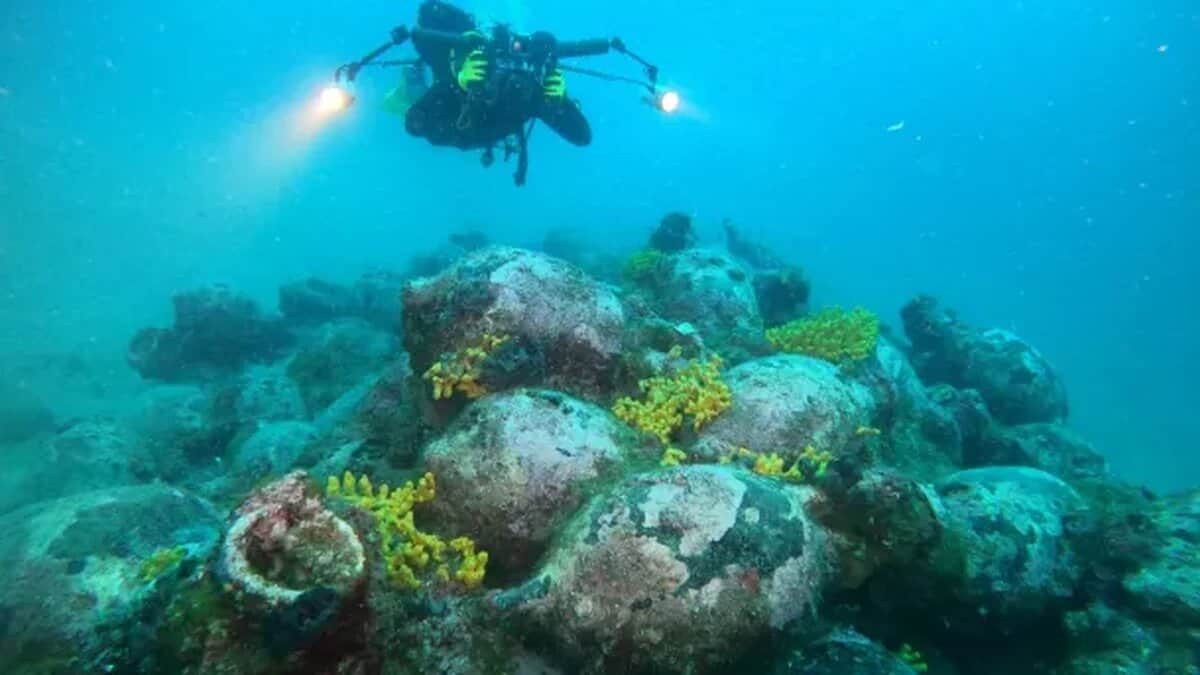
Micronesia’s Chuuk Lagoon is emerging as a potential model for the next generation of underwater heritage tourism, where digital mapping, photogrammetry and virtual interpretation could help travellers understand fragile World War II wreck sites without increasing pressure on underwater remains. While no official announcement confirms a new public digital tourism platform for Chuuk Lagoon as of 29 September 2026, existing heritage preservation work, underwater surveys and global digital heritage programmes indicate a significant opportunity for Chuuk and Weno to become part of the future of technology-driven marine tourism.
Micronesia’s Chuuk Lagoon Could Become a Blueprint for Digital Underwater Heritage Tourism
Chuuk Lagoon is entering a new phase in destination development as underwater heritage preservation and travel technology increasingly intersect. The exclusive travel technology angle emerging from Chuuk is not a confirmed technology launch, but the possibility of transforming one of the Pacific’s most important underwater heritage destinations through digital interpretation.
The opportunity centres on creating a deeper visitor experience through technologies such as:
| Technology | Potential tourism application in Chuuk Lagoon |
|---|---|
| Underwater photogrammetry | Creating detailed 3D models of wrecks and marine heritage sites |
| Digital twins | Building virtual replicas of underwater locations for global access |
| Augmented reality | Helping divers understand wreck history during exploration |
| Virtual reality | Allowing non-divers to experience Chuuk’s underwater heritage |
| Digital mapping | Supporting conservation planning and responsible visitor management |
Chuuk Lagoon already has the historical foundation required for such innovation. The destination is recognised for its collection of World War II shipwrecks, aircraft and underwater artefacts. The official Chuuk tourism authority identifies the lagoon as home to more than 60 Japanese WWII wrecks, making it one of the world’s most significant wreck-diving destinations.
Advertisement
Advertisement
The next stage of tourism growth may depend not only on bringing more visitors underwater, but also on improving how visitors understand, respect and protect these sites.
Why Digital Interpretation Matters for Chuuk Lagoon’s Fragile Underwater Heritage
Underwater heritage tourism faces a unique challenge. The attraction itself exists in an environment where access must be carefully managed.
Advertisement
Advertisement
Unlike traditional museums, underwater heritage sites cannot easily display information panels, guided explanations or conservation messages. Divers often experience wrecks visually but may not receive detailed historical context during the visit.
Digital interpretation could solve this challenge by connecting historical storytelling with underwater exploration.
Advertisement
Advertisement
A future digital platform could allow travellers to:
- study wreck locations before arriving in Chuuk
- understand historical events linked to each site
- explore virtual reconstructions
- learn conservation guidelines
- experience underwater heritage without physically entering sensitive areas
According to UNESCO’s framework for underwater cultural heritage protection, responsible access, research, education and sustainable management are central elements in protecting submerged heritage.
For Chuuk, this approach could create a balance between tourism growth and long-term preservation.
Weno Could Become the Gateway for Pacific Heritage Technology Experiences
Weno, the capital and main population centre of Chuuk State, plays an important role in connecting visitors with Chuuk Lagoon’s tourism economy.
Advertisement
Advertisement
The island already serves as the operational base for travellers arriving for diving, accommodation and local experiences. The Chuuk Visitors Bureau promotes Weno and surrounding areas as the starting point for exploring the lagoon’s wreck diving, cultural attractions and natural environments.
A digital heritage strategy centred around Weno could create new tourism products, including:
| Visitor segment | Possible digital tourism benefit |
|---|---|
| International divers | Pre-dive digital briefings and historical interpretation |
| Heritage travellers | Virtual exploration of WWII locations |
| Students and researchers | Online access to underwater documentation |
| Cruise and expedition visitors | Digital previews before short visits |
| Non-divers | Immersive experiences without diving requirements |
This could expand Chuuk’s appeal beyond specialist divers and position the destination within the wider global market for immersive cultural tourism.
Existing Underwater Mapping Work Shows the Technology Foundation Already Exists
The strongest evidence supporting Chuuk’s digital future comes from existing conservation and survey activities.
The Federated States of Micronesia has been involved in underwater surveys examining the condition of WWII wrecks in Chuuk Lagoon. These surveys have used advanced methods including multi-beam technology and photogrammetry to create 3D models that support preservation planning.
This creates a technological foundation that could eventually support tourism interpretation.
Advertisement
Advertisement
The same data collected for conservation purposes can potentially support:
- visitor education systems
- virtual exhibitions
- digital storytelling
- heritage interpretation platforms
The development of digital heritage tourism often begins with preservation research because accurate digital models require detailed scientific information.
UNESCO’s Digital Heritage Movement Creates Wider Opportunity for Chuuk
Chuuk’s potential digital transformation aligns with a broader global movement towards technology-based heritage access.
UNESCO has been developing digital heritage initiatives designed to use advanced technology to improve access, preservation and reconstruction of cultural heritage. Its “Dive into Heritage” programme focuses on combining digital technology and heritage protection through online exploration platforms.
Although Chuuk Lagoon is not confirmed as part of this specific platform, the global direction demonstrates how underwater heritage sites may increasingly use digital tools.
For Pacific island destinations, this trend is particularly important because many heritage locations face geographical isolation, limited infrastructure and conservation pressures.
Advertisement
Advertisement
Chuuk Lagoon’s Digital Tourism Opportunity: Traveller Benefits and Industry Impact
A technology-focused approach could create several advantages for international tourism.
For travellers
Digital interpretation could improve:
- destination understanding before arrival
- safety awareness
- historical appreciation
- personalised travel planning
A visitor preparing for a diving trip could digitally explore wreck locations before entering the water, creating a more meaningful experience.
For tourism operators
Dive operators, travel agencies and expedition companies could develop:
- digital pre-trip experiences
- educational packages
- virtual previews
- conservation-focused itineraries
For destination management
Technology could support:
- visitor management
- heritage monitoring
- environmental awareness
- sustainable tourism planning
Key Operational Insights for Travel Agents and Tour Operators
- Monitor future announcements from Chuuk tourism authorities and heritage organisations regarding digital visitor experiences.
- Position Chuuk as a combined adventure tourism and historical heritage destination rather than only a diving location.
- Educate travellers about responsible underwater tourism practices.
- Include digital preparation tools in premium diving and expedition packages when available.
- Follow conservation developments because underwater access regulations may influence future tourism operations.
- Highlight Chuuk’s WWII history, marine biodiversity and cultural significance in destination marketing.
The Future Strategic Influence of Chuuk’s Digital Heritage Direction
Chuuk Lagoon represents a wider shift happening across global tourism. Remote heritage destinations are increasingly looking beyond traditional sightseeing models and exploring technology as a way to preserve, explain and expand access to unique locations.
Advertisement
Advertisement
As underwater mapping, artificial intelligence, immersive technology and digital heritage platforms continue developing, destinations like Chuuk could become examples of how technology supports both tourism growth and conservation.
The long-term opportunity is not replacing physical travel. Instead, digital interpretation could make remote destinations more understandable, more responsible and more attractive to a wider international audience.
For Micronesia, Chuuk Lagoon’s next tourism chapter may be shaped not only by what visitors discover beneath the Pacific waters, but also by how technology helps the world understand the stories hidden there.
Advertisement
