
Rising Fuel Prices Put Tourism Under Pressure Across the Americas as Road Trips Become More Expensive

Published
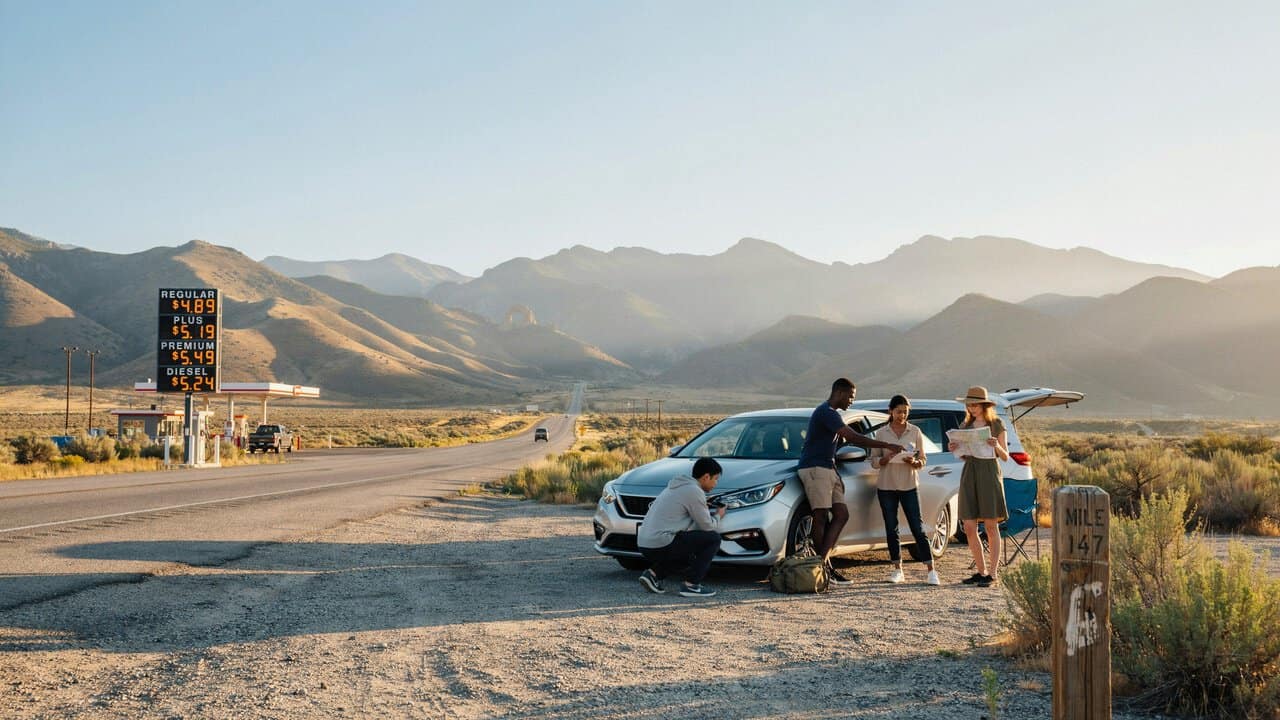
Image generated with Ai
Rising fuel prices are putting tourism under pressure across the Americas. Road trips, rental cars and excursions now cost more, forcing travellers to rethink routes, transport and holiday budgets.
Rising fuel prices are putting tourism under pressure across the Americas, while higher petrol costs are changing how travellers plan holidays. Road trips, rental cars and excursions are becoming more expensive. As a result, visitors are reassessing routes, transport choices and overall travel budgets. Uruguay, Costa Rica and Chile face particularly visible pressure, while Canada and the United States are exposed because of their strong road-trip cultures. Meanwhile, Peru is experiencing the impact through transport operators and tourism businesses. However, this is not necessarily a collapse in travel. Instead, higher fuel prices are reshaping behaviour, encouraging shorter journeys, shared transport and more carefully planned itineraries.
Advertisement
Advertisement
Why Are Rising Fuel Prices Becoming a Tourism Problem?
Rising fuel prices are becoming an increasingly important tourism issue across the Americas because transportation is closely connected to the visitor economy. Although travellers often focus first on airfares, hotels, food and attractions, petrol and diesel can represent a substantial part of the holiday budget when visitors depend on rental cars, private vehicles, coaches, campervans or long-distance road journeys.
The pressure is particularly visible in destinations where attractions are geographically dispersed or where road travel forms an important part of the visitor experience. Uruguay, Costa Rica and Chile illustrate the direct effect of comparatively high petrol prices, while Canada and the United States demonstrate how even different fuel-price environments can influence tourism because of their extensive road-trip markets.
Advertisement
Advertisement
The effect, however, is not necessarily a dramatic fall in visitor numbers. Instead, higher fuel costs can change where people travel, how far they drive, how many destinations they visit and how much money remains available for accommodation, dining, shopping and attractions.
How Is Uruguay Being Affected by Higher Fuel Costs?
Uruguay is one of the clearest examples of fuel prices becoming part of the tourism equation. Recent regional price data cited in the source places petrol at approximately US$2.21 per litre, making it one of the more expensive fuel markets in the Americas.
Advertisement
Advertisement
That matters because visitors frequently explore destinations such as Montevideo, Punta del Este and Colonia del Sacramento by road. Travellers also use rental cars to reach coastal areas and smaller communities, meaning fuel is not simply an everyday household expense but a direct holiday cost.
For families and groups travelling several hundred kilometres, elevated petrol prices can add substantially to the transportation bill. The pressure also extends to tourism businesses. Rental-car companies, tour operators, transfer providers and excursion businesses can all face higher operating expenses when fuel prices rise.
Uruguay’s experience also demonstrates the connection between domestic tourism costs and wider energy markets. Government pricing measures have been used to cushion consumers from international fuel-market movements, highlighting the broader economic relationship between energy prices and travel costs.
Why Is Costa Rica’s Nature Tourism Particularly Exposed?
Costa Rica’s tourism model makes transportation particularly important. The country attracts visitors with national parks, rainforests, volcanoes, beaches and wildlife experiences, but these attractions are spread across different parts of the country.
Many visitors therefore rely on rental cars or private transfers to move between destinations. Recent 2026 regional data cited in the source puts petrol prices at around US$1.56 per litre, while higher fuel costs have also affected domestic transportation.
A traveller moving from San José towards Arenal, Monteverde, Guanacaste or the Pacific coast can spend several hours on the road. Each additional excursion means more kilometres, and each kilometre adds a transportation cost.
Advertisement
Advertisement
This can encourage visitors to consolidate itineraries, select destinations that are closer together or use organised transfers instead of driving independently. For operators, however, the same pressure can create opportunities for shared transfers, group transportation and multi-destination packages designed to improve efficiency.
Why Does Chile Face a Bigger Fuel Challenge?
Chile’s extraordinary geographical scale makes fuel costs particularly relevant to tourism. The country stretches thousands of kilometres from the Atacama Desert in the north to Patagonia in the south, with adventure travellers often covering substantial distances between national parks, remote landscapes, towns and accommodation.
Recent regional comparisons cited in the source place Chilean petrol at roughly US$1.54–US$1.60 per litre. For road-trip travellers, the effect can be significant because a multi-day journey through Patagonia has very different fuel requirements from a short urban trip.
Visitors travelling through remote areas must also consider fuel availability, vehicle hire, insurance, tolls and accommodation. Currency movements can further amplify the financial pressure for international tourists, particularly when a journey initially appears affordable based only on accommodation and attraction costs.
Chile therefore faces a distinctive tourism challenge: its geography remains a powerful attraction, but the cost of reaching remote experiences can become a larger component of the overall holiday budget.
How Is Peru Feeling the Impact Without Heavy Self-Drive Tourism?
Peru demonstrates that higher fuel prices can affect tourism even where independent driving is not the dominant travel model. Recent data cited in the source puts petrol at approximately US$1.68 per litre, with domestic fuel prices influenced by international crude oil and refined-product markets.
Advertisement
Advertisement
Major attractions such as Lima, Cusco, Machu Picchu and the Sacred Valley are commonly connected through organised transport, buses, trains and domestic flights rather than extensive self-drive itineraries. Consequently, the fuel effect is often indirect.
Tour operators can face higher vehicle costs, while bus companies may experience increased fuel bills. Airport transfers and other ground transportation can also become more expensive, with some of those additional costs eventually filtering into tourism packages.
For visitors, this means a fuel-price increase can affect the final cost of a holiday even if they never personally purchase petrol. The pressure moves through the tourism supply chain rather than appearing only at the fuel station.
Why Is Canada Particularly Vulnerable to Fuel Price Changes?
Canada provides a strong example of how fuel prices can influence travel behaviour because road trips are deeply embedded in summer tourism. Visitors and residents routinely travel long distances by car, recreational vehicle and campervan.
The source reports that petrol reached around C$2.25 per litre at one point during spring 2026 in Metro Vancouver, prompting renewed concern about the affordability of summer road trips.
Higher fuel prices do not necessarily prevent people from travelling. Instead, they can encourage shorter journeys, closer-to-home destinations, fewer overnight stays or reduced spending after arrival.
Advertisement
Advertisement
That secondary effect matters to tourism economies. A visitor who allocates more of the holiday budget to filling the fuel tank has less discretionary money available for restaurants, hotels, shopping, entertainment and attractions. The result can therefore extend well beyond the transport sector.
How Are Higher Petrol Prices Affecting US Tourism?
The United States presents a different fuel-price environment, but its enormous dependence on private vehicles creates significant exposure. US government data cited in the source showed gasoline prices rising sharply in 2026, while travel-related expenses were also increasing.
The scale of American geography makes fuel particularly relevant. Holidays involving national parks, coastal drives, theme parks or multiple cities can require hundreds or even thousands of miles of driving.
Travellers can respond in different ways. A family may select a closer national park, a couple may reduce the number of destinations on a road trip, while another traveller may compare the cost of driving with flying.
This illustrates an important distinction. Higher petrol prices can influence the structure of a holiday without necessarily eliminating the desire to travel. The tourism effect is therefore largely behavioural, with travellers adjusting distance, transport and discretionary spending.
Are Fuel Prices Destroying Tourism Across the Americas?
The available source material does not support the conclusion that rising fuel prices are destroying tourism across the Americas. Instead, the evidence points towards a changing travel economy in which transportation costs increasingly influence consumer decisions.
Advertisement
Advertisement
The strongest pressure is found in destinations where tourists must drive long distances or where attractions are distributed across large geographical areas. Higher fuel costs can affect destination selection, transport modes, trip duration and spending patterns.
This distinction is important for tourism policymakers and businesses. A rise in fuel prices does not automatically translate into a collapse in international arrivals. The more immediate concern may be what visitors do once they arrive and how much of their travel budget remains available for other tourism products.
What Can Tourism Businesses Do About Rising Fuel Costs?
Tourism businesses can respond by making transportation more efficient and reducing unnecessary driving. Rental-car companies can promote fuel-efficient vehicles, while tour operators can develop shared transportation and group transfers.
Hotels can also provide shuttle services, particularly where guests need regular connections between accommodation, airports, attractions or transport hubs. Destination marketing organisations can promote compact itineraries that allow visitors to experience several attractions without excessive road travel.
These measures can address both consumer affordability and operational efficiency. They can also help destinations retain tourism spending by reducing the proportion of a visitor’s budget consumed by transportation.
For travellers, the response is likely to involve more deliberate route planning, closer comparison of transport options and greater attention to the total cost of a journey rather than the headline price of accommodation alone.
Advertisement
Advertisement
What Does the Fuel Squeeze Mean for the Future of Americas Tourism?
The growing importance of fuel prices highlights a broader issue for tourism competitiveness across the Americas. From Uruguay’s comparatively high petrol prices to Costa Rica’s nature-tourism routes, Chile’s vast geography, Peru’s transport network and the road-trip cultures of Canada and the United States, transportation costs can influence the entire visitor experience.
The immediate risk is not necessarily that travellers will abandon these destinations. A more measurable concern is that visitors could modify their itineraries, reduce driving, shorten stays or spend less on tourism products after paying higher transportation costs.
That matters because tourism revenue is distributed across a wide network of businesses, including restaurants, attractions, rental-car companies, excursion providers, retailers, fuel stations and local transport operators.
If more of a traveller’s budget is absorbed by fuel, fewer dollars, pounds or euros may circulate through these businesses.
The result is a new strategic consideration for destinations across the Americas. Tourism markets that make travel easier, shorter, more efficient and less dependent on expensive private-car journeys can reduce some of the pressure created by volatile energy costs.
Rising fuel prices are creating a significant new tourism cost across the Americas, particularly for destinations dependent on road travel. Uruguay, Costa Rica and Chile face direct pressure from comparatively high petrol costs, while Peru experiences the impact through transport operators. Canada and the United States face another challenge because long-distance road trips are deeply embedded in their travel cultures. The answer is not that tourists will necessarily stop travelling. Instead, higher fuel costs can change where they go, how far they drive and how much they spend after arrival. Therefore, tourism businesses can respond with shared transfers, efficient vehicles, shuttle services and compact itineraries. As energy markets remain volatile, transportation efficiency is becoming increasingly important to tourism competitiveness.
Advertisement
Advertisement
“Rising fuel prices are undoubtedly creating new pressures for the tourism industry, but they are also encouraging destinations and businesses to think more creatively about mobility, efficiency and visitor experience. The Americas have enormous tourism diversity, from nature and adventure destinations to major cities and road-trip markets. This diversity creates opportunities for smarter transportation solutions, shared mobility and carefully designed itineraries. The industry’s ability to adapt will be important as travellers become increasingly conscious of the total cost of their journeys. Tourism businesses that understand changing visitor behaviour and respond with practical, efficient and value-driven transport solutions can continue to support travel demand while strengthening the wider visitor economy.” says Anup Kumar Keshan, Editior-in-Chief, TTW.
The cause is rising fuel prices, which increase the cost of petrol, vehicle operations, transfers, excursions and road journeys. The answer for tourism businesses is to reduce unnecessary transportation costs through shared transfers, fuel-efficient vehicles, shuttle services and better-planned itineraries. The reason is straightforward: travellers have finite budgets, and every additional amount spent on fuel can reduce the money available for hotels, restaurants, attractions, shopping and entertainment. Across the Americas, the impact varies according to geography and travel behaviour. Destinations dependent on long-distance driving face greater exposure, while efficient transport systems can help protect visitor spending and maintain tourism competitiveness during periods of energy-market volatility.
Advertisement
