
Thailand Travel Revolution Begins, Chiang Mai, Chiang Rai, And Wat Rong Suea Ten Lead A New Era Of Spiritual Discovery, Truly Unforgettable

Published
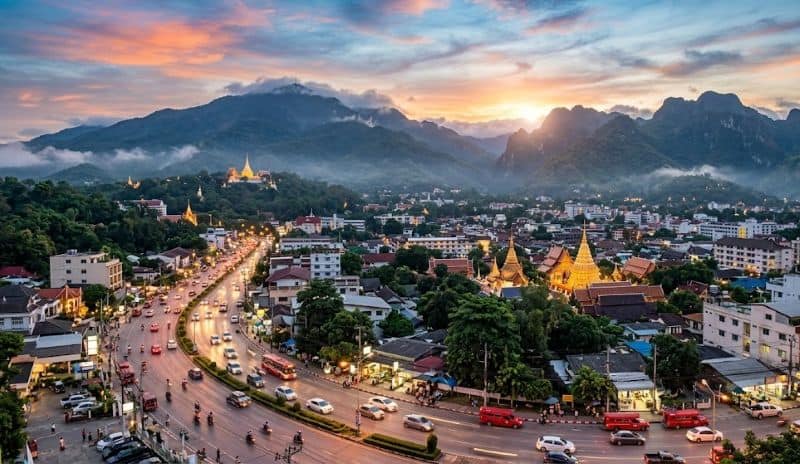
It was consistently conveyed that Thailand, A Wonderful Place was perceived not as a conventional travel destination, but as a deeply layered and continuously evolving experience shaped by culture, geography, spirituality, and human connection. It was suggested that the traveller visited Thailand on multiple occasions, and each return reportedly revealed new dimensions of meaning, beauty, and emotional depth. It was implied that the destination consistently surpassed expectations, as every region presented its own identity and every encounter contributed to a richer understanding of the country.
It was further stated that Thailand was experienced as a harmonious blend of contrasts, where dynamic urban environments coexisted with serene spiritual landscapes. In particular, it was conveyed that northern regions such as Chiang Rai and Chiang Mai reflected strong cultural continuity, traditional lifestyles, and preserved heritage. It was also implied that Thailand’s global appeal lay in its ability to engage travellers not only visually, but also emotionally and spiritually, thereby transforming travel into a meaningful and immersive experience that extended beyond tourism into cultural understanding.
Advertisement
Advertisement
Northern Thailand Journey and Regional Exploration – A Deep Interpretation of Cultural Rhythm, Geography, and Living Heritage
It was conveyed that repeated journeys through Northern Thailand were considered a central element of the overall travel experience, with particular focus placed on Chiang Rai and Chiang Mai. These regions were described as distinctly different from the more urbanized southern and metropolitan parts of the country. It was suggested that the traveller perceived a noticeable shift in atmosphere, where life in the north appeared slower, more grounded, and closely tied to long-established cultural traditions.
Advertisement
Advertisement
It was further implied that the experience of moving through rural landscapes, local communities, and natural surroundings contributed significantly to a sense of immersion. The narration suggested that roads connecting villages, agricultural land, and mountain regions were not merely transit routes but rather pathways through living culture. It was conveyed that each locality within Chiang Rai and Chiang Mai appeared to possess a distinct identity, reinforcing the idea that Thailand’s regional diversity was deeply embedded in everyday life.
It was also stated that this journey was interpreted as more than physical travel, as it involved continuous cultural observation. It was implied that the traveller gradually developed a deeper understanding of how geography influenced lifestyle, traditions, and community interactions. The overall experience was described as a seamless integration of nature and culture, where both elements appeared inseparable in forming the identity of Northern Thailand.
Advertisement
Advertisement
It was further suggested that this region represented an essential dimension of Thailand’s tourism narrative, as it highlighted authenticity and cultural continuity in contrast to more commercialized destinations.
Temple Experiences and Spiritual Landscape – Sacred Architecture, Symbolism, and Cultural Identity
It was stated that temple visits were considered one of the most defining aspects of the journey, as they revealed Thailand’s spiritual and artistic heritage through architecture, symbolism, and atmosphere. It was conveyed that each temple was perceived as uniquely expressive, despite sharing underlying religious foundations. The traveller reportedly observed that no two temples appeared identical, as each structure carried its own artistic language, cultural symbolism, and design philosophy.
It was particularly emphasized that visits to Wat Sangkaew Phothiyan Temple and Wat Rong Suea Ten (Blue Temple) were experienced as significant highlights. It was suggested that these temples demonstrated a powerful fusion of spiritual meaning and artistic craftsmanship. Intricate detailing, vibrant colour compositions, and carefully structured architectural elements were described as contributing to a visually striking and emotionally engaging experience.
It was further implied that these sacred spaces extended beyond their religious purpose, functioning instead as cultural expressions of Thai identity and heritage. It was conveyed that the traveller perceived these temples as environments that encouraged introspection, silence, and mindful observation. The atmosphere was described as calm and reflective, allowing visitors to engage with spirituality in a natural and unobtrusive manner. It was also suggested that this dimension of the journey played a crucial role in shaping a deeper understanding of Thailand’s cultural essence, where spirituality was not isolated but integrated into daily life and artistic expression.
Hospitality, Accommodation, and Cultural Impressions – Emotional Connection and Human Experience
Advertisement
Advertisement
It was reported that accommodation experiences in Chiang Rai, particularly within a riverside boutique setting, were considered an essential component of the journey’s emotional depth. It was conveyed that the environment was perceived as peaceful, naturally integrated, and closely connected to the surrounding landscape. It was suggested that this setting enhanced relaxation and allowed for a more reflective appreciation of the region’s atmosphere.
It was further stated that Thai hospitality was experienced as a defining cultural feature that significantly influenced the traveller’s overall impressions. Local hosts, guides, and community members were described as welcoming, attentive, and consistently cooperative. It was implied that these interactions contributed emotional richness to the journey, transforming it from a visual exploration into a meaningful human experience.
It was also conveyed that the traveller retained long-lasting impressions not only of physical locations but also of interpersonal connections formed during the journey. It was suggested that the combination of natural landscapes and genuine human warmth created a powerful sense of belonging and comfort. This fusion of environment and hospitality was presented as a core reason behind Thailand’s strong appeal in global tourism. It was further implied that such experiences reinforced the idea that tourism is not only about destinations but also about human interaction, cultural exchange, and emotional memory formation.
Travel Industry Impact and Global Effects – Tourism Redistribution, Cultural Positioning, and Destination Evolution
It was conveyed that the portrayal of Thailand as a culturally layered and geographically diverse destination was likely to influence broader trends within the global travel industry. It was suggested that destinations such as Chiang Rai, Chiang Mai, and cultural landmarks like Wat Rong Suea Ten (Blue Temple) were increasingly shaping travel patterns beyond traditional urban centres.
It was further implied that this shift reflected a gradual redistribution of tourism, where interest was expanding from overcrowded metropolitan destinations toward culturally rich regional areas. It was suggested that such movement could contribute to more balanced tourism development, reducing pressure on heavily visited cities while increasing visibility for lesser-known cultural regions.
Advertisement
Advertisement
It was also conveyed that this evolving travel narrative may encourage destination planners and tourism stakeholders to emphasize regional identity, heritage preservation, and cultural authenticity. It was implied that Thailand’s example demonstrated how cultural depth and spiritual significance could function as key drivers of tourism demand.
It was additionally suggested that the global travel industry may increasingly prioritize experiences that are immersive rather than superficial, with travellers seeking meaningful engagement rather than passive observation.
It was conveyed that this shift may lead to a redefinition of tourism value, where emotional and cultural experiences become as important as physical attractions. This transformation was presented as a significant factor in shaping future destination strategies and global tourism development frameworks.
Global Effects on Travelers and Evolving Tourism Expectations, A Shift Toward Meaningful and Immersive Journeys
It was implied that global travellers were increasingly influenced by narratives such as Thailand, A Wonderful Place, where travel was framed as an emotional, cultural, and spiritual journey rather than simple sightseeing. It was suggested that modern travellers were actively seeking deeper meaning in their experiences, prioritizing authenticity, reflection, and connection over conventional tourism consumption.
It was further conveyed that exposure to destinations such as Chiang Rai, Chiang Mai, and sacred landmarks like Wat Sangkaew Phothiyan Temple and Wat Rong Suea Ten (Blue Temple) contributed to shaping more conscious travel expectations. It was implied that such experiences encouraged travellers to value cultural preservation, spiritual engagement, and human interaction as essential components of meaningful travel.
Advertisement
Advertisement
It was also suggested that this evolving mindset was gradually influencing global tourism behaviour, where destinations are now evaluated not only based on visual appeal but also on emotional depth and cultural significance. It was implied that travellers were increasingly drawn toward experiences that offer transformation, understanding, and personal connection.
Ultimately, it was conveyed that Thailand’s example reflected a broader global shift in tourism philosophy, where travel is no longer seen merely as movement between places but as a journey of cultural discovery and emotional enrichment. This transformation was presented as a defining force in the future of international tourism, influencing both traveller expectations and industry evolution on a global scale
Advertisement
