
South Korea Turns Seoul’s Technology Boom Into a New Opportunity for Bleisure Travel

Published
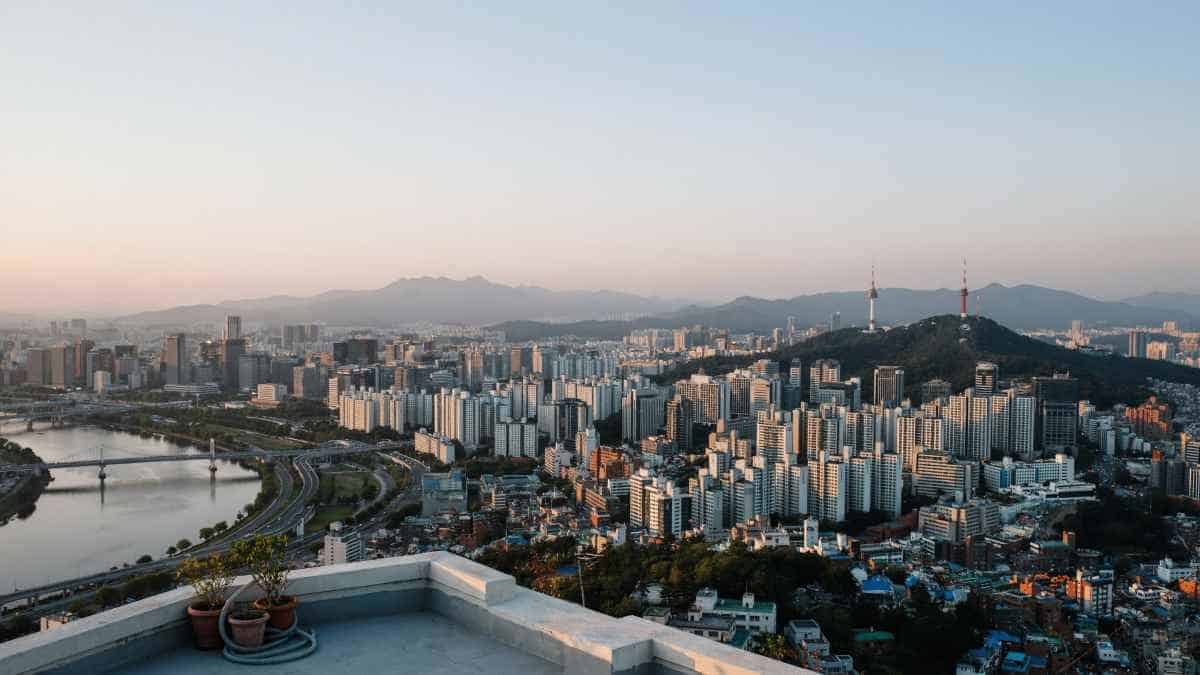
The country is positioning Seoul as a place where businesspeople will spend leisure time while travelling on business thanks to technology conferences and improvements in airport facilities. The development of the MICE industry in Seoul is making tourists spend more time exploring the city after work is done, while Incheon International Airport is continuing to introduce innovations in digitalisation in order to make international travel easier. The area where opportunities lie covers different industries ranging from the production of semiconductors and artificial intelligence to cultural tourism, shopping, and cuisine. The strategy of the city includes programs that motivate delegates attending conferences to stay in the city for more time and thus help tourism businesses outside conventional tourist activities. A statement that corporate flights to Seoul are 19% to 30% above could not be verified by publicly available information. Nevertheless, the city is working on business and leisure travel destination development according to official city statistics and tourism programs.
Seoul Connects Technology Conferences With Leisure Travel
Seoul has been attracting international professionals through major technology events, including conferences focused on artificial intelligence, machine learning and semiconductor development. These gatherings bring researchers, business executives, engineers and technology companies to the capital.
The International Conference on Machine Learning took place at COEX in Seoul from 6 to 11 July 2026. The Seoul Metropolitan Government used the event to promote its bleisure tourism initiative, encouraging international delegates to discover the city alongside their professional commitments.
The semiconductor sector provides another source of business travel. SEMICON Korea 2026, held in Seoul from 11 to 13 February, brought together companies across the semiconductor supply chain, including manufacturers, equipment suppliers and technology specialists.
Advertisement
Advertisement
Such events create opportunities for hotels, restaurants, transport operators and cultural attractions. Delegates attending multi-day conferences may add personal days before or after their business programmes, depending on their schedules and travel budgets.
For visitors, this can turn a conference trip into a longer stay featuring museums, traditional markets, contemporary neighbourhoods and Korean cuisine.
Advertisement
Advertisement
Incheon Airport Expands Its Smart Travel Services
Incheon International Airport is an important gateway for international visitors to South Korea. Its digital services include automated tax-refund kiosks and the Korea Smart Pass system, which uses facial recognition technology to support identity verification at designated airport processes.
The Ministry of Land, Infrastructure and Transport announced in May 2026 that dedicated Smart Pass departure entrances at Incheon would expand in stages. Five of the airport’s 16 departure entrance points were scheduled to support the dedicated system from 28 May, with the number expected to increase to eight by the end of the year.
The system is intended to make departure procedures more convenient for eligible passengers. Travellers should still follow airline check-in requirements, immigration rules and airport instructions, since Smart Pass does not replace every document or security check.
Tax-refund kiosks are also available at designated locations in both terminals. Eligible international visitors can use these facilities to process qualifying purchases, subject to customs requirements and the applicable refund procedure.
Travellers should keep their passports, receipts and refund documents accessible and check the airport’s latest instructions before departure.
Business Travel Creates Opportunities Beyond Seoul’s Convention Centres
Seoul’s appeal for corporate visitors extends beyond conference venues. The city combines a large business district with historic landmarks, cultural institutions and neighbourhoods that can fit into shorter leisure itineraries.
Advertisement
Advertisement
Visitors can explore Gyeongbokgung Palace, walk through Bukchon Hanok Village, visit the National Museum of Korea or spend time in shopping and dining districts such as Myeongdong and Hongdae. Seongsu-dong has also become a destination for visitors interested in contemporary cafés, retail concepts and creative businesses.
These attractions give business travellers options for evenings and free days without requiring lengthy journeys outside the capital. Visitors extending their stay can also explore South Korea’s wider rail network for trips to other cities, depending on their available time.
For tourism operators, the bleisure market creates opportunities to develop short cultural tours, food experiences, shopping itineraries and hotel packages aimed at conference delegates. The success of these offers depends on event schedules, visitor preferences and the availability of suitable transport and accommodation.
What Travellers Should Know Before Booking
Visitors to Seoul for technology events will need to plan their trip accordingly by checking the timing of their event and where it is located, along with their accommodation, especially if there happen to be big international events at the same time as peak travel times. Visitors who wish to prolong their business trip will have to make sure that they can afford to pay for extra nights at their place of accommodation. Visitors can arrange for airport transportation according to the hotel location and the departure terminal. Visitors to Incheon Airport’s digital amenities will have to check their qualifications for usage prior to travelling. Procedures for tax refunds can be quite demanding, as can the time for cargo inspections. The strategy of South Korea consists of promoting business events and digital amenities at airports, along with the development of cultural tourism.
Advertisement
