
Shaping the Future of Eco-Tourism: How Sork Park is Transforming Iraq’s Kurdistan Region Landscape

Published
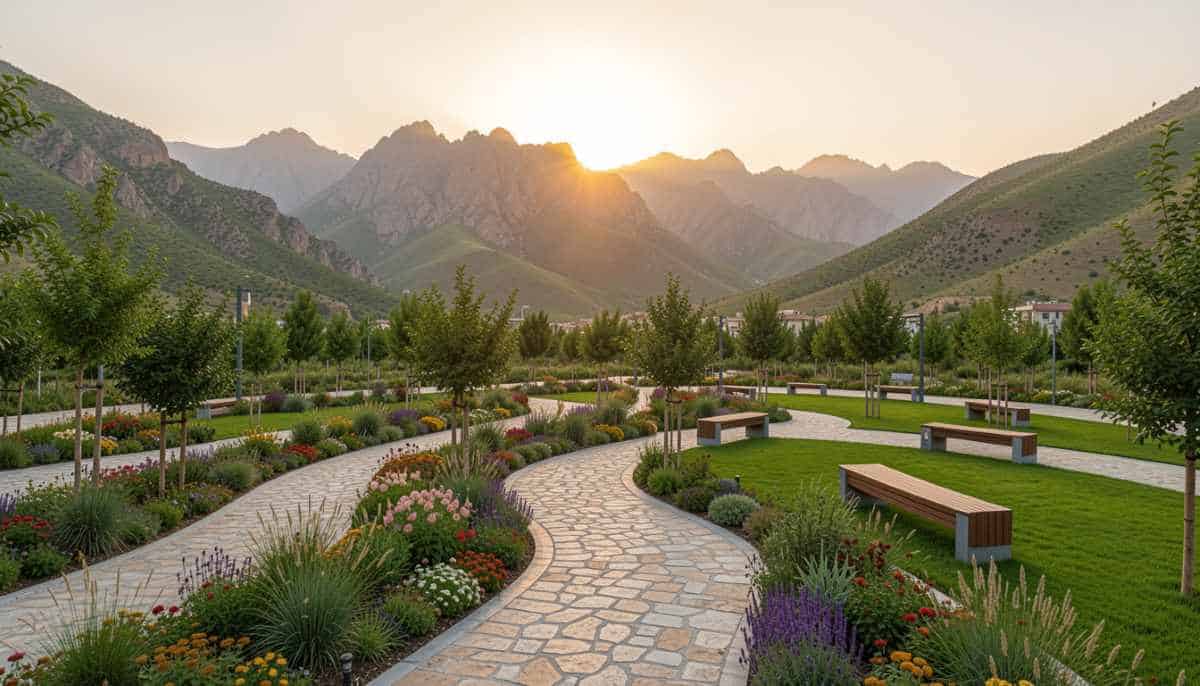
Image generated with Ai
A bold and forward-thinking commitment to sustainable urban development is currently reshaping the geography and social fabric of Iraq’s Kurdistan Region. Central to this strategic vision is the creation of Sork Park in the Shaqlawa district, a landmark venture marking a substantial step in the direction of green tourism and environmental stewardship. The region is trying to get past its dependence on seasonal commercial activity and is starting to consider public spaces as critical infrastructure. The government is making efforts to create accessible and high-quality public environments, thus forming a strong paradigm of tourism and ecological protection. It is hoped these efforts will help ensure the area’s spectacular natural beauty endures as a protected asset for generations of residents and visitors yet to come.
A New Blueprint for Modern Public Space
The Sork Park initiative, which occupies approximately 10 acres of land on the periphery of the historic Shaqlawa district, has been conceptualized as a cornerstone of contemporary urban planning. The initial phase of the development, encompassing 4.4 acres, is currently being implemented by government-contracted teams, with completion anticipated within a short timeframe. By deliberately situating this recreational hub away from the dense, traditional bazaar—which has long served as the town’s primary commercial focal point—the pressure on the city’s ageing urban core is being effectively alleviated.
In this new space, residents and travelers are being offered a contemporary environment that encourages leisure, light physical activity, and community interaction. This development is not merely categorized as a beautification effort; rather, it is viewed by local authorities as vital public infrastructure, ranked with the same level of importance as the expansion of regional road networks or the modernization of utility services. The architectural integration of native vegetation and modern landscaping techniques ensures that the park functions as a biological sanctuary within the expanding urban footprint.
The Strategy Behind the Scenery
The Ninth Cabinet of the Kurdistan Regional Government (KRG) has championed an “infrastructure-first” approach to tourism development. This strategic framework is driven by the clear understanding that for the tourism sector to achieve long-term viability, the underlying foundations—such as land access, electrical power, and water connectivity—must be established by the public sector before private investment is sought. By “pre-servicing” these sites, the regional administration has successfully shifted the financial and operational risk away from private capital markets and toward strategic, transparent public planning.
Advertisement
Advertisement
This approach is mirrored in an expansive regional roadmap featuring 24 strategic tourism projects currently being rolled out across the Kurdistan Region. From the mountain resorts in Halgurd to innovative ecotourism initiatives along the Sirwan River, these projects are being designed specifically to diversify the non-oil economy. By offering attractive incentives, such as long-term tax exemptions and simplified land usage rights, the regional authorities are actively encouraging both domestic and foreign investment in the sustainable development of the landscape.
Environmental Stewardship and Climate Resilience
Environmental protection has emerged as a fundamental, non-negotiable pillar of the region’s current administrative agenda. As global temperatures rise and the region faces the acute pressures of desertification, the creation of shaded, open, and green corridors is being prioritized to mitigate the harsh effects of extreme heat. Urban greening is no longer considered an optional luxury; it is being treated as a necessary, scientific intervention to improve air quality and enhance public health standards.
Advertisement
Advertisement
The commitment to this green transition is evidenced by the broader Erbil Green Belt project, which aims to encircle the provincial capital with millions of trees. This ecological engineering serves a dual purpose: it acts as a massive natural carbon sink and a structural defence against the encroachment of arid conditions. Furthermore, rigorous environmental regulations are being enforced across the industrial sector, with high-polluting refineries being compelled to integrate advanced filtration and waste management systems. These regulatory standards are now being applied to all new construction, which is legally mandated to allocate a significant percentage of its total area to preserved green space. By ensuring that industrial and urban expansion does not come at the cost of the environment, the region is securing a more liveable future.
Tourism as a Catalyst for Sustainable Economic Growth
The overall aim of these extensive programmes is to increase the annual number of visitors to the region substantially, without compromising the integrity of its natural sites. Tourism is being developed as a sustainable pillar of the local economy, capable of providing the population with seasonal and permanent employment. The Kurdistan Region is carving out a niche as an up-and-coming destination on the world travel map by combining regional history, distinctive cultural heritage and unspoiled nature.
Advertisement
Advertisement
Infrastructure is being completed for landmark projects such as Sork Park, the Tawska Eco-Tourism Project and Gopal Riverside Complex, as the region is getting ready to welcome a new wave of international travellers from diverse backgrounds. These sites are being carefully crafted to offer specific, high-quality experiences – whether it is the quiet of a mountain retreat, the excitement of adventure sports or the ease of a contemporary riverside destination. The close coordination between the Ministry of Municipalities and Tourism and private stakeholders indicates the region is leaving behind ad hoc growth. This comprehensive development plan ultimately points to a resilient, prosperous future where economic prosperity and the preservation of the Iraq Kurdistan landscape are achieved in complete, sustainable tandem.
Advertisement
