
Egypt Unveils Major Revamp to Transform Visitor Experience at Pyramids of Giza

Published
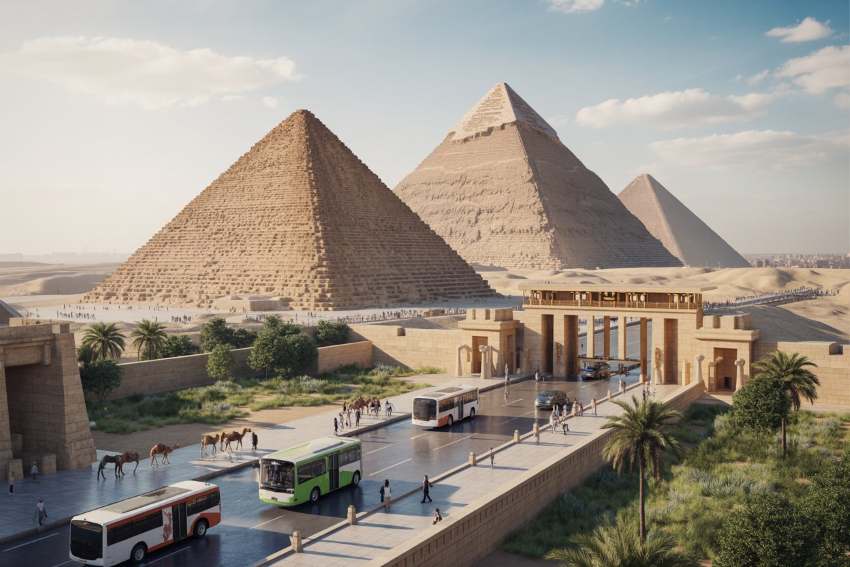 Image generated with Ai
Millions of tourists visit the Pyramids of Giza each year, which stand tall as a timeless representation of the magnificence of ancient Egypt. Travelers from all over the world are drawn to these famous buildings because they are fascinated by the mysteries of the past. But beneath the breathtaking beauty of these historic sites, there are an increasing number of issues that could damage their standing and make visiting them less enjoyable. Tourists have long been irritated by overcrowding, hostile vendors, and worries about animal welfare. In response, the Egyptian government has unveiled a daring $51 million plan to renovate the site in order to solve these problems and protect the legacy of the Pyramids for coming generations.
The Growing Challenges at the Pyramids of Giza
The Pyramids of Giza are not only one of the most recognized landmarks in Egypt but also among the world’s most visited. However, this influx of tourists has placed immense pressure on the site. Many visitors have reported feeling overwhelmed by the sheer number of people present, leading to a less-than-ideal experience. The pervasive presence of aggressive vendors further compounds the issue, with hawkers aggressively selling everything from souvenirs to camel rides. Tourists, often caught up in the bustle of it all, complain of harassment and even extortion, which detracts from the overall enjoyment of their visit.
In addition to the pressure from tourism, animal welfare has been a contentious issue. Horses, camels, and donkeys have long been used to transport tourists around the site. However, animal rights groups have repeatedly raised alarms about the treatment of these animals. Reports of neglect, mistreatment, and poor living conditions have cast a shadow over the Pyramids’ otherwise majestic reputation. This growing concern has prompted a reevaluation of how tourism is managed at this ancient site.
The $51 Million Revamp: A Comprehensive Overhaul
To address the pressing issues, the Egyptian government, in collaboration with Orascom Pyramids Entertainment Services Company, has launched a large-scale $51 million renovation project aimed at transforming the visitor experience. This ambitious plan seeks to tackle the problems of overcrowding, vendor harassment, and animal welfare, all while maintaining the cultural and historical integrity of the Pyramids.
Advertisement
Advertisement
A key component of the transformation is the introduction of a new entrance on the Fayoum Highway. The current entrance, located near the Marriott Mena House hotel, is notorious for its heavy congestion and noise, leading to a stressful start for many visitors. The new entrance is expected to ease traffic bottlenecks, allowing for a smoother and more efficient flow of tourists into the site. This move is expected to enhance the overall experience and reduce the frustration often felt by those arriving at the Pyramids.
Relocating Vendors and Improving Animal Welfare
One of the most contentious aspects of the renovation plan involves the relocation of horse and camel vendors. These vendors, who have long operated near the entrance, are being moved to designated parking zones farther from the main tourist flow. This decision aims to reduce the pressure placed on visitors by aggressive sales tactics and to address concerns about animal welfare.
Advertisement
Advertisement
The relocation has not been without controversy, with many vendors expressing concerns over the potential loss of business. The distance from the main tourist areas has raised fears that their livelihood will be significantly impacted. However, the government has made it clear that those who refuse to comply with the relocation will be banned from operating at the site. The primary objective is to ensure the safety and comfort of visitors while also protecting the welfare of the animals used for rides.
To support this shift, the Egyptian authorities are working on phasing out animal rides gradually, focusing on the health and dignity of these creatures. By limiting the use of horses, camels, and donkeys, Egypt hopes to set a new standard for ethical tourism while also preserving the cultural experience of visiting the Pyramids.
Sustainable Tourism: A Greener Future for Giza
In addition to addressing the issues of overcrowding and animal welfare, the renovation plan places a strong emphasis on environmental sustainability. To reduce the carbon footprint and improve air quality around the site, private cars and traditional tour buses are being replaced with electric vehicles. The plan includes the introduction of 45 electric buses, which will run every five minutes to transport visitors between key areas of the site.
While the introduction of electric vehicles has been widely praised by environmental advocates, there have been some complaints from visitors regarding wait times and the limited availability of buses during peak hours. Despite these challenges, experts view this as a positive step toward balancing high tourist volumes with environmental responsibility. The International Ecotourism Society’s 2023 report highlighted that sustainable transportation options are vital for reducing pollution and preserving heritage sites. By adopting this strategy, Egypt is aligning itself with global efforts to promote sustainable tourism.
Balancing Heritage with Modern Needs
The $51 million revamp of the Pyramids of Giza represents a delicate balancing act. The aim is not just to manage the crowds or alleviate traffic congestion but to preserve the integrity and grandeur of one of the world’s most iconic landmarks. The project also seeks to strike a balance between maintaining the traditional experience of visiting the Pyramids while adapting to the demands of modern tourism.
The relocation of vendors, the phased-out use of animals, and the introduction of electric vehicles are all part of a broader strategy to enhance the site’s long-term sustainability. However, the success of these efforts remains to be seen. The challenge will be to create a tourism model that can accommodate millions of visitors while safeguarding the Pyramids’ cultural and environmental heritage.
Advertisement
Advertisement
Looking to the Future: A Transformational Journey
The Pyramids of Giza seem to have a better future as the renovation project progresses. The modifications being made are intended to make the visitor experience more ethical, sustainable, and pleasurable. Even though there are still obstacles to overcome, the Egyptian government’s audacious actions demonstrate its dedication to protecting the location for future generations.
The $51 million investment is a forward-thinking effort to guarantee the long-term preservation of this historic marvel as well as a response to the Pyramids’ current problems. The objective is to establish a harmonious equilibrium between tourism, heritage conservation, and moral behaviour that can be used as a template for other historical sites worldwide.
In the upcoming years, visitors to the Pyramids of Giza will have a completely different experience. Both the visitor experience and the preservation of one of the greatest historical treasures in the world are expected to be improved by the new developments. The world will be closely observing the ongoing renovations to see how they affect this iconic site’s future.
Advertisement
