
USA’s Acadia National Park Explodes With Stunning Fall Colours as Maine Reveals Autumn Travel Magic

Published
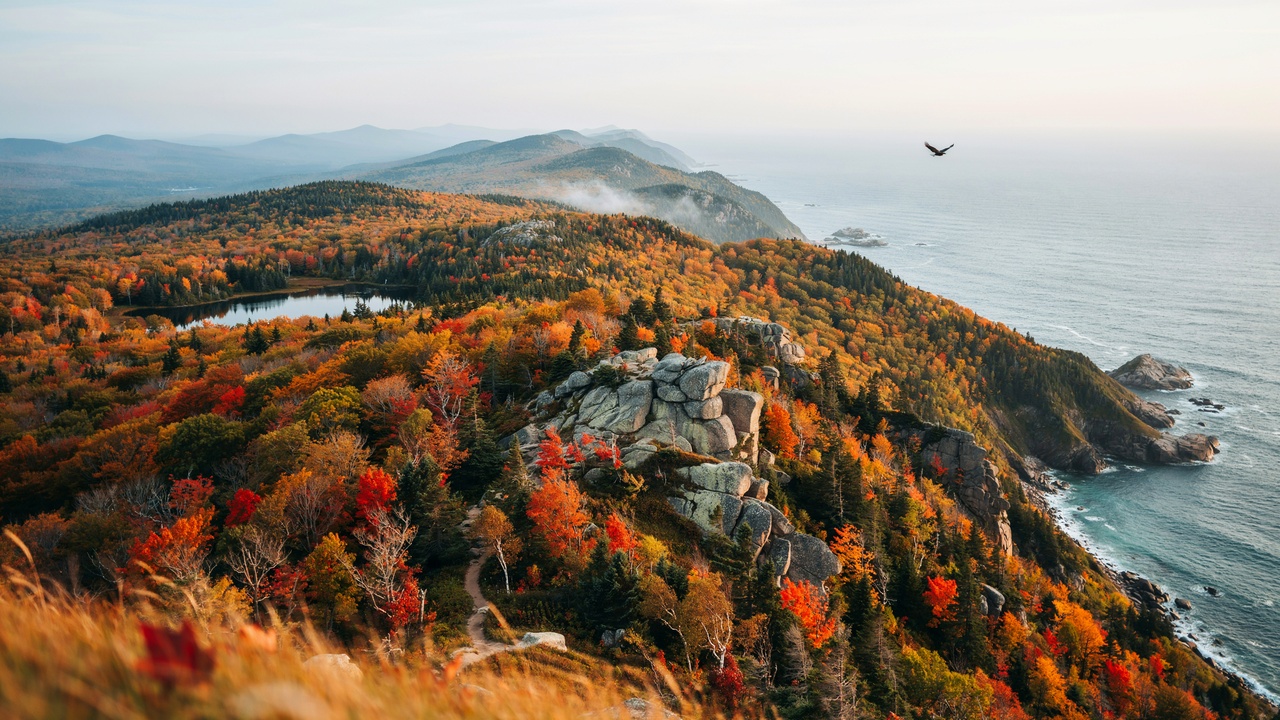
Acadia National Park fall foliage attracts travellers who want one of America’s spectacular autumn experiences. At Acadia National Park, forests, mountains and Atlantic coastlines change into seasonal scenes. Located in Maine Acadia National Park becomes a destination in the fall as visitors walk colourful trails drive scenic routes and visit iconic viewpoints. The National Park Service says that the best colours usually appear around mid‑October. The exact timing shifts each year, with weather. With foliage updates and protected natural landscapes Acadia National Park keeps inspiring global travellers who hunt for unforgettable autumn adventures.
Acadia National Park Fall Colours Turn Maine Into a Global Autumn Travel Destination
Why Acadia National Park Fall Foliage Has Become a Major Travel Attraction
Every autumn, Acadia National Park fall foliage transforms Maine’s rugged coastline into a landscape filled with bright reds, golden yellows and deep orange forest colours. The seasonal display has made the park one of the most recognised autumn destinations in the United States.
Advertisement
Advertisement
The attraction comes from Acadia’s rare combination of natural features. Unlike many inland forests, the park combines mountain scenery, woodland trails, lakes, rocky shorelines and Atlantic Ocean views. This creates a distinctive autumn setting where visitors can experience colourful forests alongside dramatic coastal landscapes.
Managed by the National Park Service (NPS), Acadia protects a landscape of forests, mountains, coastal ecosystems and historic features across Mount Desert Island, the Schoodic Peninsula and surrounding areas. The park covers more than 47,000 acres and welcomes millions of visitors annually.
Advertisement
Advertisement
The autumn season has become particularly important for Maine’s tourism economy. Travellers from across the United States and international markets visit the region to experience scenic drives, hiking routes, photography locations and outdoor activities during the cooler months.
Official tourism authorities continue to promote Maine’s fall season through foliage monitoring systems, travel planning resources and destination information designed to help visitors plan their journeys.
Advertisement
Advertisement
What Makes Acadia National Park’s Autumn Landscape Unique?
A Rare Mix of Forests, Mountains and Ocean Views
The appeal of Acadia National Park fall colours comes from its geographical diversity. Many destinations offer forests filled with changing leaves, but Acadia creates a different experience by combining colourful woodland scenery with coastal landscapes.
Visitors can see autumn forests surrounding mountain peaks, peaceful ponds and ocean-facing cliffs. The contrast between colourful trees and the blue Atlantic creates some of the park’s most photographed views.
The park’s landscape includes hardwood forests containing trees that produce brilliant autumn colours. Maple, birch and other deciduous species contribute to the seasonal transformation that attracts photographers, nature lovers and outdoor travellers.
Cadillac Mountain, the highest point on Mount Desert Island, remains one of the park’s most popular viewpoints. From the summit, visitors can observe wide views across forests, islands and coastal waters.
Other popular autumn viewing locations include Jordan Pond, Ocean Drive, carriage roads and forest trails around Sieur de Monts. The National Park Service provides official recommendations for experiencing fall colours through hiking routes and scenic areas.
When Is the Best Time to See Fall Colours in Acadia National Park?
Peak Autumn Season Usually Arrives in October
The timing of Acadia National Park fall foliage changes every year because leaf colour development depends on weather conditions, including temperatures, rainfall patterns and seasonal changes.
Advertisement
Advertisement
According to the National Park Service, peak fall colours in Acadia generally occur around mid-October. However, visitors are advised to check updated foliage conditions before travelling because the exact timing can vary.
Maine’s official foliage programme provides weekly reports during the autumn season. These updates track colour changes across different regions of the state and help travellers identify the best periods for viewing autumn landscapes.
Early autumn can offer quieter travel conditions, while October usually provides stronger colour displays. Visitors planning photography trips often monitor official foliage reports before finalising travel dates.
The changing season also creates different experiences throughout the park. Early fall may feature a combination of green forests and emerging colours, while peak season delivers stronger red, orange and yellow tones across the landscape.
Maine Strengthens Fall Tourism Through Official Foliage Monitoring
Government-Backed Travel Information Helps Visitors Plan Trips
Maine has developed one of the most recognised foliage monitoring systems in the United States. The state’s official foliage programme provides regular updates, regional reports and travel guidance during the autumn season.
The Maine Department of Agriculture, Conservation and Forestry operates the official foliage reporting platform, which tracks seasonal conditions across the state. The programme supports travellers, businesses and communities by providing reliable information about changing colours.
Advertisement
Advertisement
The system divides Maine into different foliage regions, allowing visitors to understand how autumn progresses across northern, western, central, eastern and coastal areas.
For tourism businesses, accurate foliage information plays an important role. Hotels, restaurants, tour operators and outdoor businesses depend on seasonal visitors during the autumn travel period.
The government-supported reporting system also helps distribute visitors across different parts of Maine instead of concentrating tourism in only the most popular locations.
This approach supports sustainable destination management while allowing travellers to discover lesser-known communities and natural attractions throughout the state.
How Acadia National Park Supports Sustainable Visitor Experiences
Protecting Nature While Welcoming Millions of Travellers
The growing popularity of Acadia National Park fall foliage has increased attention on balancing tourism demand with environmental protection.
The National Park Service manages Acadia with a focus on conservation, visitor safety and responsible recreation. The agency encourages visitors to follow park regulations, protect natural resources and respect wildlife habitats.
Advertisement
Advertisement
During peak autumn periods, visitors are encouraged to plan ahead, use designated trails and follow transportation guidance where applicable.
The park’s popularity also highlights the importance of sustainable tourism practices. Increased visitor numbers can create pressure on parking areas, trails and natural environments. Proper planning helps protect the landscape while ensuring future generations can enjoy the destination.
The National Park Service provides official visitor information covering weather conditions, road access, hiking recommendations and safety guidance.
Economic Impact of Maine’s Autumn Tourism Season
Fall Colours Create Opportunities for Local Communities
Autumn tourism provides significant economic benefits for Maine communities surrounding Acadia National Park.
Visitors contribute to local economies through accommodation bookings, dining, transportation services, outdoor recreation activities and retail spending.
Towns near the park, including Bar Harbor and surrounding Mount Desert Island communities, experience increased demand during the foliage season.
Advertisement
Advertisement
The seasonal travel period supports employment opportunities and strengthens small businesses that depend on tourism activity.
Fall tourism also encourages longer regional travel itineraries. Many visitors combine Acadia National Park with other Maine destinations, including coastal towns, scenic routes and cultural attractions.
The state’s official tourism promotion highlights autumn as one of Maine’s strongest travel seasons, supported by natural scenery, outdoor experiences and local communities.
Which Locations Offer the Best Fall Foliage Views Inside Acadia National Park?
Scenic Roads, Mountain Summits and Coastal Trails Attract Autumn Travellers
The popularity of Acadia National Park fall foliage comes from the variety of locations where visitors can experience the changing colours. The park offers multiple viewpoints, scenic roads and walking routes that showcase Maine’s autumn landscape from different perspectives.
One of the most recognised locations is Cadillac Mountain, where visitors can view colourful forests extending towards the Atlantic coastline. The summit provides panoramic scenery, especially during sunrise and sunset when autumn colours appear alongside the surrounding islands and ocean.
The Park Loop Road is another important visitor route. The scenic road connects several major attractions, including Sand Beach, Thunder Hole, Otter Cliff and Jordan Pond. During autumn, forests surrounding the route become filled with seasonal colours, creating one of the park’s most popular driving experiences.
Advertisement
Advertisement
The Jordan Pond area remains a favourite destination for visitors looking for peaceful autumn views. The clear waters, surrounding mountains and colourful forests create a classic Acadia landscape.
The National Park Service recommends exploring different areas of the park because seasonal colours develop at different speeds depending on elevation, location and weather conditions.
The carriage roads, originally designed through a historic landscape plan, provide another way to experience the autumn season. These gravel routes allow visitors to walk, cycle or explore quieter areas surrounded by forests.
For travellers seeking coastal scenery, Ocean Drive offers views where autumn forests meet rocky Atlantic shorelines. This combination makes Acadia different from traditional fall destinations that focus only on inland forests.
How Can Visitors Plan an Autumn Trip to Acadia National Park?
Official Travel Guidance Helps Visitors Prepare for Peak Season
Planning is essential for travellers visiting during the busiest Acadia National Park fall foliage period. Autumn attracts large numbers of visitors, particularly during weekends in October when colours are often at their strongest.
The National Park Service advises visitors to check current conditions before arriving. Weather changes, road conditions and seasonal closures can affect travel plans.
Advertisement
Advertisement
Visitors should consider several important factors before travelling:
- Checking official park updates before arrival
- Preparing for changing autumn weather conditions
- Reserving accommodation early during peak foliage periods
- Following parking and transportation regulations
- Staying on designated trails to protect natural resources
The park experiences cooler temperatures during autumn compared with summer months. Morning and evening conditions can become particularly cold, especially at higher elevations such as Cadillac Mountain.
Travellers should also prepare suitable clothing, comfortable footwear and essential outdoor supplies.
Autumn provides excellent opportunities for hiking, photography, sightseeing and wildlife observation. However, visitors are encouraged to respect park guidelines to protect the environment.
The National Park Service continues to promote responsible recreation practices, including leaving natural objects undisturbed and following conservation rules.
Does Acadia National Park Require Advance Planning for Autumn Visitors?
Growing Popularity Creates Greater Demand During Peak Foliage Months
The increasing global interest in Acadia National Park fall foliage has made advance planning increasingly important for visitors.
Advertisement
Advertisement
Autumn is one of the busiest periods in the park because travellers arrive specifically to experience the seasonal transformation. Popular viewpoints and scenic routes can become crowded, particularly during peak weekends.
The National Park Service operates visitor information services to help travellers understand park conditions, accessibility, regulations and available facilities.
Visitors can improve their experience by travelling during weekdays, arriving early and exploring less crowded areas.
The park’s popularity also reflects a broader trend in nature-based tourism. Travellers are increasingly seeking outdoor experiences connected with landscapes, conservation and seasonal events.
Government tourism agencies have highlighted the importance of balancing visitor access with environmental protection. Managing tourism growth helps maintain the quality of natural destinations while supporting local economies.
For Acadia, sustainable visitor management remains a key priority because the park’s natural beauty is the foundation of its tourism appeal.
Advertisement
Advertisement
How Does Fall Tourism Support Maine’s Economy?
Seasonal Travel Generates Business Opportunities Across the Region
The Maine fall foliage season plays an important role in supporting tourism-related businesses throughout the state.
Visitors travelling to Acadia contribute to accommodation providers, restaurants, transport companies, tour operators and local retailers.
Communities surrounding Mount Desert Island experience increased economic activity during autumn as travellers arrive for scenic experiences and outdoor activities.
The impact extends beyond the immediate area surrounding the national park. Many visitors create wider Maine itineraries, travelling along coastal routes and visiting other communities during their journeys.
The state’s tourism strategy promotes regional travel by highlighting different landscapes, cultural attractions and outdoor experiences.
Fall tourism also helps extend Maine’s visitor season beyond the traditional summer holiday period. This creates additional opportunities for businesses and supports employment during a period that has historically been important for the state’s travel industry.
Advertisement
Advertisement
The official Maine Office of Tourism promotes autumn travel through destination information, seasonal guides and visitor resources designed to encourage responsible exploration of the state.
Why Is Acadia National Park Important for Sustainable Tourism?
Conservation Remains Central to Managing Visitor Growth
The future of Acadia National Park fall foliage tourism depends on maintaining a balance between visitor access and environmental protection.
As demand for nature-based travel continues increasing, protected areas worldwide face challenges related to overcrowding, trail pressure and conservation needs.
The National Park Service manages Acadia through a combination of visitor education, infrastructure planning and resource protection measures.
The agency encourages travellers to follow principles that reduce environmental impact, including responsible waste management, respecting wildlife and using established routes.
The park’s management approach reflects a wider national effort to protect public lands while allowing people to experience natural landscapes.
Advertisement
Advertisement
Acadia’s autumn season demonstrates how protected areas can support both conservation and tourism. The destination provides economic benefits for communities while preserving ecosystems for future visitors.
The continued popularity of the park also highlights the importance of official visitor information. Accurate guidance allows travellers to make informed decisions and helps reduce pressure on sensitive areas.
What Future Trends Could Shape Acadia’s Autumn Travel Experience?
Climate Patterns and Visitor Management Will Influence Future Seasons
The future of Acadia National Park fall foliage will continue to be influenced by environmental conditions, tourism demand and visitor management strategies.
Autumn colour timing naturally changes from year to year. Temperature patterns, rainfall levels and seasonal weather conditions affect when leaves change colour and how long peak colours remain visible.
Government agencies continue monitoring environmental conditions and providing updated information to visitors.
The National Park Service and Maine tourism authorities are expected to maintain their focus on sustainable travel practices, visitor education and conservation.
Advertisement
Advertisement
Technology is also changing how travellers plan seasonal trips. Official online resources, digital maps and real-time updates allow visitors to make better decisions before arriving.
The continued growth of nature-based tourism suggests that destinations such as Acadia will remain important attractions for travellers seeking outdoor experiences.
However, protecting the landscape will remain essential. The long-term appeal of Acadia depends on preserving the forests, coastline and ecosystems that create its internationally recognised autumn scenery.
Why Acadia National Park Remains a Must-Visit Autumn Destination in the USA
A Combination of Natural Beauty, Heritage and Responsible Travel
Acadia National Park fall foliage continues to attract travellers because it offers more than colourful forests. The destination combines natural landscapes, coastal scenery, outdoor adventure and protected heritage.
Unlike many autumn destinations, Acadia allows visitors to experience multiple environments within one journey. Forest-covered mountains, ocean views, historic roads and peaceful trails create a diverse seasonal experience.
The park represents the connection between conservation and tourism. Millions of visitors are able to enjoy the landscape because of long-term protection efforts managed by the National Park Service.
Advertisement
Advertisement
For travellers planning an autumn holiday in the United States, Maine provides a destination where seasonal beauty and outdoor exploration come together.
With official foliage updates, visitor guidance and sustainable tourism initiatives, Acadia remains one of the country’s most memorable destinations for experiencing autumn colours.
Conclusion
Acadia National Park fall foliage keeps painting Maine’s autumn with forests, waves and protected nature. The National Park Service and Maine’s foliage monitoring programme give visitors trustworthy tips, for when to go. The park’s growing popularity shows how vital it is to manage tourism. By guarding ecosystems while opening its doors Acadia proves that natural spots can help people and keep the land safe. Travelers chasing autumn scenes will find Acadia a standout place where nature, protection and seasonal adventure all come together.
Advertisement
