
Cahul Mirrors Comrat and More as Authentic Southern Escapes of Moldova Draw Global Travellers

Published
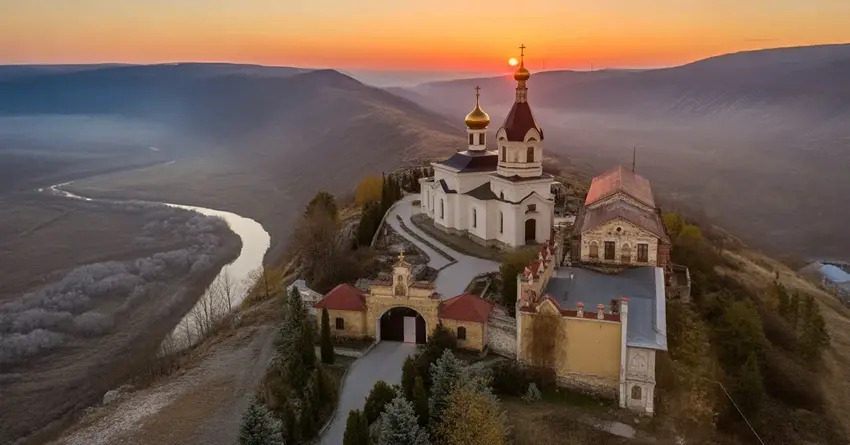
Image generated with Ai
Cahul mirrors Comrat as more authentic southern escapes of Moldova draw global travellers toward a different European journey. Cahul and Comrat offer authentic experiences, while more southern escapes reveal Moldova beyond familiar routes. Moreover, these destinations connect travellers with local culture, food, villages and nature. As global travellers seek meaningful journeys, Cahul and Comrat increasingly stand out for their distinctive character. The authentic southern escapes of Moldova also invite visitors to explore slower, more immersive travel. Meanwhile, more destinations add depth to a Moldova itinerary. Travel And Tour World urges readers to explore the entire story, discover these southern escapes, and uncover experiences worth adding to their next journey.
Moldova Beyond Chisinau: Six Underrated Destinations to Add to a 2026 Travel Itinerary
Moldova’s latest tourism figures are drawing attention to a country that many international travellers still experience only through Chisinau. The latest official data shows that collective accommodation establishments recorded 525,100 tourists in 2025, including 286,200 non-residents. That means foreign visitors represented 54.5% of all accommodated tourists.
Advertisement
Advertisement
The momentum continued into 2026. During January-June 2026, Moldova recorded 257,300 accommodated tourists and 679,900 overnight stays, according to the National Bureau of Statistics.
For travellers, the more interesting story is what lies beyond the capital.
Advertisement
Advertisement
Moldova’s official tourism platform divides the country into distinct travel regions, highlighting northern landscapes, central heritage areas, and southern Gagauz culture and Lower Prut nature.
Advertisement
Advertisement
The following destinations can help travellers build a more varied Moldova itinerary without concentrating the entire journey around Chisinau.
Moldova Tourism Data: Five-Year Comparison
Official accommodation statistics provide the clearest comparable national measure. They should not be confused with total border arrivals, day visitors or individual attraction attendance.
| Year | Tourists accommodated | Key comparison | Non-resident tourists | Resident tourists |
|---|---|---|---|---|
| 2021 | 178,200 | +100% vs 2020 | 68,900 | 109,300 |
| 2022 | 333,900 | +87.4% vs 2021 | 162,100 | 171,800 |
| 2023 | 391,500 | +17.2% vs 2022 | — | — |
| 2024 | 474,200 | +21.1% vs 2023 | 254,000 | 220,200 |
| 2025 | 525,100 | +10.7% vs 2024 | 286,200 | 238,900 |
| Jan-Jun 2026 | 257,300 | +15.8% vs Jan-Jun 2025 | 159,600 | 97,700 |
The 2021 figure reflects the post-pandemic recovery. The National Bureau of Statistics recorded 178,200 accommodated tourists that year, including 68,900 non-residents.
In 2022, the total reached 333,900, with non-residents accounting for 162,100. Non-resident accommodation increased 93,200 from the previous year.
The 2023 total reached 391,500, representing a 17.2% annual increase. Overnight stays reached 1.415 million, up 5.1%.
Advertisement
Advertisement
In 2024, the total climbed to 474,200. Foreign tourists represented 254,000, or 53.6% of accommodated visitors.
The 2025 total reached 525,100. Non-residents accounted for 286,200 visitors, while residents accounted for 238,900.
How Moldova’s Accommodation Market Changed
| Indicator | 2024 | 2025 | Change |
|---|---|---|---|
| Total accommodated tourists | 474,200 | 525,100 | +10.7% |
| Resident tourists | 220,200 | 238,900 | +8.5% |
| Non-resident tourists | 254,000 | 286,200 | +12.7% |
| Foreign share | 53.6% | 54.5% | +0.9 percentage points |
| Hotels and motels | — | +13.6% | Annual increase |
| Tourist/agrotourist pensions | — | +30.6% | Annual increase |
| Health resorts | — | +4.8% | Annual increase |
The 2025 data is particularly relevant to travellers interested in rural experiences. Tourist and agrotourist pensions recorded a 30.6% increase, while hotels and motels increased by 13.6%.
That shift makes smaller destinations increasingly practical for visitors seeking countryside accommodation.
Six Underrated Moldova Destinations for Global Travellers
1. Soroca: A Dniester Riverside City Built Around a Medieval Fortress
Soroca is one of Moldova’s strongest choices for travellers wanting history without spending the entire trip in the capital. The city sits beside the Dniester River and is home to Soroca Fortress, one of Moldova’s most important medieval monuments. Moldova’s tourism authorities say the fortress was initially constructed in wood under Ștefan cel Mare during the 15th century and later rebuilt in stone under Petru Rareș. Its circular design includes five defensive towers, walls more than three metres thick and a structure reaching about 21 metres in height. The official tourism platform also highlights the Roma quarter known as Gypsy Hill, where visitors can see distinctive houses positioned above the city. A good Soroca day should begin at the fortress before moving towards the Dniester waterfront. Travellers interested in culture can explore local heritage and the city’s distinctive multicultural character. Food choices should focus on Moldovan dishes such as placinte, sarmale, zeama and locally prepared meat dishes, although specific restaurant opening hours should be checked locally. For accommodation, travellers should look for centrally located hotels or guesthouses rather than returning immediately to Chisinau. The official Moldova Travel destination directory lists accommodation options associated with Soroca, including visitor-oriented properties. A practical itinerary is one overnight stay, followed by a morning departure towards northern Moldova. Soroca works especially well for travellers who enjoy fortresses, riverside landscapes, cultural heritage and slower-paced city exploration.
Advertisement
Advertisement
2. Cahul: Southern Moldova’s Gateway to Wellness, Nature and Local Food
Cahul provides an alternative southern base for travellers who want to combine town-based accommodation with wetlands, villages and regional food experiences. The city is particularly useful because the surrounding Cahul district provides access to the Lower Prut area and Lake Beleu. Moldova’s official tourism platform describes Lake Beleu as the country’s largest lake and highlights its white and yellow water lilies, birdlife and boat excursions. Visitors can use Cahul as a base before continuing towards Văleni village, which was recognised through the UNWTO Best Tourism Villages initiative. The official tourism information highlights the village’s Bread Museum, traditional food and connection with nearby Lake Beleu. Travellers should try regional fish dishes, traditional Moldovan bread, placinte and other home-style recipes. For a deeper rural experience, La Gura Cuptorului guesthouse in Văleni is officially promoted as a place where visitors can learn about traditional bread-making while staying near the reserve and lake. The route can be planned over two nights. Spend the first evening in Cahul, then travel towards Văleni early the next morning. Continue to Lake Beleu for boating and birdwatching before returning to a rural guesthouse. Cahul is therefore particularly suitable for visitors combining wellness, nature, gastronomy, rural culture and slower travel.
3. Comrat: Discover Gagauz Culture Through Food and Traditions
Comrat offers travellers an opportunity to experience Moldova through the distinctive culture of Gagauzia. The official tourism platform describes Gagauzia as culturally distinct and highlights its traditions, cuisine and community experiences. Comrat functions as the administrative centre of the autonomous region and can serve as a base for exploring nearby villages. Travellers interested in food should look beyond standard Moldovan menus and sample Gagauz-influenced dishes. Official tourism information points visitors towards guesthouses where traditional food and local customs form part of the experience. Sofrasi Guesthouse in Congaz is highlighted as a place where visitors can experience Gagauz food and cultural traditions. The tourism platform also identifies dishes and breads associated with the region, including gozleme-style preparations and meat dishes. A two-day itinerary can begin in Comrat with a city walk and local cultural visit. The afternoon can be dedicated to a regional food experience. On the second day, travel into surrounding Gagauz villages for community-based tourism. Accommodation can be arranged in Comrat or at a rural guesthouse when the objective is deeper cultural immersion. Travellers should reserve rural experiences ahead because smaller properties may operate on advance arrangements. Comrat suits visitors who want to understand Moldova through language, food, village traditions and living cultural heritage rather than conventional sightseeing alone.
4. Bălți: Moldova’s Northern Urban Base for a Slower Regional Journey
Bălți is useful for travellers who want to explore northern Moldova while maintaining access to urban facilities. The city provides a practical base for reaching attractions across the northern region. Moldova’s official tourism platform describes northern Moldova as an area combining nature, history, architectural monuments and cultural diversity. Travellers using Bălți as their base can build day trips towards natural and historical attractions. Bălănești Hill, identified by the official tourism platform as Moldova’s highest point, is particularly relevant to outdoor travellers. The Suta de Movile landscape provides another unusual northern excursion, while Naslavea offers views towards the Dniester. Taul Park provides another option for travellers interested in landscaped heritage. Food in Bălți can be approached through Moldovan staples including placinte, sarmale, zeama and regional dairy products. Travellers should use the city as a base for restaurants and then move into the countryside for local food experiences. Accommodation is more practical in Bălți than in smaller northern settlements, although visitors should check current hotel availability before travelling. A three-day plan works well. Use day one for Bălți itself, day two for Taul and northern heritage, and day three for a nature excursion. Bălți is particularly useful for travellers who want northern Moldova without committing to remote rural accommodation every night.
5. Orhei: A Central Moldova Base for Heritage
Orhei offers a convenient combination of history and access to the Orheiul Vechi cultural-natural reserve. The city’s Museum of History and Ethnography was established in 1969 and is identified by Moldova’s tourism platform as a national-significance historical and architectural landmark. Château Vartely is located in Orhei food and overnight accommodation. Orhei is also the gateway to Orheiul Vechi, approximately 45–50 minutes from Chisinau. The reserve includes cave monasteries, archaeological remains, rock formations and rural villages. Visitors can hike, cycle, watch birds, attend cooking workshops and explore rural guesthouses. Official information identifies six hiking and cycling routes ranging from four to 23 kilometres. Travellers can stay in Orhei itself or move into Butuceni or Trebujeni for a rural experience. A three-day plan could include Orhei museum visits on day one, Château Vartely on day two and Orheiul Vechi on day three. This destination is especially useful for combining cultural tourism with gastronomy and outdoor activity.
6. Ceadîr-Lunga: A Gagauz Destination for Traditions and Rural Experiences
Ceadîr-Lunga gives travellers another route into southern Moldova’s Gagauz culture. The official Moldova Travel platform includes the city within the country’s cultural and event landscape, including Hederlez, a traditional celebration associated with horse racing and held in the region. The city can be paired with nearby villages and Gagauz cultural experiences. The 2024 national census recorded around 11,000 Gagauz residents in Ceadîr-Lunga, making it one of the important urban centres of Gagauz cultural life. Travellers should explore local cultural traditions, sample Gagauz food visit where advance bookings are available. Accommodation is best planned through local hotels, guesthouses or nearby rural properties, depending on the season and itinerary. A two-day plan can begin with Ceadîr-Lunga’s cultural attractions, followed by a regional food experience. The second day can focus on villages before continuing towards Comrat or Cahul. Travellers should confirm transportation and opening arrangements before departure because smaller regional attractions may not operate with the same schedules as major city attractions.
Advertisement
Advertisement
Five-Year Tourism Comparison: What the Numbers Actually Show
The national figures show a consistent post-2021 recovery.
| Year | Total accommodated | Annual change | Non-residents | Foreign share |
|---|---|---|---|---|
| 2021 | 178,200 | — | 68,900 | 38.6% |
| 2022 | 333,900 | +87.4% | 162,100 | 48.5% |
| 2023 | 391,500 | +17.2% | Not stated in retrieved release | — |
| 2024 | 474,200 | +21.1% | 254,000 | 53.6% |
| 2025 | 525,100 | +10.7% | 286,200 | 54.5% |
The five-year progression is significant because the 2025 total was almost three times the 2021 accommodation figure. However, the comparison begins during a pandemic-recovery period, so annual percentages should be interpreted in that context.
Moldova’s Main Foreign Visitor Markets
Official 2025 accommodation statistics show a geographically diverse foreign visitor market.
| Source market | Share of foreign tourists accommodated in 2025 |
|---|---|
| Ukraine | 35.1% |
| Romania | 20.4% |
| United States | 4.7% |
| Germany | 3.3% |
| Türkiye | 3.0% |
| Italy | 2.8% |
| Israel | 2.7% |
| Poland | 2.6% |
| United Kingdom | 1.8% |
| France | 1.6% |
Ukraine and Romania together accounted for more than half of foreign tourists accommodated in 2025. The United States was the third-largest listed market.
For international travel planners, this demonstrates that Moldova’s tourism market is not limited to neighbouring countries.
Advertisement
Advertisement
Which Moldova Destination Fits Which Traveller?
| Destination | Best for | Suggested stay | Main travel themes |
|---|---|---|---|
| Soroca | History travellers | 1–2 nights | Fortress, Dniester, culture |
| Cahul | Nature and wellness | 2 nights | Lake Beleu, Lower Prut, food |
| Comrat | Cultural travellers | 2 nights | Gagauz culture, food |
| Bălți | Northern exploration | 2–3 nights | City break, nature, heritage |
| Orhei | Heritage | 2–3 nights | Museums, Orheiul Vechi |
| Ceadîr-Lunga | Rural culture | 1–2 nights | Gagauz traditions, events |
Detailed Moldova Travel Plan: 10 Days Beyond Chisinau
| Day | Destination | Morning | Afternoon | Evening |
|---|---|---|---|---|
| 1 | Chisinau | City sightseeing | Museums and parks | Local dinner |
| 2 | Orhei | Travel to Orhei | Museum and city | Food experience |
| 3 | Orheiul Vechi | Cave monasteries | Hiking and villages | Rural guesthouse |
| 4 | Soroca | Travel north | Soroca Fortress | Dniester-area evening |
| 5 | Soroca | Cultural exploration | Local food experience | Overnight Soroca |
| 6 | Bălți | Travel to Bălți | City exploration | Local dinner |
| 7 | Northern Moldova | Taul or nature excursion | Countryside | Return to Bălți |
| 8 | Comrat | Travel south | Gagauz culture | Regional food |
| 9 | Ceadîr-Lunga | Cultural excursion | Village visit | Regional stay |
| 10 | Cahul/Văleni | Travel towards Cahul | Lake Beleu or Văleni | Continue onward |
This route should be adapted around transport schedules, seasonal conditions and attraction opening hours.
Nature and Food Can Shape a Complete Moldova Journey
Moldova’s official tourism information divides the experience into several complementary themes.
Northern Moldova is particularly suitable for landscapes, historical monuments and Dniester scenery.
Central Moldova combines monasteries, rural traditions, outdoor activities routes.
Southern Moldova brings together Gagauz culture, the Lower Prut area, Lake Beleu, Văleni.
Advertisement
Advertisement
This creates a practical opportunity for travellers to avoid building a trip around one attraction.
Instead, a visitor can connect a medieval fortress with a wetland with a rural guesthouse, or a city break with a traditional cooking experience.
Important Visitor Data: What Is and Is Not Available
A key statistical caution is necessary for travel reporting.
The National Bureau of Statistics publishes national accommodation statistics and territorial tourism indicators, but a comparable five-year series of unique visitor arrivals for each of the six cities above is not consistently published in the official material retrieved for this research.
Therefore, it would be misleading to invent five-year visitor totals for Soroca, Cahul, Comrat, Bălți, Orhei and Ceadîr-Lunga.
Advertisement
Advertisement
The available official territorial statistics do provide tourism indicators by territorial unit. For example, the 2025 territorial statistical publication includes accommodation-related tourism data for districts including Orhei and others.
For publication, the national five-year series should therefore be used for the broad tourism comparison, while city and destination sections should use verified attraction, accommodation and regional information rather than fabricated visitor numbers.
Accommodation Capacity Is Also Expanding
Moldova ended 2025 with 317 accommodation structures, 8,850 rooms and 26,092 places, according to the National Bureau of Statistics.
That capacity is important for travellers planning journeys outside Chisinau.
The growth of tourist and agrotourist pensions is particularly relevant because these properties can provide access to rural food, local traditions and countryside activities.
Advertisement
Advertisement
| Accommodation indicator | 2025 |
|---|---|
| Accommodation structures | 317 |
| Existing rooms | 8,850 |
| Existing places | 26,092 |
| Tourists accommodated | 525,100 |
| Non-resident tourists | 286,200 |
| Resident tourists | 238,900 |
| Overnight stays | National annual total available through NBS datasets |
The National Bureau of Statistics also reports that tourist and agrotourist pensions increased their accommodated tourist numbers by 30.6% in 2025.
How to Eat Your Way Through Moldova
Food can become one of the easiest ways to connect the six destinations.
| Region | Foods and experiences to look for |
|---|---|
| Soroca | Placinte, sarmale, zeama and local dishes |
| Cahul | Freshwater fish, traditional bread, placinte |
| Comrat | Gagauz meat dishes, gozleme-style breads |
| Bălți | Moldovan home-style dishes and regional specialities |
| Orhei | Homemade bread, sarmale, cherry dumplings |
| Ceadîr-Lunga | Gagauz cuisine, traditional breads |
At Orheiul Vechi, official tourism information specifically highlights cooking workshops where visitors can learn to prepare bread, sarmale and cherry dumplings.
In Văleni, the Bread Museum provides another food-focused experience connected with local heritage.
Best Way to Combine Moldova’s Lesser-Known Places
For a first trip, travellers can use Chisinau as the arrival and departure point, then travel in loops.
Advertisement
Advertisement
The central route is suitable for visitors interested in heritage.
The northern route works better for fortress history, Dniester landscapes and nature.
The southern route is especially suitable for travellers interested in Gagauz culture, food and wetlands.
Moldova’s official tourism platform also emphasises that the country is compact enough for visitors to combine several regions during one journey.
Final Traveller Takeaway
Moldova’s tourism statistics show a substantial expansion in accommodated visitors since 2021, with foreign travellers representing more than half of accommodation guests in both 2024 and 2025.
Advertisement
Advertisement
But the most useful travel story lies beyond the headline numbers.
Soroca brings medieval history and the Dniester. Cahul opens the door to Lake Beleu and Lower Prut landscapes. Comrat and Ceadîr-Lunga reveal Gagauz traditions. Bălți provides a northern urban base. Orhei connects heritage and the dramatic landscapes of Orheiul Vechi.
For travellers planning a longer European itinerary in 2026, these destinations can turn Moldova from a short capital-city stop into a multi-region journey built around culture, food, nature, history and rural hospitality.
Conclusion
Cahul mirrors Comrat in showing travellers a more authentic side of Moldova. Together with other southern escapes, these destinations offer a rich mix of Gagauz culture, local cuisine, wetlands, villages and outdoor experiences. For global travellers seeking alternatives to conventional European routes, southern Moldova provides opportunities to explore at a slower pace. Moreover, places such as Lake Beleu, Văleni and nearby regions can add meaningful experiences to a longer itinerary. As Moldova continues attracting international visitors, its lesser-known southern destinations deserve attention. Travel And Tour World invites travellers to look beyond the familiar and discover the distinctive character of Moldova’s authentic southern escapes.
Advertisement
