
Mexico Warns Travellers As Powerful Hurricane Polo Triggers Pacific Coast Travel Risks

Published
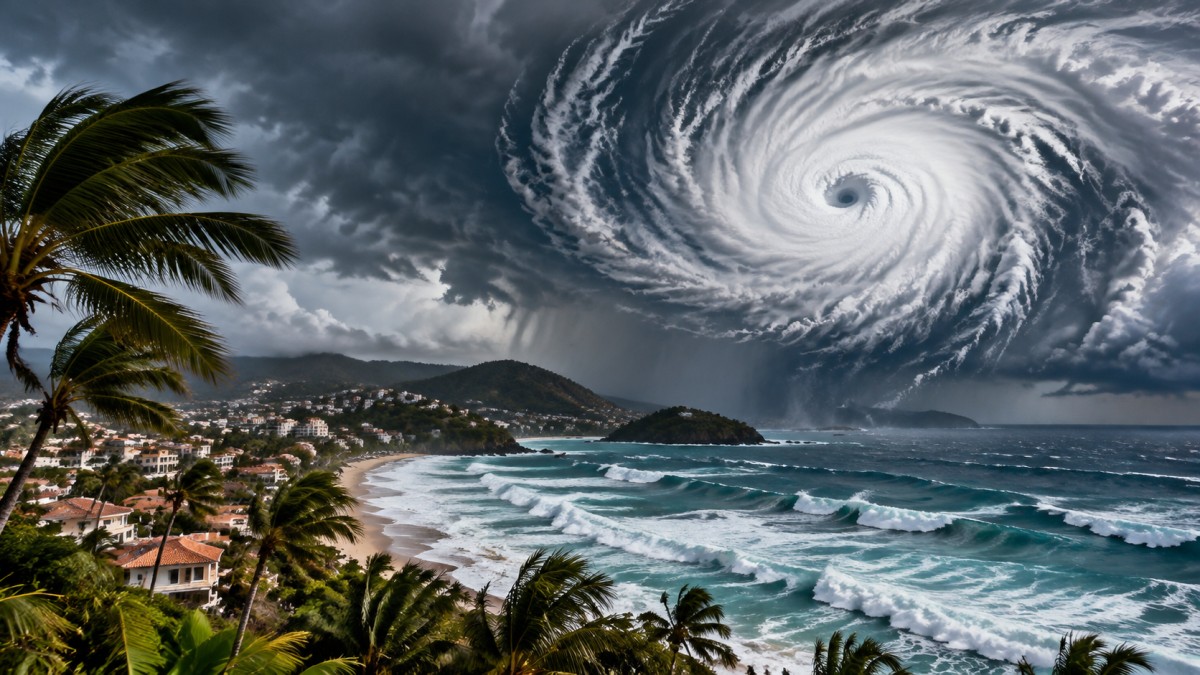
Image generated with Ai
The Pacific coast of Mexico is now facing a serious travel warning following the slow-moving Category 5 Humberto offshore, creating dangerous circumstances for tourists. The hurricane is almost 200 miles away from Zihuatanejo and threatens to bring heavy rainfall, floods, and mudslides even without hitting the ground. Tourists planning to go on a trip to the beach, take an adventure, go on a cruise, or travel to other tourist regions are recommended to keep an eye on the official news, check their traveling plan, and stick to safety regulations.
Hurricane Polo Creates Major Mexico Travel Alert as Coastal Tourism Areas Face Severe Weather Risks
Category 5 Hurricane Polo has intensified into one of the strongest storms affecting the eastern Pacific during the current season, creating serious concerns for travellers across Mexico’s southwestern coastline. The storm developed rapidly and reached extremely dangerous strength while remaining offshore. Although the hurricane centre is expected to stay away from the coastline, authorities warn that heavy rainfall could still create major hazards.
For tourists, the biggest concern is not only wind impact but also secondary risks. Flooding, landslides, road closures and transport delays can affect holiday plans even when hotels and airports are not directly damaged. Visitors staying in coastal resorts, including areas around Zihuatanejo and Guerrero, should remain updated through official emergency channels.
Tourists in Guerrero and Michoacán Face Flooding and Mudslide Risks
Guerrero and Michoacán are among the Mexican states facing increased weather threats from Hurricane Polo. The National Hurricane Center warned that intense rainfall could produce life-threatening flooding and mudslides across these regions. These areas attract international visitors because of their beaches, cultural attractions and nature experiences.
Advertisement
Advertisement
The travel impact may include:
Advertisement
Advertisement
- Temporary closure of coastal attractions
- Unsafe road conditions due to flooding
- Delays in local transportation
- Changes to outdoor excursions
- Possible hotel activity restrictions
Tourists visiting beach destinations should avoid exploring flooded roads, rivers and coastal areas during severe weather conditions. Local authorities have advised people to move away from flood-prone locations and identify safer routes if required.
Zihuatanejo and Pacific Coast Holidays Under Weather Watch
Zihuatanejo, one of Mexico’s well-known Pacific tourism destinations, has been placed under close observation as Hurricane Polo remains offshore. The storm was located approximately 205 to 220 miles south of the coastal city while moving slowly, increasing concerns because prolonged rainfall can create wider impacts.
The destination is popular among international travellers searching for beaches, luxury resorts, fishing experiences and cultural tourism. However, during hurricane conditions, visitors may experience changes to normal holiday activities.
Advertisement
Advertisement
Travellers currently in Zihuatanejo should consider:
- Checking hotel emergency announcements
- Avoiding beaches during dangerous sea conditions
- Keeping essential documents protected
- Staying connected with airline and transport providers
- Following instructions from Mexican emergency authorities
Mexico Airports and Travel Connections May Experience Disruptions
Severe weather systems can affect aviation operations even when airports remain open. Heavy rainfall, strong winds and poor visibility may lead to delays or schedule changes for domestic and international flights.
Advertisement
Advertisement
Travellers flying to Mexico’s Pacific coast should:
- Check flight status before leaving for the airport
- Allow extra travel time
- Contact airlines regarding possible changes
- Keep flexible booking options where available
Tourists connecting through regional airports should also monitor local transportation updates because flooding can affect road access between airports, hotels and attractions.
Airlines generally make operational decisions based on safety assessments, weather forecasts and airport conditions. Travellers should rely on direct airline notifications rather than unofficial social media updates.
Hurricane Travel Advice: What Visitors Should Do Before and During the Storm
Tourists currently travelling in affected Mexican regions should prioritise safety and preparation. Hurricanes can change direction and intensity quickly, making regular updates essential.
Important travel steps include:
Advertisement
Advertisement
- Registering with travel insurance providers before emergencies occur
- Saving emergency contact numbers
- Carrying digital copies of passports and travel documents
- Keeping medication and essential supplies available
- Following government evacuation guidance
Visitors should also avoid unnecessary journeys during periods of heavy rainfall. Mountain roads and coastal routes can become dangerous because of landslides and sudden flooding.
Travel insurance policies may help cover certain disruptions, including cancelled activities, accommodation changes or transport delays, depending on individual policy conditions.
Cruise and Coastal Tourism Operations Monitor Hurricane Movement
Mexico’s Pacific coast is an important region for cruise tourism, marine activities and coastal excursions. Hurricane conditions can influence sailing schedules, port operations and water-based experiences.
Cruise passengers travelling near Mexico should:
- Monitor cruise line announcements
- Expect possible itinerary adjustments
- Follow onboard safety instructions
- Avoid independent coastal activities during warnings
Strong storms can create dangerous ocean conditions even when skies appear calm away from the storm centre. Tour operators may temporarily suspend boat trips, fishing activities and water sports until conditions improve.
Advertisement
Advertisement
Tropical Storm Odalys Interaction Adds Uncertainty for Travellers
Weather experts are also monitoring nearby Tropical Storm Odalys, which could influence regional weather patterns. The interaction between nearby tropical systems, known as the Fujiwhara effect, can sometimes change storm movement and intensity. For tourists, this means forecasts may continue changing over the coming days. Travellers should avoid relying on earlier predictions and instead check the latest updates from official weather agencies. The combination of Hurricane Polo and another tropical system increases the importance of careful travel planning for visitors across Mexico’s Pacific region.
Mexico Tourism Industry Focuses on Safety During Extreme Weather Event
Mexico’s tourism sector has extensive experience managing hurricanes because many coastal destinations regularly face seasonal storms. Hotels, resorts and tourism operators typically activate emergency plans to protect visitors and staff. Tourists should remember that weather alerts do not always mean complete travel cancellations. Many destinations continue operating safely when authorities confirm conditions are manageable.
However, travellers should remain flexible because:
- Beach activities may pause temporarily
- Outdoor tours may be cancelled
- Transport schedules may change
- Some attractions may close for safety reasons
Responsible travel during extreme weather helps protect visitors and local communities.
Conclusion
Hurricane Polo has caused a notable travel advisory for Mexico and currently poses a risk of flooding, landslides and coastal damage in Guerrero, Michoacán and nearby tourist areas. Visitors traveling in Mexico must stay informed and heed any warnings while maintaining flexible travel plans. While Hurricane Polo has not made landfall, rain from the storm is still expected to impact roadways and flights, tourist activities and experiences. Taking precautions in advance, paying attention to the provided information and following safety instructions will help travelers make wise choices as authorities and travel companies try to keep people in harmony with nature during this situation.
Advertisement
