
Malaysia Aligns Vietnam and Others Face Travel Cost Pressure as the Airfares Surge 10% And Hotels Rise 3%

Published
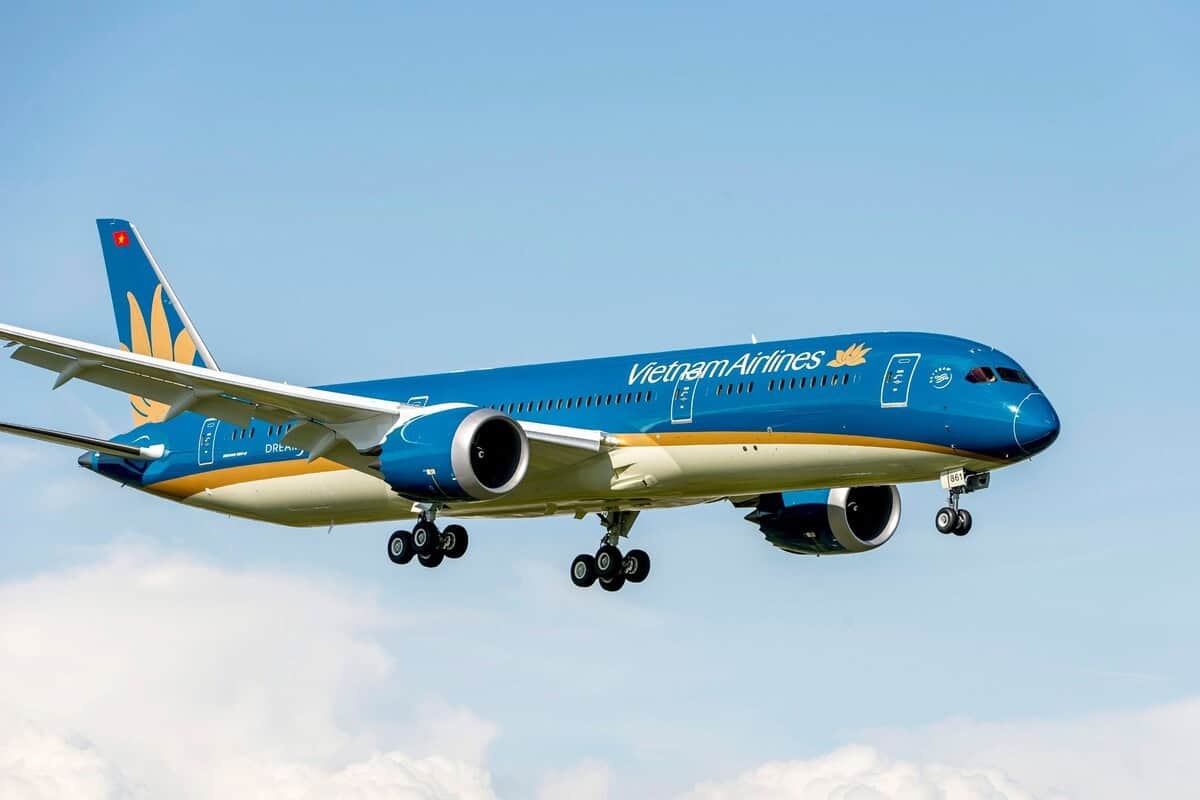
Challenging conditions in late 2026 are testing the global tourism industry. Competitive, price-sensitive Asian travel has further pressure on travelers who face higher international airfares (up 10%), and higher hotel costs (up 3%). Rising costs of jet fuel, and disruptions in global supply, have increased costs for the travel and hospitality industries. Travelers are cutting costs by not staying at nicer hotels. But travelers are still willing to pay for airline tickets. Travelers are focusing on destinations which have better value for their money. This negatively impacts developing and less-developed countries. Ministries of Finance, Economics and Trade in Asia have formed teams to find ways to stimulate air travel. Policies include the removal of travel restrictions and taxes for international travel.
Navigating the Asian Travel Cost Pressure in a Post-Pandemic Era
The global travel and tourism landscape has definitively transitioned from its robust post-pandemic recovery phase into a highly complex period characterised by structural economic friction. As of September 2026, nations spanning the diverse Asia-Pacific (APAC) region find themselves navigating a precarious paradox. While the underlying consumer demand for both leisure and corporate travel remains remarkably resilient, the foundational financial requirements to fulfil this demand have skyrocketed at an alarming pace. Chief among the prevailing concerns documented by international aviation bodies, national statistical offices, and government tourism ministries is the mounting Asian travel cost pressure. This economic phenomenon is fundamentally altering the strategic priorities of the travel industry and forcing a radical recalibration of how international and domestic tourists approach their holiday planning.
Throughout the latter half of 2026, industry analysts and government economists have closely monitored a definitive and concerning trend: the baseline costs associated with international mobility have consistently outpaced standard regional inflation metrics. This acute financial friction is most evidently reflected in a documented ten percent year-on-year surge in international airfares, operating in tandem with a steady three percent elevation in regional hotel room rates. For millions of travellers, these escalating expenses present formidable barriers, forcing compromises that ripple throughout the broader tourism ecosystem and jeopardising the fiscal stability of nations heavily reliant on tourism revenues.
Latest Official Developments: Unpacking the 10% Aviation Surge
The aviation sector remains the most visibly impacted component of the contemporary travel infrastructure. According to verified industry reports and continuous tracking by the International Air Transport Association (IATA), airfares across key Asian corridors have spiked by approximately ten percent compared to the previous fiscal year. This dramatic escalation is not an arbitrary pricing strategy implemented by airlines to artificially inflate profit margins; rather, it is a direct operational response to a confluence of unavoidable external pressures.
Advertisement
Advertisement
The primary catalyst driving this unprecedented surge in ticket prices is the unrelenting volatility of global energy markets. Aviation turbine fuel (ATF), representing the single largest operational expenditure for commercial carriers, has stubbornly remained above the critical threshold of $100 per barrel. This prolonged elevation in fuel costs leaves airline executives with virtually no viable alternative but to pass the financial burden directly onto the consumer. Consequently, what were once considered highly affordable short-haul flights connecting major Southeast Asian capitals have now evolved into significant financial investments for the average working-class traveller. The ripple effects of these pricing adjustments are profoundly reshaping regional connectivity and straining the foundational economics of outbound tourism across the continent.
Geopolitical Turmoil and the Jet Fuel Crisis
The underlying mechanics of the aviation fuel crisis cannot be examined in isolation from the broader geopolitical landscape affecting global trade routes in 2026. The ongoing and escalating geopolitical tensions in West Asia, particularly regional conflicts and resulting security protocols, have severely disrupted the fundamental stability of international energy markets. The Strait of Hormuz, universally recognised as one of the world’s most critical maritime transit choke points for crude oil, has experienced intermittent shipping disruptions. These logistical nightmares have injected a heavy premium of uncertainty into the global petroleum supply chain.
Advertisement
Advertisement
For nations like India, China, and Japan—which rely overwhelmingly on imported crude oil to meet their domestic energy requirements—these geopolitical shockwaves translate instantly into inflated aviation fuel costs. Official assessments provided by the PHD Chamber of Commerce and Industry highlight the sheer magnitude of this vulnerability, estimating that the Indian aviation industry alone could face catastrophic losses approaching INR 18,000 crore should these specific regional disruptions remain unresolved. In response, airlines have been forced to implement substantial fuel surcharges, systematically eroding the competitive pricing structures that previously drove the mass expansion of budget air travel across the Asia-Pacific region.
The Operational Impact of Airspace Closures
Beyond the direct cost of fuel procurement, airlines operating within and through the Asian continent are grappling with the severe logistical ramifications of international airspace closures. Safety protocols mandated by global aviation regulators have compelled numerous commercial carriers—ranging from legacy operators like Cathay Pacific and Air India to regional powerhouses like Vietnam Airlines—to proactively reroute their flight paths to avoid volatile conflict zones across the Middle East.
These mandatory diversions are far from trivial administrative adjustments. Rerouting a massive commercial airliner requires extending flight durations by several hours, subsequently burning exponentially more aviation fuel, accelerating aircraft wear and tear, and drastically inflating the hourly compensation required for flight crews. Furthermore, the intermittent closures of vital Gulf airports have severed essential layover nodes traditionally utilised for long-haul routes connecting Europe and Asia. As a direct consequence, the operational efficiency of the global aviation network has been severely compromised, contributing significantly to the overarching Asian travel cost pressure that is currently suppressing market enthusiasm. When airlines face mathematically inescapable increases in their baseline operating costs, the inevitable outcome is the 10% ticket price inflation that currently dominates the 2026 travel landscape.
Dissecting the 3% Hotel Rate Rise Across Asia
While the aviation sector commands the majority of public scrutiny due to its dramatic double-digit price inflation, the hospitality industry across the Asia-Pacific region is quietly executing its own systemic price adjustments. Official market data compiled by hospitality analysts, reinforced by latest updates in late 2026, confirms a sustained three percent year-on-year increase in hotel room rates across the continent. While three percent may initially appear numerically modest compared to the soaring cost of flights, this increment applies to a sector that had already aggressively corrected its pricing structures upwards during the initial post-pandemic recovery years. Therefore, this additional three percent represents a compounding financial pressure on tourists.
The driving forces behind this steady inflation are multifaceted. Hospitality providers are fundamentally constrained by rising utility costs, persistent supply chain disruptions for essential hotel goods, and the expensive implementation of mandatory environmental sustainability protocols. Across premier Asian business and leisure destinations—most notably Tokyo, Singapore, Hong Kong, and Mumbai—occupancy rates have successfully stabilised near or above pre-pandemic levels. For instance, top-tier Indian cities frequently record occupancy rates exceeding 95 percent, while Tokyo remains one of the most statistically expensive Asian cities for short-term accommodation, frequently averaging above USD 280 per night for standard rooms.
Labour Shortages and the Hospitality Squeeze
A critical, yet often underreported, driver of the ongoing hotel rate increases is the severe and lingering labour shortage plaguing the global hospitality sector. During the height of the global pandemic, millions of experienced hospitality professionals—ranging from executive chefs and management personnel to frontline housekeeping and concierge staff—permanently transitioned out of the industry in search of more stable, crisis-resistant careers.
Advertisement
Advertisement
As international tourism volumes have aggressively rebounded to meet and occasionally surpass 2019 levels, hotel operators have found themselves fundamentally incapable of adequately staffing their properties using historical wage structures. To attract and retain competent talent in a highly competitive 2026 labour market, hoteliers have been forced to substantially increase baseline wages, enhance employee benefits, and offer lucrative signing bonuses. These radically elevated human resource expenditures intrinsically shrink profit margins, leaving property managers with the singular option of raising average daily rates (ADR) to maintain financial viability. The three percent rise currently observed is, therefore, not indicative of opportunistic price gouging, but rather a transparent reflection of the genuine, inflation-adjusted cost of delivering high-quality hospitality services in the modern Asian market.
Government Announcements and Strategic Interventions
Recognising the acute existential threat that the escalating Asian travel cost pressure poses to their national visitor economies, government ministries and official tourism boards across the region have transitioned into a phase of aggressive, proactive policy intervention. Throughout 2026, authoritative bodies in tourism-dependent nations have released a series of unprecedented strategic announcements designed specifically to mitigate the financial burden placed upon international visitors.
The primary objective is to artificially lower the overall “cost of entry” to compensate for the exorbitant airfares that currently dominate the market. Leading this strategic shift are Southeast Asian powerhouses such as Thailand, Malaysia, and Vietnam. These nations have systematically expanded their visa-waiver programmes and streamlined electronic visa processing systems for key source markets, including China, India, and various European nations. By eliminating restrictive and costly visa application fees, governments hope to preserve the total travel budget of prospective tourists, incentivising them to proceed with their holiday plans despite the daunting airline ticket prices. Furthermore, national tourism organisations are heavily subsidising promotional campaigns that highlight the intrinsic value and affordability of local ground transportation, street cuisine, and cultural attractions.
Bilateral Tourism Agreements and Economic Diplomacy
The proliferation of bilateral tourism agreements in 2026 represents a masterclass in regional economic diplomacy. Official announcements from the Ministries of Foreign Affairs across several ASEAN member states highlight a concerted effort to foster seamless, frictionless cross-border mobility. The strategic alignment between neighbouring nations has dramatically increased the fluidity of multi-destination itineraries. By lowering bureaucratic hurdles, governments are actively attempting to stimulate higher overall tourist volumes to offset the slight reduction in per capita discretionary spending caused by high airfares.
Moreover, certain jurisdictions have initiated high-level discussions regarding the temporary suspension or reduction of specific aviation-related taxes, such as passenger departure levies and airport development fees. While these taxation adjustments remain complex to implement due to their impact on essential infrastructure funding, the mere fact that they are being debated at the highest levels of government underscores the severity with which the travel industry inflation is being viewed. Ultimately, these governmental interventions serve as a vital shock absorber, preventing a total collapse of leisure travel demand in the face of unprecedented macroeconomic hostility.
Analysing Official Statistics: IATA and UN Tourism Insights
To fully comprehend the magnitude of the current tourism landscape, one must meticulously analyse the latest verified statistics published by authoritative bodies such as the United Nations Tourism (UN Tourism) organisation and the International Air Transport Association (IATA). According to comprehensive reports detailing the progression of the market, the Asia-Pacific region witnessed an impressive resurgence, welcoming over 316 million international tourist arrivals in recent monitoring periods—a remarkable recovery trajectory that positioned the region as the second most visited globally, trailing only Europe.
Advertisement
Advertisement
However, this triumphant return to volume masks a deeper structural transformation. IATA’s 2026 global outlook projects a resilient 4.9 percent year-on-year growth in global passenger traffic, with the APAC region leading this expansion at a highly impressive 7.3 percent. Despite these robust growth metrics, the industry is operating under immense strain. Supply-side constraints, including critical limitations in new aircraft availability from major manufacturers and widespread aviation labour shortages, continue to bottleneck capacity. This artificially restricted supply, juxtaposed against relentless consumer demand, has maintained passenger load factors at record highs—projected at a staggering 83.8 percent globally.
The Financial Realities of High Load Factors
While consistently full aircraft theoretically indicate a thriving aviation sector, the underlying financial realities are notably complex. IATA’s official projections suggest that the global airline industry will achieve net profits in the realm of USD 41 billion in 2026, supported by these record-high load factors and a rapid expansion of ancillary revenue streams—such as fees for baggage, seat selection, and priority boarding. However, the overall net profit margin remains precariously thin at roughly 3.9 percent.
This delicate margin clearly demonstrates that airlines are not disproportionately enriching themselves through the 10 percent airfare surge; rather, they are merely treading water in a fundamentally low-margin industry besieged by relentless cost inflation. The statistical data definitively proves that the Asian travel cost pressure is a systemic issue rooted in global macroeconomics rather than isolated corporate greed. For government analysts and tourism ministers, these statistics paint a sobering picture: the era of universally cheap international flights has effectively concluded, replaced by a highly disciplined, financially constrained operational model that requires continuous optimisation to simply remain viable.
Policy Implications for APAC Member States
The undeniable permanence of the current financial pressures forces a radical re-evaluation of long-term tourism policy across the APAC region. Member states can no longer rely on the antiquated assumption that a rapidly expanding middle class, armed with disposable income, will automatically fuel double-digit annual growth in international arrivals. Instead, policymakers must strategically pivot toward sustainable, high-yield tourism models.
Official government departments tasked with economic planning are increasingly advising a deliberate shift in marketing resources—moving away from generic, mass-market tourism campaigns and focusing heavily on experiential, niche demographics that exhibit lower price sensitivity. This includes aggressively courting the burgeoning wellness tourism sector, luxury eco-tourism, and highly lucrative Meetings, Incentives, Conferences, and Exhibitions (MICE) markets. Furthermore, policy frameworks are being adapted to heavily promote domestic tourism. Large nations with significant internal populations, such as India and China, are heavily investing in upgrading their domestic infrastructure—including high-speed rail networks and regional airport expansion—to capture the immense capital that is currently being deterred from crossing international borders due to prohibitive flight costs.
Industry Impact: How Airlines and Hospitality Sectors are Adapting
Faced with the stark reality of consumer budget constraints, the broader travel industry is undertaking significant operational adaptations to maintain market relevance. Forward-booking data analysed by prominent platforms like AirAsia MOVE reveals a fascinating shift in consumer expenditure ratios: modern travellers are allocating up to 35 percent more of their total holiday budget to secure flights than they are on accommodation. This massive capital reallocation leaves a substantially smaller financial footprint for the hospitality sector to capture.
Advertisement
Advertisement
In response, hotel operators are strategically repositioning their portfolios. The data unequivocally shows that approximately three-quarters of all recent hotel bookings across Asia are concentrated within the three-star and four-star property categories. Travellers are actively trading down from ultra-premium, five-star luxury resorts in order to subsidise the exorbitant cost of their international airfare. To survive this shift, premium hotel brands are rapidly launching or expanding their mid-tier “lifestyle” brands, offering chic, minimalist aesthetics and essential modern amenities without the prohibitive overhead costs associated with traditional luxury hospitality. This agile diversification allows massive hospitality conglomerates to retain market share despite the overarching Asian travel cost pressure.
Economic Implications for Tourism-Dependent Nations
The macroeconomic implications of this cost crisis are particularly dire for nations whose Gross Domestic Product (GDP) is disproportionately reliant on a thriving visitor economy. Official reports published by the United Nations Development Programme (UNDP) issue stark warnings regarding the vulnerability of Southeast Asian nations to sustained travel inflation. In economies where the tourism sector functions as the primary engine for job creation, foreign exchange generation, and poverty alleviation, any significant contraction in visitor spending precipitates immediate and severe socioeconomic consequences.
When tourists are forced to allocate a massive percentage of their budget merely to physically arrive at a destination, the inevitable casualty is their local discretionary spending. Diners pivot from high-end local restaurants to cheaper street food vendors; shoppers bypass artisanal boutiques in favour of mass-market souvenirs; and lucrative guided excursions are frequently abandoned in favour of free, self-guided exploration. This systemic reduction in the “multiplier effect” of tourism directly threatens the livelihoods of millions of small-to-medium enterprise (SME) owners, forcing national governments to rapidly deploy economic stimulus packages to prevent widespread business insolvencies within vulnerable coastal and cultural tourism hubs.
Shifting Consumer Behaviour: The Rise of Short-Haul Travel
The unrelenting Asian travel cost pressure has catalysed a fundamental psychological shift in consumer booking behaviour, officially redefining the geographic boundaries of the modern holiday. The most prominent trend dominating 2026 is the explosive resurgence of short-haul travel. Faced with astronomical long-haul airfares, regional tourists are overwhelmingly restricting their leisure travel to destinations situated within a strict four-hour flight radius. This strategic geographic limitation allows holidaymakers to maximise both their constrained financial budgets and their limited annual leave. Consequently, regional hubs such as Malaysia, the Philippines, Indonesia, and Vietnam are experiencing a massive influx of hyper-localised, intra-Asian tourism.
The Payday Booking Cycle and Budget Reallocation
Furthermore, booking timelines have radically evolved. Consumers are demonstrating unprecedented financial discipline, often researching destinations meticulously up to 120 days in advance, but strategically delaying the actual purchase of their airline tickets until specific financial milestones are met. Industry data confirms that two out of every five regional flight bookings are now systematically executed between the 25th day of the month and the 5th day of the subsequent month—a pattern that perfectly aligns with traditional corporate salary distribution cycles across major Asian metropolitan centres. This highly calculated approach to discretionary spending illustrates a maturing traveller demographic that refuses to abandon their holiday aspirations, but demands absolute financial efficiency in the execution of their plans.
Impact on Corporate Mobility and Business Travel
While leisure tourism dominates the headlines, the corporate travel sector is similarly grappling with the profound realities of the 2026 cost landscape. According to the latest Global Business Travel Association (GBTA) indices, global business travel expenditure is on a definitive trajectory to reach an astonishing USD 1.8 trillion by 2027. However, this impressive top-line growth figure obscures the intense budgetary scrutiny occurring within corporate finance departments.
Advertisement
Advertisement
The ten percent surge in aviation costs and the three percent rise in hotel rates have forced multinational corporations to implement draconian travel compliance policies. The days of unrestricted, speculative business trips have been entirely replaced by a highly calculated return-on-investment (ROI) approach to corporate mobility. Virtual conferencing technology remains deeply embedded in corporate culture, ensuring that physical travel is approved solely for critical client acquisitions, essential project finalisations, or highly strategic networking events. Interestingly, official data reveals that business class airfares across the Asia-Pacific region have surged by an aggressive 19 percent, forcing many mid-level executives to transition into premium economy cabins to comply with tightening corporate expenditure frameworks.
Expert and Official Statements on the 2026 Crisis
Leading authorities across the global travel ecosystem have publicly addressed the ongoing financial pressures reshaping the industry. Spokespersons for prominent travel platforms have explicitly noted the resilience of the consumer spirit amidst adversity. “The data suggests that travellers remain willing to invest in reaching their preferred destinations, while becoming more selective about where they stay,” stated representatives from AirAsia MOVE in recent industry briefings.
This sentiment perfectly encapsulates the modern tourist’s mindset: the desire to explore remains undiminished, but the financial execution of that desire has become brutally pragmatic. Furthermore, economic analysts assessing the situation highlight that travel is traditionally one of the very first discretionary expenses that households eliminate during periods of economic contraction. Yet, defying historical precedent, the 2026 consumer continues to prioritise travel, opting to aggressively downgrade their accommodation tiers—moving from luxury to midrange, and midrange to budget—rather than abandoning their holiday plans entirely. These verified official observations confirm that the rising costs are not destroying the tourism industry, but rather rapidly evolving it into a highly segmented, value-obsessed marketplace.
Future Outlook: Navigating 2027 and Beyond
As the global tourism apparatus looks cautiously toward 2027, the prevailing consensus among government ministries and aviation authorities is one of guarded optimism tempered by profound realism. The Asian travel cost pressure is universally expected to persist in the near term, as the fundamental geopolitical tensions and energy market vulnerabilities driving the current crisis show minimal signs of immediate resolution.
However, structural relief is slowly materialising on the horizon. Major aircraft manufacturers are incrementally resolving their deeply entrenched supply chain bottlenecks, paving the way for a gradual influx of highly fuel-efficient, next-generation aircraft into the Asian commercial fleet. This anticipated capacity expansion is expected to eventually alleviate the intense supply-side constraints that are currently keeping load factors artificially high and airfares prohibitively expensive. Furthermore, as national governments continue to aggressively promote sustainable, domestic, and regional tourism, the overall ecosystem will become increasingly resilient to external macroeconomic shocks. Ultimately, the industry must continuously innovate, fostering unprecedented cooperation between public policy architects and private sector leaders to ensure that the fundamental joy of travel remains globally accessible in an inherently inflationary era.
Advertisement
