
Saint Lucia Unveils a Living Creole Spectacle as La Marguerite Flower Festival Blooms This October

Published
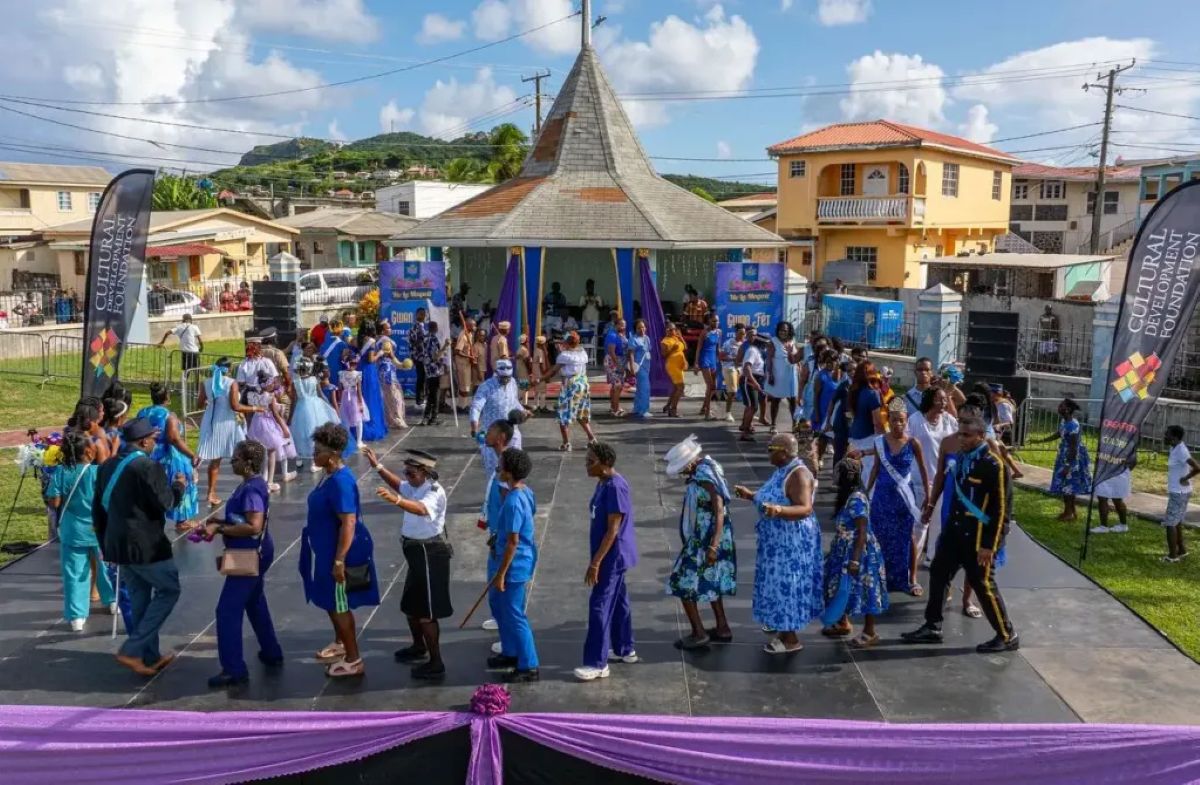
image credit: stlucia
Saint Lucia will celebrate its La Marguerite Flower Festival on 17 October 2026. The event brings a powerful part of the island’s old culture into the present day. It is full of song, dance, ceremony and community pride. Visitors will see people dressed in white. They will hear Kwéyòl songs. They will watch a tradition that has lived for more than 250 years.
The festival is not just a colourful day out. It tells a deep story about Saint Lucia. It shows how communities kept their culture alive through hard times. It also gives travellers a chance to see the island beyond its beaches, resorts and blue sea.
The Saint Lucia Tourism Authority has listed the La Marguerite Flower Festival for 17 October 2026. It comes during Creole Heritage Month, when communities across the island celebrate their language, food, music and local history.
Advertisement
Advertisement
A Festival With Deep Saint Lucian Roots
La Marguerite is also known as La Magwit in Saint Lucian Kwéyòl. It is one of the island’s two famous flower societies. The other is La Rose, which celebrates its own festival on 30 August.
The two societies are linked by history. Each one honours a flower. Each has its own songs, customs and supporters. For many years, people joined one society or the other. The groups became important places for friendship, help and shared identity.
La Marguerite celebrates its main feast on 17 October. This is linked to the feast day of St Margaret Mary Alacoque, the society’s patron saint. The festival has continued across generations. It has stayed important even as Saint Lucia has changed.
This makes the event special for travel and tourism. It is not a show created only for visitors. It is a living community tradition. People take part because it belongs to their families, villages and cultural memory.
White Clothing and a Proud Community Celebration
La Marguerite is known as the counterpart to La Rose. La Rose members traditionally use red. La Marguerite participants dress in white for their celebration. The clothing adds a clear visual identity to the day.
The festival brings together many people. There are singers, dancers, musicians, elders, young people and community groups. Participants may also take ceremonial roles. These roles can include a king, queen, princes, princesses, soldiers, police officers, nurses and other figures in a symbolic royal court.
This court reflects an old social structure. Yet it is also playful and creative. People follow formal rules during the event. The ceremony gives everyone a role. It turns the festival into a moving story told through costume, music and performance.
For visitors, the white clothing, processions and music can create a striking picture. But the deeper meaning matters most. The festival shows unity. It lets Saint Lucians celebrate who they are and where they come from.
Advertisement
Advertisement
Grand Séances Build Excitement Before the Main Day
The celebration does not begin only on 17 October. Communities prepare before the feast day through grand séances. These are evening gatherings built around singing, dancing and social life.
A séance can last late into the night. People sing traditional songs. They dance. They talk. They enjoy food and drinks. Games may also be part of the gathering. These events help communities prepare for the main festival.
The chantwèl is a key person at a séance. This lead singer guides the music. The group responds in chorus. This call-and-response style gives the songs great energy. It also allows people to join in, even if they are not professional performers.
Many songs are sung in Kwéyòl. This keeps Saint Lucia’s French Creole language strong in public life. The words may praise La Marguerite. They may celebrate the society’s king and queen. They may also gently tease the rival La Rose society.
This friendly rivalry gives the music life. It adds humour and spirit. It also protects songs and stories that could otherwise disappear.
Traditional Music and Dance Take Centre Stage
Music is at the heart of La Marguerite. The festival can feature violin, banjo, cuatro, guitar, shak-shak, baha and drums. These instruments create a sound that is closely linked to Saint Lucia’s heritage.
The songs can be joyful and fast. They can also be slow and thoughtful. The lead singer sets the mood. The chorus follows. The music brings people together across age groups.
Dance is equally important. Séances may have relaxed and spontaneous dancing. The Grande Fête, or main festival celebration, is more formal. Visitors may see traditional dance forms such as quadrille, lancers and belair.
These dances are more than entertainment. They carry history. They show how African, French and Caribbean influences came together in Saint Lucia. Every movement and song helps pass cultural knowledge from one generation to the next.
Advertisement
Advertisement
Church Service Parade and Grande Fête
The full programme and host venue for the 2026 festival have not yet been announced. However, recent editions show the type of experience travellers can expect.
The day often begins with a church service. This reflects the festival’s link with St Margaret Mary Alacoque. After the service, groups parade through the host town. The procession brings music, costumes and ceremonial characters into the streets.
The celebration then leads to the Grande Fête. This is the public cultural climax. Groups perform songs and dances. Community members gather. The event becomes a shared space for food, music, laughter and pride.
A recent edition in Vieux Fort followed this pattern. It began with worship, moved into a street parade and ended with performances in a public square. The 2026 location may differ, so travellers should check Saint Lucia’s official tourism and cultural channels closer to the date.
Why La Marguerite Matters for Saint Lucia Travel
La Marguerite offers a different view of Saint Lucia. It takes visitors into the island’s real cultural life. It shows that travel can be about listening, learning and joining a respectful community celebration.
October is already important because of Creole Heritage Month. La Marguerite adds a major cultural moment to the calendar. It gives travellers a reason to explore local towns, try Creole food, hear Kwéyòl spoken and understand the island’s identity.
The festival also supports cultural preservation. Young people can watch, learn and take part. Communities can keep their songs, dances and traditions alive. For Saint Lucia, that is a powerful form of heritage tourism.
On 17 October 2026, La Marguerite will once again fill Saint Lucia with white clothing, traditional music and community spirit. It will remind visitors that the island’s most powerful stories are often found far beyond the shore.
Advertisement
