
Aruba Aligns with Curaçao and Others as Saint Lucia and Dominican Republic Unlock Over 5% Tourism GDP Boom with Iconic Attractions and Luxury Escapes

Published
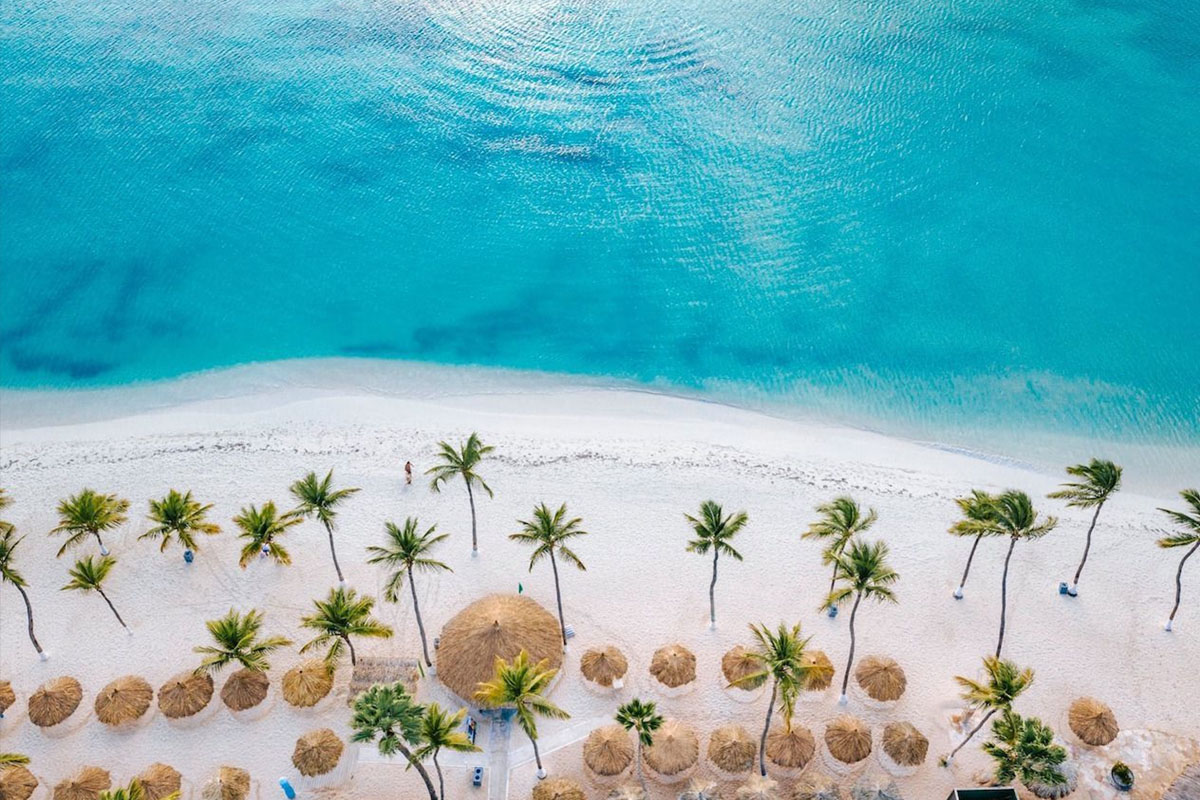
As of October 2026, the Caribbean is undergoing a major shift in its economy driven by high-end services. As regional demand for travel returns to pre-pandemic levels, select countries in the region have experienced explosive growth in their tourism economies. The Dominican Republic and Saint Lucia, along with Curaçao and Aruba, have set their countries’ economic growth records with the help of improved luxury infrastructure, high average daily room rates, and increased development of cruise port facilities. This article provides information about recent government changes and new building projects in the region to assist and support the growth of the international tourism industry.
Background: The 2026 Macroeconomic and Regional Tourism Pivot
In the final quarter of 2026, the global travel landscape is witnessing a structural maturation. According to the latest macroeconomic and regional tourism reports from institutions such as the World Bank and the International Monetary Fund (IMF), the Caribbean region’s combined nominal GDP is projected to hover around US$420 billion, supported by an average real growth rate of 3.4%. However, beneath these regional averages lies a highly concentrated wealth generation mechanism. A select group of powerhouse Caribbean service economies has successfully transcended traditional volume-based tourism models, pivoting aggressively toward premium market positioning.
Advertisement
Advertisement
This strategic transition is fundamentally altering the economic fabric of the region. By prioritising high average daily rates (ADR) and implementing massive luxury infrastructure pipelines, these forward-thinking nations are insulated against global inflationary pressures and shifting consumer spending habits. The Caribbean Tourism Organization (CTO) noted in its 2026 industry briefings that destinations focusing on sustainable, high-yield visitor demographics are outperforming those relying purely on mass-market discount travel. Consequently, Caribbean tourism GDP is no longer just a measure of footfall; it is a sophisticated metric of foreign direct investment, brand equity, and premium infrastructural development.
Curaçao: Engineering a 5.4% Economic Expansion
Breaking Down the Structural Surge
Curaçao stands as one of the most prominent success stories in the 2026 Caribbean economic landscape. Traditionally recognised for its financial services and transshipment hubs, the island has engineered a phenomenal sector-led revitalisation. Current official statistics confirm that tourism now accounts for an extraordinary 48% of Curaçao’s national GDP. This immense concentration of capital in the hospitality sector has directly resulted in the island logging a formidable 5.4% economic growth rate, radically outperforming historical baselines and many regional peers.
Advertisement
Advertisement
The Central Bank of Curaçao and Sint Maarten (CBCS) has closely monitored this upward trajectory, attributing the success to a combination of double-digit stayover arrival growth, an aggressively expanded lodging capacity, and a meticulously structured foreign direct investment (FDI) framework. Supported by a robust Dutch legal system and a currency securely pegged to the US Dollar, Curaçao offers an operational stability that international hospitality developers find highly lucrative.
Massive Luxury Infrastructure Pipelines
The cornerstone of Curaçao’s GDP boom lies within its rapid commercial real estate and hospitality expansion. The 2026 lodging boom is characterised by multi-million dollar luxury footprints that have entirely modernised the island’s southern coastline. A prime example is the newly inaugurated TUI Blue Curaçao in Santa Marta. This premium all-inclusive beachfront hotel merges luxury with environmental sustainability, featuring expansive solar energy integrations, efficient water management systems, and swim-up oceanfront rooms that command exceptionally high average daily rates.
Advertisement
Advertisement
Simultaneously, the capital city of Willemstad has seen the rise of the Pyrmont Curaçao, an Autograph Collection property situated in the historic Penstraat district. This development caters specifically to high-net-worth cultural travellers. Furthermore, premier developments at the Blue Bay Curaçao Golf & Beach Resort and the highly commercialised ONE Mambo Beach sector continue to drive massive upscale traffic. These monumental projects do not merely add room inventory; they fundamentally elevate the destination’s market positioning, ensuring that the Caribbean tourism GDP generated is of the highest possible yield.
Policy, FDI, and Future Outlook for Curaçao
Looking ahead, the government of Curaçao has implemented an “Open Arms Policy” designed to streamline further investments into digital economies and sustainable hospitality. By facilitating tax incentives for green energy transitions and modern property management technologies, the island is future-proofing its core economic engine. The combination of its hurricane-free geographic advantage and premium infrastructural readiness guarantees that Curaçao will remain a top-tier investment destination throughout the remainder of the decade.
Aruba: Mastering the High-Yield Tourism Engine
Analysing the 8.9% Stay-Over Visitor Surge
Aruba has long been a heavyweight in the Caribbean tourism sector, but its performance in 2026 has redefined industry benchmarks. Early 2026 data released by the Central Bank of Aruba and the Aruba Tourism Authority (ATA) reveals a staggering 8.9% year-on-year surge in international stay-over visitors. This surge builds upon the historic 1.5 million stayover visitors recorded in the previous calendar year, cementing Aruba’s reputation as a highly efficient, high-yielding tourism engine.
What separates Aruba from its competitors is its unparalleled market penetration in the United States, which accounts for roughly 75% of its incoming demographics. The island has managed to continually attract an affluent traveller base willing to spend heavily. The Queen Beatrix International Airport processed well over 3.4 million passengers recently, reflecting a highly optimised aviation strategy that prioritises direct, premium routes from major North American and European hubs.
Elevated RevPAR and Branded Residences
Aruba’s economic strategy relies heavily on maximising the revenue generated per visitor. Recent central bank statistics indicate that the average spend per stayover visitor has climbed to approximately $1,949. Furthermore, the Revenue Per Available Room (RevPAR) consistently peaked at over $400 during the high season, a metric that places Aruba among the most lucrative hospitality real estate markets globally.
This profitability is driven by the rapid proliferation of high-end branded residences and alternative premium accommodations. Rather than relying solely on traditional all-inclusive mega-hotels, Aruba has positioned its premier beach infrastructure as a high-spend commercial opportunity for luxury short-term rentals and exclusive branded villas. This diversification of the lodging portfolio ensures that wealthy travellers have access to highly private, bespoke experiences, which in turn fuels local property markets and construction sectors.
Advertisement
Advertisement
Economic Implications for a Mature Market
For Aruba, where tourism receipts account for over 80% of total export revenues, sustaining this momentum is a matter of national security. The government has focused its policy frameworks on preventing over-tourism while maximising profitability. By deliberately targeting high-net-worth individuals and enforcing strict environmental building codes, Aruba ensures that its contribution to the broader Caribbean tourism GDP remains structurally sound and ecologically viable for generations to come.
Dominican Republic: The Undisputed Scale Winner
Dissecting the 11.6 Million Visitor Benchmark
Operating on an entirely different scale from the smaller islands, the Dominican Republic serves as the overarching titan of the region. The Ministry of Tourism officially reported a historic benchmark of 11.6 million total visitors, a figure that shatters all previous regional records. This phenomenal volume, coupled with rising visitor expenditure, generated an unprecedented $10.97 billion in tourism revenue.
While the sheer numbers are staggering, the economic brilliance lies in the diversification of these arrivals. The 11.6 million figure comprises approximately 8.8 million air arrivals and 2.8 million cruise passengers. By aggressively expanding both its aviation network and its maritime infrastructure, the Dominican Republic has captured multiple segments of the global travel market simultaneously, cementing its role as the dominant force in the Caribbean service economies.
Mega-Cruise Dominance: Amber Cove and Taíno Bay
The 2.8 million cruise arrivals are largely the result of massive structural investments in northern coastal hubs. The province of Puerto Plata has experienced a commercial renaissance due to the colossal success of two primary ports: Amber Cove and Taíno Bay. Developed in partnership with the Carnival Corporation, the 30-acre Amber Cove facility offers a comprehensive resort experience directly at the pier, complete with massive swimming pools, overwater cabanas, and extensive retail marketplaces.
Similarly, Taíno Bay accommodates the newest and largest vessels from international cruise conglomerates. These ports serve as vital economic arteries, injecting millions of dollars daily into the local economy through shore excursions, cultural tours, and retail spending. This unprecedented regional passenger volume provides a stable, year-round economic stimulus that supports tens of thousands of local jobs and micro-enterprises.
Resort Expansions: Samaná Peninsula and Bavaro Beach
Beyond the maritime sector, the Dominican Republic’s terrestrial lodging capacity is staggering, boasting over 92,000 hotel rooms nationwide. The nation’s economic growth is heavily supplemented by sprawling luxury resort expansions in geographically diverse regions. The Samaná Peninsula is rapidly developing into an exclusive enclave for eco-luxury and premium wellness retreats, attracting European and North American investors seeking pristine, lower-density environments.
Advertisement
Advertisement
Conversely, the Bavaro Beach corridor in Punta Cana continues to see massive capital injections, upgrading existing properties to ultra-luxury standards. By elevating the quality of these resorts, the Dominican Republic is actively raising its high average daily rates, ensuring that even as visitor numbers scale, the economic yield per tourist continues to climb exponentially.
Saint Lucia: The Pinnacle of Caribbean Luxury and Wellness
The 125% Travel Search Spike and 50% Service Export Reliance
In the Eastern Caribbean, Saint Lucia stands out as a highly specialised, elite destination. Managing a compact but deeply strategic economy with a national GDP of approximately US$2.66 billion, Saint Lucia relies on services exports for over 50% of its economic output. Driven by a world-class luxury tourism sector, the island’s GDP is projected by the IMF and World Bank to grow by a healthy 4.1% in 2026.
The global appetite for Saint Lucia’s offerings is evidenced by a staggering 125% spike in international travel searches throughout 2026. This surge in digital interest translates directly into high-yield bookings. The island has successfully positioned itself at the absolute pinnacle of the romantic, wellness, and experiential travel markets, capturing a highly affluent demographic that remains largely unaffected by global cost-of-living crises.
Experiential Travel: Les Pitons and Soufriere Bay
Saint Lucia’s competitive advantage is heavily rooted in its dramatic topography and premium wellness offerings. Experiential travel is entirely centred around the island’s iconic, UNESCO World Heritage-listed landmarks: Les Pitons and Soufriere Bay. The resorts nestled between these volcanic spires command some of the highest ADRs in the entire hemisphere.
Visitors to these elite enclaves are not merely paying for accommodation; they are investing in bespoke wellness programmes, volcanic mud therapies, private yacht charters, and immersive culinary experiences. The government of Saint Lucia has carefully managed the development of this region to prevent ecological degradation, ensuring that the exclusivity and pristine nature of the landscape are preserved. This commitment to regenerative tourism fundamentally supports the long-term viability of its Caribbean tourism GDP.
Digital Consumers and Retail Spillovers
The economic impact of this luxury tourism extends far beyond the resort gates. Premium tourism revenue spillover has created a robust middle and upper-middle class within Saint Lucia. As luxury resort capacity expands, the economic benefits increasingly reach resident suppliers, food producers, and artisans through sophisticated hotel procurement and supplier linkage programmes. This creates concentrated market opportunities for international brands and distributors targeting the Rodney Bay and Castries retail corridors, driving up local real estate values and consumer spending.
Advertisement
Advertisement
Latest Official Developments and Government Announcements
The unprecedented growth across these four nations is not accidental; it is the result of highly coordinated regional and national policy frameworks. In late 2026, the Caribbean Tourism Organization (CTO) launched its Reimagine Plan 2025–2027, anchored by the strategic theme: “Digital Agenda and Artificial Intelligence to Redesign Tourism.”
Official statements from CTO leadership emphasise that the future of Caribbean tourism GDP depends on leveraging AI and digital intelligence to optimise market competitiveness and operational excellence. Governments across Curaçao, Aruba, the Dominican Republic, and Saint Lucia are actively subsidising the digitisation of small and medium-sized tourism enterprises. By deploying advanced predictive analytics, these nations can better forecast travel trends, optimise flight routing, and manage environmental footprints, ensuring that the economic boom is both scalable and sustainable.
Deep Policy Implications for the Region
The rapid acceleration of these Caribbean service economies carries profound policy implications. Central banks and finance ministries are currently tasked with managing the inflationary pressures that often accompany massive FDI inflows and surging tourist spending. To combat the rising cost of living for local residents, governments are implementing targeted subsidies and affordable housing programmes, ensuring the local workforce is not priced out of their own communities.
Furthermore, environmental policy has taken centre stage. With the expansion of mega-cruise ports in the Dominican Republic and massive resort footprints in Curaçao, environmental ministries are enforcing rigorous coastal protection and marine sanitisation laws. The shift toward sustainable luxury is not merely a marketing tactic; it is a legislated requirement designed to protect the very natural assets that generate the region’s wealth.
Industry Impact: Supply Chains and Aviation
The ripple effects of this macroeconomic pivot are being felt across global aviation and maritime supply chains. International airlines are aggressively expanding their Caribbean routes, deploying larger, fuel-efficient aircraft to meet the premium demand. This enhanced airlift directly benefits the local agricultural and logistics sectors.
As hotels require higher volumes of premium local produce to satisfy the palates of high-net-worth travellers, agricultural linkages are strengthening. Local farmers and logistics providers are securing lucrative, long-term contracts with major resort chains, thereby diversifying the rural economy and reducing the region’s historical reliance on imported foodstuffs. This localised economic circulation is a vital component of the soaring Caribbean tourism GDP.
Advertisement
Advertisement
Future Outlook for the Caribbean Service Economy
Looking toward 2027 and beyond, the verified data points to a sustained era of prosperity for these leading destinations. While the initial post-pandemic surge will inevitably normalise, the structural transformations achieved by Curaçao, Aruba, the Dominican Republic, and Saint Lucia are permanent. By deliberately pivoting toward high-yield luxury markets, expansive cruise operations, and premium experiential travel, these nations have effectively insulated their economies against routine global market fluctuations.
The continued integration of smart technologies, coupled with an unwavering commitment to regenerative tourism, ensures that the Caribbean will remain a formidable powerhouse on the global stage. For international investors, hotel conglomerates, and global travellers, the region represents the ultimate convergence of natural beauty, sophisticated infrastructure, and unmatched economic vitality.
Advertisement
