




































US Issues New Travel Advisory For Saudi Arabia Amid Regional Security Risks And Drone Threats Affecting Riyadh And Jeddah Tourists

Updated
Published
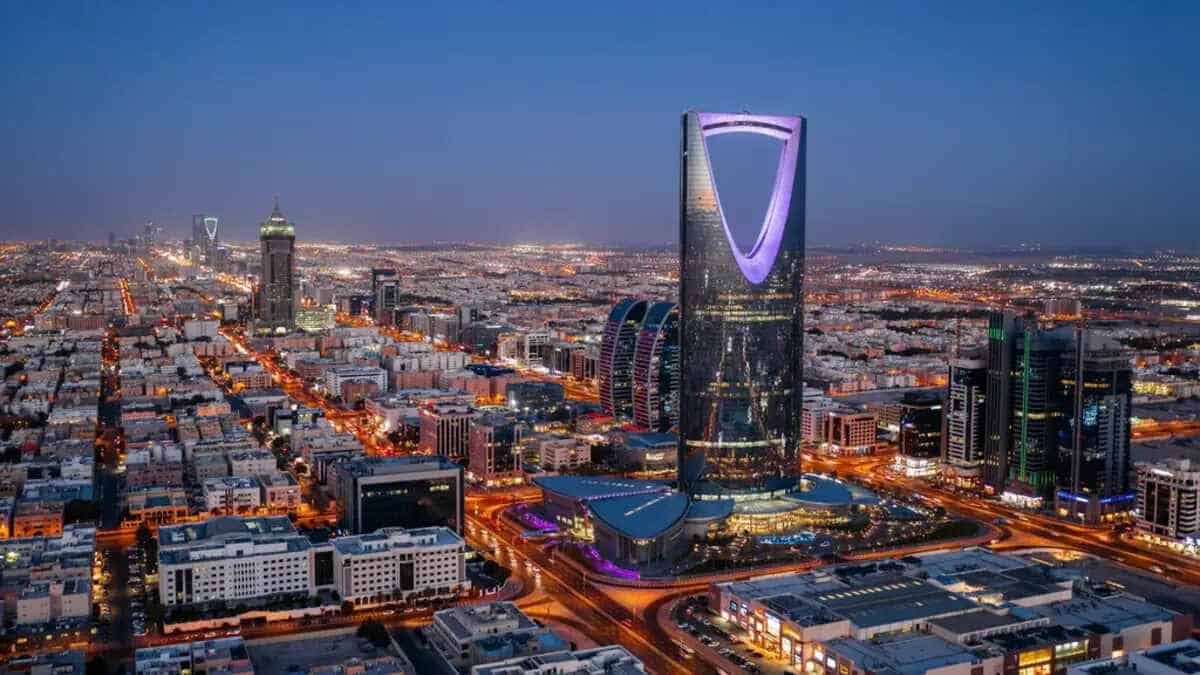
Image generated with Ai
Travel advice issued to Saudis due to US warning amid drone attacks. People traveling to Saudi Arabia are advised to reconsider their travel plans following a Level 3 Reconsider Travel advisory from the US on the country. There have been warnings about regional conflicts, Iranian missiles and drones attacks, terrorism, aviation issues, travel bans, and restrictions on the use of social media. While there are no disruptions to commercial flights, people who will be traveling through major entry points like Riyadh and Jeddah may require flexibility.
Why Has The US Issued A Level 3 Advisory For Saudi Arabia?
The latest guidance places Saudi Arabia at Level 3 – Reconsider Travel, signalling that US citizens should carefully assess the security situation before making a journey.
Several separate risks have been identified. These include the possibility of Iranian missiles and drones targeting American interests, continuing regional armed conflict, terrorism, exit bans and Saudi laws governing online and social media activity.
The advisory also distinguishes between the nationwide Level 3 recommendation and areas carrying a more serious Level 4 – Do Not Travel warning.
The area near the Yemen border carries the stronger warning because of terrorism and other security threats.
The guidance therefore does not treat every part of Saudi Arabia in exactly the same way. Tourists planning an itinerary should check where they are travelling rather than relying only on the country’s overall advisory level.
For travellers heading to Riyadh or Jeddah, the immediate implications centre on situational awareness, possible aviation disruption, security precautions and maintaining flexible travel arrangements.
Saudi Arabia Travel Advisory At A Glance
| Travel issue | Current advisory information | What tourists should consider |
|---|---|---|
| Overall Saudi Arabia advisory | Level 3 – Reconsider Travel | Review the need for travel and monitor official security information |
| Yemen border | Level 4 – Do Not Travel | Avoid affected border areas |
| Drone and missile threats | Continuing regional threat highlighted | Monitor alerts and avoid sensitive facilities |
| Commercial flights | Operational but have faced significant disruption at times | Check flights frequently and allow flexibility |
| Terrorism | Attacks may occur with little or no warning | Remain vigilant around crowded and prominent locations |
| Riyadh and Jeddah travel | Major tourism and aviation centres remain relevant to travellers | Follow local guidance and check transport arrangements |
| Exit bans | Can result from certain legal, financial and other disputes | Follow visa and local legal requirements carefully |
| Social media | Online activity can carry serious legal consequences | Understand Saudi cybercrime and public-order laws |
| Medication | Some prescription drugs require prior approval | Complete necessary registration before travelling |
| Travel insurance | Strongly recommended | Check medical, cancellation and evacuation provisions |
Iranian Drone And Missile Threats Add A New Layer To Travel Planning
A central part of the advisory concerns the regional security environment.
According to the information provided, following the onset of hostilities between the United States and Iran on 28 February 2026, an ongoing threat from Iranian missile and drone attacks has remained.
The warning is particularly significant because previous attacks have targeted a broad range of locations and infrastructure, including cities, airports, military bases, diplomatic sites, infrastructure and energy facilities.
For tourists, the danger is not limited to a direct strike. The advisory also highlights the potential danger from falling debris after missiles or drones are intercepted.
Travellers staying close to military installations and energy infrastructure may consequently face increased exposure, particularly in areas closer to Yemen.
The advisory further states that Iran-backed Houthi forces in Yemen have threatened renewed attacks against Saudi Arabia.
These conditions make advance planning increasingly important. Travellers should monitor official information throughout their stay rather than treating a security check before departure as sufficient.
What The Warning Means For Riyadh And Jeddah Tourists
Riyadh and Jeddah are particularly important from a tourism perspective because international travellers frequently use them as gateways for Saudi trips.
The advisory information supplied does not state that tourists must avoid either city. However, the broader national Level 3 warning means visitors travelling through them are being encouraged to reconsider their journey and remain alert.
The risk assessment becomes particularly relevant around airports, transportation hubs, hotels, large gatherings, entertainment venues and locations frequented by foreigners, because these are among the types of places identified as potential targets in the terrorism guidance.
Travellers should therefore pay attention to changing local conditions.
An itinerary that looks straightforward when booked may require adjustment if regional developments affect flights, transport services or access to particular locations.
Visitors should also keep passports, travel documents, airline details and emergency information readily accessible.
Commercial Flights Continue But Disruption Remains A Concern
Saudi Arabia remains connected to international aviation networks, and the advisory information says that commercial flights are operational.
However, operations have been significantly disrupted at times because of the regional security environment.
That distinction matters for tourists.
An operational airport does not necessarily mean every flight will operate according to its original schedule. Travellers may still encounter changes caused by airline decisions, airspace restrictions or evolving security assessments.
The US Federal Aviation Administration has also issued aviation-related notices because of risks to civil aviation operating within or close to the Persian Gulf and Gulf of Oman region, including Saudi Arabia.
Passengers using Riyadh and Jeddah should therefore check their flight status directly before travelling to the airport and continue monitoring their airline during the journey.
Travellers connecting through other Gulf hubs may also want to allow additional time between flights where possible.
Terrorism Warning Extends To Tourist Locations And Large Gatherings
Terrorism forms another major component of the advisory.
The guidance warns that terrorist violence and related activity remain possible in Saudi Arabia and that attacks could occur with little or no warning, particularly around holidays.
Potential methods identified include knives, firearms and vehicles.
The locations identified as possible targets are particularly relevant to international visitors. They include:
- Tourist locations and large gatherings
- Hotels and locations frequented by Americans
- Transportation hubs
- Markets and shopping malls
- Entertainment venues
- Political, cultural and religious locations
- Government facilities
Visitors are therefore advised to maintain awareness in crowded locations and tourist areas.
This does not mean every such location is facing an immediate threat. Rather, the advisory asks travellers to recognise the types of environments where greater vigilance may be appropriate.
Yemen Border Carries The Strongest Warning
The security picture changes substantially closer to Yemen.
The relevant border area has been placed under Level 4 – Do Not Travel because of terrorism concerns.
US government employees working in Saudi Arabia are prohibited from travelling within 20 miles of the Yemen border.
Additional restrictions apply to government personnel elsewhere. Non-essential travel to Qatif is prohibited for US government employees, while special authorisation is required for travel to Jizan, Asir, Najran and Qatif provinces.
These restrictions apply specifically to US government personnel, but they provide useful context for ordinary tourists assessing regional risks.
Travellers considering itineraries outside Saudi Arabia’s principal tourism centres should therefore examine destination-specific advice carefully.
Exit Bans Could Leave Travellers Unable To Depart
One of the most consequential warnings concerns exit bans.
US citizens have previously been prevented from leaving Saudi Arabia because of pending legal matters and disputes.
According to the supplied guidance, possible triggers can include criminal and civil investigations, unpaid visa-overstay fees, domestic family disputes, financial disagreements and labour disputes.
An exit ban means the person concerned cannot leave Saudi Arabia.
Importantly, such restrictions can remain in place for extended periods. In some cases, they may continue even after a criminal sentence has been completed or a private legal dispute has been settled.
For tourists, the message is straightforward: visa requirements, financial obligations and Saudi law need to be taken seriously throughout the visit.
Social Media Activity Can Have Serious Legal Consequences
Travellers also need to understand that online behaviour considered normal elsewhere may have different legal consequences in Saudi Arabia.
Authorities may detain individuals when online activity is regarded as critical, offensive or disruptive to public order.
The advisory states that US citizens have been arrested over previous social media activity, including material posted while they were outside Saudi Arabia.
This can potentially involve posting, reposting or liking comments concerning the Saudi government, its leadership, policies, religion or public life.
Saudi cybercrime and terrorism laws may also be applied to cases involving social media.
According to the information supplied, punishments connected with social media activity have included prison sentences of up to 45 years.
Travellers are therefore advised to review their digital activity before visiting and understand that authorities may consider older material regardless of where it was originally posted.
Prescription Medication Needs Advance Planning
Medication is another issue travellers should address well before departure.
The advisory says that many prescription medicines require prior approval before they can be brought into or taken out of Saudi Arabia.
Travellers carrying listed medicines are advised to register them through Saudi Arabia’s Controlled Drug System.
The approval procedure can take several weeks, making last-minute preparation risky for visitors who depend on regulated medication.
Tourists should therefore check medication requirements well before their departure date and carry appropriate supporting documentation.
What Tourists Can Do Before Travelling
US citizens proceeding with Saudi Arabia travel are encouraged to enrol in the Smart Traveler Enrollment Program, or STEP. This allows the US embassy or consulate to send relevant updates and can help diplomatic officials contact travellers or their emergency contacts during an emergency.
Visitors should also monitor local information, remain aware of their surroundings and maintain an independent emergency departure plan.
Travel documents should remain current and easily accessible.
Visitors are advised to stay particularly alert around large crowds and tourist locations and to understand Saudi public-decency requirements.
Illegal drugs must not be carried, produced, used or distributed.
Travellers should additionally familiarise themselves with Saudi rules concerning public behaviour, including restrictions that may affect public displays of affection.
Travel Insurance Becomes Particularly Important
The advisory strongly recommends purchasing travel insurance before visiting Saudi Arabia.
Travellers should not simply assume that every policy provides the same protection. They should check whether their chosen coverage includes medical expenses, evacuation assistance and trip cancellation.
This becomes especially relevant when regional security conditions can potentially alter airline schedules or require travellers to adjust their plans quickly.
Visitors should also have a plan for leaving Saudi Arabia during an emergency that does not depend on assistance from the US government.
Saudi Trips Now Require More Preparation And Flexibility
The Level 3 advisory does not amount to a blanket prohibition on travel throughout Saudi Arabia. Commercial flights continue, and the guidance distinguishes the nationwide Reconsider Travel recommendation from the stronger Do Not Travel warning applying to the Yemen border area.
Nevertheless, the combination of regional conflict, Iranian missile and drone threats, terrorism concerns, aviation uncertainty, exit bans and strict local laws creates additional considerations for tourists.
For visitors travelling through Riyadh and Jeddah, preparation is increasingly important. Flight schedules should be checked regularly. Official security information should be monitored. Travel documents should remain accessible. Medication rules should be addressed early, and comprehensive insurance should be considered before departure.
Most importantly, travellers should recognise that conditions can change quickly.
The US releases a new travel advisory for Saudi Arabia due to security concerns in the region, dangers from drones, and air traffic safety considerations that may affect the vacation planning of tourists.
Tourists can reach Saudi Arabia by regular flights, although the current advisory from the US increases the burden of knowledge on tourists concerning security situation and compliance with laws as well as preparedness to change plans if necessary.
