 Somudranil Sarkar Somudranil Sarkar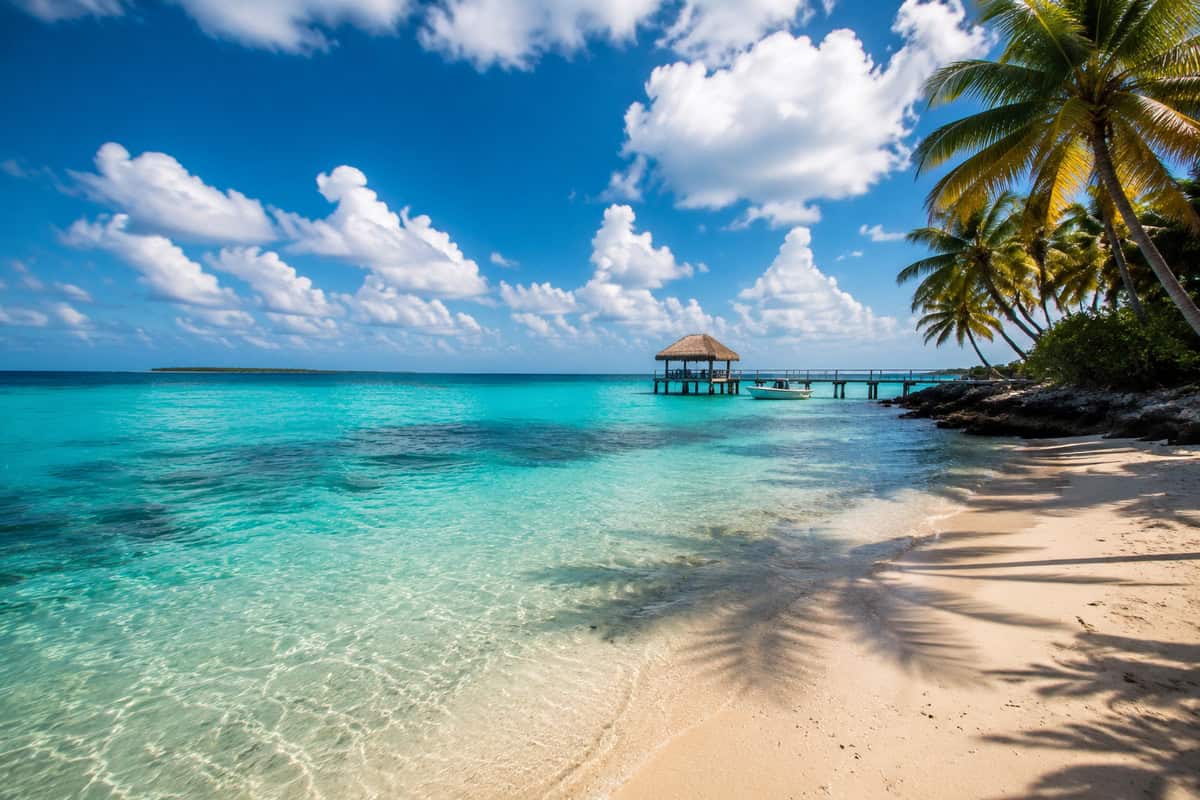
Image generated with Ai
Belize is increasingly being recognised as one of the Caribbean’s most captivating destinations, where sustainable tourism, the Great Blue Hole, the Belize Barrier Reef, Mayan archaeological sites, and pristine island experiences come together to create an extraordinary journey. Nestled between Mexico and Guatemala, the country boasts 386 kilometres of Caribbean coastline and access to one of the planet’s richest marine ecosystems. Beyond its celebrated diving sites, Belize continues to strengthen its reputation through conservation initiatives, eco-friendly resorts, community-led tourism and cultural preservation. These qualities were recently placed in the international spotlight when the country welcomed delegates from across the world during the Caribbean Conference on Sustainable Tourism Development, demonstrating how environmental protection and tourism growth can successfully progress together.
Positioned between Mexico to the north and Guatemala to the south, Belize occupies a unique place within Central America, where tropical forests meet the turquoise waters of the Caribbean Sea.
Its relatively compact size has not limited its tourism appeal. Instead, Belize has built an international reputation by protecting its remarkable natural assets while encouraging responsible visitor experiences that benefit local communities.
The country’s commitment to sustainable tourism was recently demonstrated during the Caribbean Conference on Sustainable Tourism Development, organised by the Caribbean Tourism Organization (CTO) in collaboration with the Belize Tourism Board.
Advertisement
Advertisement
Over four days, approximately 350 delegates representing 29 countries gathered to exchange ideas, explore Belize’s tourism model and witness firsthand how environmental conservation, cultural heritage and tourism development can complement one another.
The event also highlighted Belize’s growing influence as a destination capable of balancing economic opportunity with ecological responsibility.
Among Belize’s greatest treasures is the Belize Barrier Reef, the second-largest coral reef system in the world after Australia’s Great Barrier Reef.
Stretching approximately 1,000 kilometres from Mexico to Honduras, a significant portion of this spectacular reef lies directly off Belize’s coastline.
The reef supports exceptional marine biodiversity and has become one of the world’s premier destinations for scuba diving, snorkelling and marine conservation.
Its crystal-clear waters provide ideal conditions for exploring vibrant coral gardens, colourful tropical fish and protected marine habitats that continue attracting travellers from every continent.
The reef also serves as an essential environmental barrier, protecting Belize’s coastline while supporting fisheries and coastal ecosystems that sustain local communities.
Among Belize’s internationally recognised natural landmarks, the Great Blue Hole remains one of the country’s most iconic attractions.
First brought to widespread international attention by Jacques Cousteau during the 1970s, this enormous marine sinkhole has become synonymous with world-class diving.
Its dramatic circular formation, deep blue waters and surrounding reef ecosystems continue attracting experienced divers eager to explore one of the Caribbean’s most remarkable underwater landscapes.
Beyond the Great Blue Hole, Belize also features approximately 450 cays, together with numerous coral atolls that further enrich the country’s extraordinary marine environment.
One of Belize’s most remarkable natural environments is Turneffe Atoll, recognised as the largest atoll in the Western Hemisphere.
The protected area has been managed since 2013 through a partnership between the Belizean Government and the Turneffe Atoll Sustainability Association (TASA).
Conservation efforts are guided by four principal objectives:
Management teams work continuously to combat illegal lobster fishing while protecting fragile marine habitats from the increasing impacts of climate change and changing ocean conditions.
These efforts demonstrate Belize’s long-term commitment to safeguarding marine biodiversity while supporting responsible tourism activities.
Belize’s environmental commitment is not limited to coral reefs alone.
Within the Kalabash Nature Trail, visitors encounter dense coastal forests uniquely adapted to sandy soils and saltwater environments.
The landscape includes shrubs, palms, conifers and deciduous trees that play an essential role in stabilising coastlines during hurricanes and seasonal flooding.
Although tropical mosquitoes remain an unavoidable part of the experience, those who complete the trail are rewarded with sweeping panoramic views across mangrove forests and surrounding coastal ecosystems.
The trail provides an excellent example of how Belize combines ecological education with nature-based tourism.
Several accommodation providers offer experiences closely connected to Belize’s marine environment.
Blackbird Caye Dive Resort caters particularly to scuba diving and snorkelling enthusiasts through all-inclusive packages and private waterfront cabanas.
Turneffe Flats has become well known among sea fishing enthusiasts while maintaining a strong commitment to environmentally responsible tourism.
Turneffe Island Resort combines luxury accommodation with fly fishing, scuba diving and peaceful island relaxation.
Travellers seeking sailing experiences can choose Belize Sailing Vacations, where luxury cruises include gourmet dining together with guided exploration activities.
These diverse accommodation options enable visitors to experience Belize’s natural environment while supporting sustainable tourism operations.
Another of Belize’s outstanding marine attractions is the Hol Chan Marine Reserve, located near Ambergris Caye and Caulker Caye.
Protected since 1987, Hol Chan became Belize’s very first marine park.
Accessible after a 40-minute sailing journey from Belize City aboard the Sirena Azul, the reserve offers exceptional opportunities for guided snorkelling among vibrant coral reefs.
Visitors regularly encounter:
The activity, offered through the dive centre at Blue Tang Inn in San Pedro, provides one of Belize’s most memorable underwater experiences while promoting responsible marine tourism.
Belize’s tourism appeal extends well beyond its coastline.
Deep within the Belizean rainforest lies Lamanai, one of the country’s most significant Mayan archaeological sites.
Discovered by archaeologists during the 1960s and 1970s, the ancient settlement takes its name from the Mayan phrase meaning submerged crocodiles.
Reaching the site requires a combination of transport options from San Pedro, including boat transfers, buses and lagoon crossings, transforming the journey itself into part of the adventure.
Between 500 and 600 BC, Lamanai formed the centre of a thriving community estimated to have supported approximately 60,000 inhabitants.
Today, visitors can explore surviving structures including the Temple of the Jaguar, the Temple of the Masks, an ancient ballcourt and preserved stone walls surrounded by lush tropical forest.
The site offers a remarkable insight into Belize’s pre-Columbian history while complementing its marine tourism attractions.
Accommodation throughout Belize reflects the country’s diverse tourism offering.
Blue Tang Inn, situated on the beachfront in San Pedro, combines luxury accommodation with direct access to sailing excursions and guided snorkelling experiences.
For visitors exploring Ambergris Caye, the Watermark Hotel provides convenient access to restaurants, craft shops, grocery stores and beachfront amenities, together with a rooftop swimming pool overlooking the surrounding area.
These properties demonstrate how hospitality services continue evolving alongside Belize’s growing international tourism industry.
Cruise tourism has become an increasingly important component of Belize’s visitor economy.
Major cruise operators including MSC, Royal Caribbean, NCL, Carnival and Celebrity now regularly include Belize City within Caribbean itineraries.
Rather than simply increasing visitor numbers, the Belize Tourism Board is evaluating new approaches designed to ensure cruise tourism delivers broader economic benefits.
Discussions have focused on creating employment opportunities for young Belizeans while strengthening local businesses, restaurants, hotels and tourism services.
Educational institutions are also participating in conversations regarding tourism training programmes, recognising that sustainable tourism depends as much upon community development as environmental conservation.
Tourism specialists have further highlighted the importance of ensuring local residents remain active participants in shaping cruise tourism governance and future destination planning.
Travellers planning a visit to Belize may benefit from several practical considerations.
The country’s capital is Belmopan, although Belize City continues serving as its largest metropolitan centre.
Within San Pedro, golf carts remain the preferred method of transport for both residents and visitors.
The cost of living is relatively high, particularly for restaurants, accommodation on the mainland and taxi services.
Travellers should also remain aware that a state of emergency was declared in certain areas of Belize City during May, making it advisable to remain informed about local guidance while many visitors continue choosing the offshore cays for accommodation.
For those seeking favourable weather conditions, the period between February and April is generally regarded as the best time to visit, helping travellers avoid the region’s wetter months.
Belize continues demonstrating how responsible tourism can flourish when extraordinary natural environments, cultural heritage, environmental stewardship and local community development are carefully integrated into a single destination strategy. From coral reefs and ancient Maya temples to sustainable resorts and conservation initiatives, the country offers visitors an authentic Caribbean experience that extends far beyond its spectacular coastline.
Advertisement
Advertisement
Advertisement













Saturday, September 5, 2026

Friday, September 4, 2026

Saturday, September 5, 2026
Friday, September 4, 2026

Thursday, September 3, 2026

Wednesday, September 2, 2026

Friday, September 4, 2026