
Germany Along with France and More Fuels Nepal’s Kanchenjunga Tourism Surge Amid a Thrilling Autumn Trekking Boom

Published
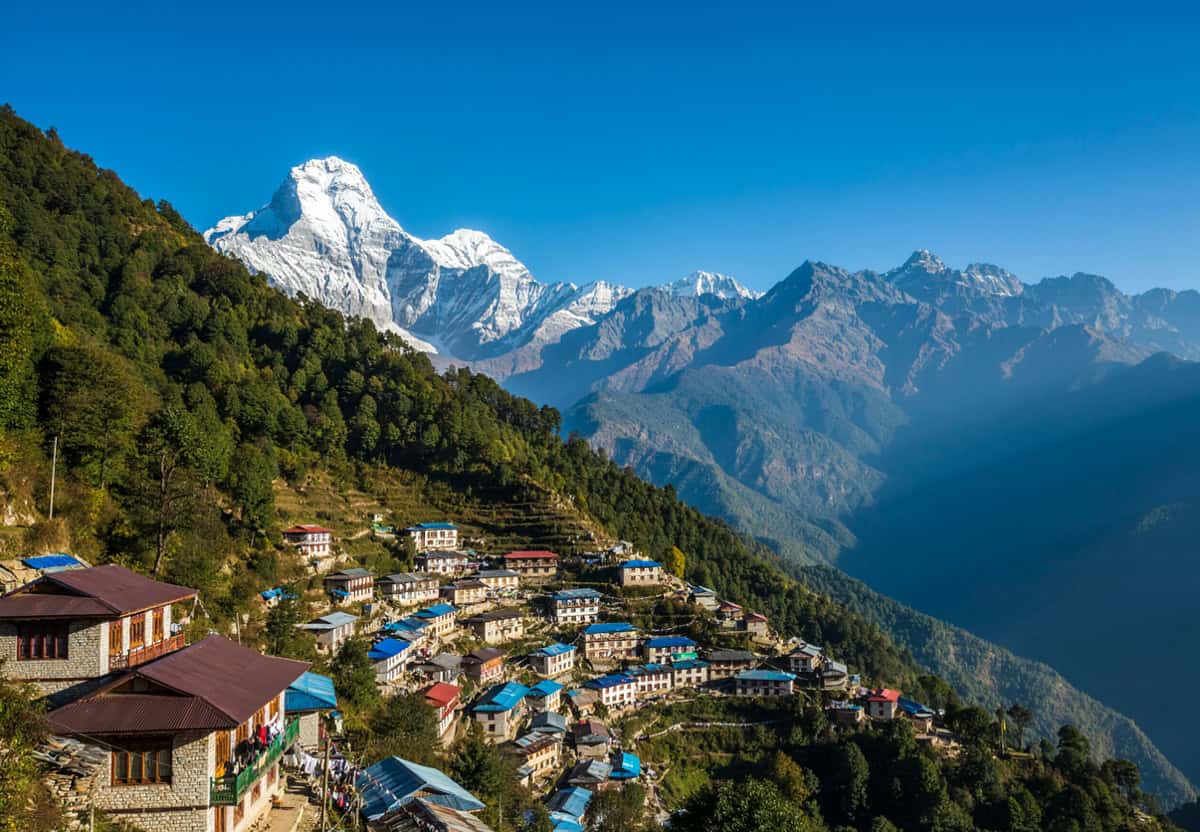
Germany, France and other countries contribute to Nepal’s Kanchenjunga tourism boom as foreign tourists flock to the region.
Nepal’s Kanchenjunga region is seeing a tourism boom this autumn as foreign tourists flock to the region to take in views of the Himalayas. Taplejung, which is home to the world’s third highest mountain, has seen around 170 international tourists so far this season. Domestic tourism is also on the rise, especially around the Dashain and Tihar holidays. This increase in adventure tourism is set to have positive implications for the local economy, as hotel bookings, homestays, guides, porters and transportation services are in high demand. As the region gears up to welcome more tourists during the off-season, the need for improved trekking routes and safety measures is also coming to light.
Germany, France, Australia and United States Strengthen Kanchenjunga’s International Tourism Appeal
International tourism is gaining fresh momentum in Nepal’s Kanchenjunga region as visitors from Germany, France, Australia and the United States explore its mountainous landscapes.
These countries have emerged as prominent source markets during the autumn trekking season, reflecting continuing international interest in Nepal’s adventure tourism destinations.
Advertisement
Advertisement
Kanchenjunga attracts travellers seeking challenging mountain journeys, spectacular Himalayan scenery and opportunities to experience remote settlements.
The region offers a distinctive alternative to Nepal’s more established trekking destinations.
Advertisement
Advertisement
However, the countries are contributing tourists rather than participating in a formal tourism partnership. Their combined visitor presence is helping sustain activity across the destination’s trekking and hospitality sectors.
Kanchenjunga Records Approximately 170 Foreign Tourists as Autumn Trekking Gains Momentum
The Kanchenjunga Conservation Area Management Council’s Ghunsa Tourism Check post recorded approximately 170 foreign visitors during the current autumn trekking season as of Monday, 12 October 2026.
Advertisement
Advertisement
Several tourists have already reached the mountain’s base camp areas, while others are resting in Ghunsa before continuing their journeys.
The increase in arrivals has created greater activity along trekking routes and in mountain settlements.
Local tourism businesses have reported higher visitor numbers compared with last year.
Although the available information does not establish the exact percentage increase, the growing number of travellers indicates an encouraging seasonal trend for Kanchenjunga’s tourism economy.
Advertisement
Advertisement
Nepal’s Autumn Trekking Season Creates Fresh Opportunities for Himalayan Adventure Tourism
Kanchenjunga experiences two principal tourist seasons annually, offering different opportunities for travellers seeking high-altitude adventures.
The first runs from March to May, while the second extends from September to December.
During these periods, trekking activity strengthens as visitors explore the mountain’s northern and southern approaches.
Autumn is particularly important because it coincides with major domestic holiday celebrations and the return of international trekkers.
The seasonal concentration of arrivals also shapes the operations of mountain accommodation providers, guides and transport services.
As visitor activity increases, the current trekking season is providing renewed opportunities for communities that depend on tourism-related employment.
Advertisement
Advertisement
Domestic Tourist Arrivals Add Momentum to Kanchenjunga’s Growing Visitor Economy
Domestic tourism is playing an increasingly important role in Kanchenjunga’s seasonal travel activity.
Local business estimates suggest that Nepali tourists may outnumber international visitors by approximately two to one.
However, authorities do not maintain comprehensive separate records of domestic arrivals, making it difficult to establish an exact total.
The Dashain and Tihar festivals encourage many Nepali families to travel to mountain destinations, including Kanchenjunga.
These holiday journeys increase demand for accommodation and transport services.
The combination of domestic holidaymakers and international adventure tourists provides an important economic boost for settlements across the Taplejung region.
Advertisement
Advertisement
Hotels and Mountain Lodges Experience Stronger Demand During the Tourism Upswing
The rise in visitor numbers is benefiting Kanchenjunga’s hospitality sector.
Hotels, lodges and homestays in Ghunsa and neighbouring settlements are experiencing increased occupancy as domestic and international travellers arrive.
During the Dashain and Tihar festivals, some accommodation establishments reach full capacity, highlighting the importance of seasonal domestic tourism.
The stronger demand has improved confidence among local tourism businesses.
Mountain accommodation providers depend heavily on visitor activity during the trekking seasons to sustain their operations.
As international arrivals increase and domestic travellers continue exploring the region, hospitality businesses are receiving additional opportunities to generate revenue and support local employment.
Advertisement
Advertisement
Trekking Guides, Porters and Transport Operators Gain from Rising Tourist Arrivals
The increasing number of visitors is generating employment opportunities beyond the accommodation sector.
Trekking guides and porters are benefiting from stronger demand for high-altitude travel services.
International travellers often undertake longer itineraries, creating additional requirements for experienced mountain guides and luggage transportation.
Local transport operators also benefit from visitors travelling between access points and trekking destinations.
Meanwhile, small businesses selling locally produced goods are experiencing additional commercial opportunities.
This wider economic activity demonstrates how trekking tourism supports multiple livelihoods in remote Himalayan communities.
Advertisement
Advertisement
Continued visitor growth could further strengthen the participation of local residents in the tourism economy.
Kanchenjunga’s Northern Base Camp at Pangpema Offers a Spectacular Himalayan Trekking Experience
Kanchenjunga’s northern base camp trekking destination, Pangpema, is one of the region’s principal attractions.
Situated at approximately 5,140 metres above sea level, Pangpema provides dramatic views of Kanchenjunga’s northern face.
The standard northern trekking route approaches through the Ghunsa Valley, passing settlements including Kambachen and Lhonak before reaching Pangpema.
Ghunsa serves as an important stopping point for trekkers adjusting to the altitude and preparing for higher elevations.
The journey takes travellers through changing landscapes, from mountain villages to alpine terrain.
Advertisement
Advertisement
Local accommodation and guiding services support visitors along sections of this demanding Himalayan route.
Southern Base Camp at Oktang Expands Kanchenjunga’s Adventure Tourism Attractions
The southern side of Kanchenjunga offers another outstanding trekking experience through the Oktang viewpoint and base camp area.
The route generally approaches through Yamphudin, Tseram and Ramche, taking visitors towards the Ya lung Glacier and views of the mountain’s southern face.
Oktang is commonly described as the southern base camp viewpoint, at approximately 4,730 metres, although elevations vary across descriptions of the wider base camp area.
Both northern and southern routes require careful preparation because of their remote locations and demanding terrain.
Together, these destinations strengthen Kanchenjunga’s reputation as an important Himalayan adventure tourism destination and support businesses operating along the trekking corridors.
Advertisement
Advertisement
Heavy Rainfall and Winter Snowfall Present Major Challenges for Kanchenjunga Tourism
Despite increasing tourist activity, weather conditions continue to create difficulties for tourism operations.
Heavy rainfall during June and July can obstruct mountain trails and limit access to remote trekking routes.
Snowfall between December and February creates additional challenges, particularly at higher elevations where travel conditions become more demanding.
These seasonal disruptions affect visitors, guides, porters and local businesses.
Unpredictable mountain conditions also reinforce the need for appropriate travel planning and reliable safety arrangements.
Improved trail maintenance, accurate route information and stronger emergency response services are essential to ensuring that tourism growth does not compromise visitor safety.
Advertisement
Advertisement
Better Infrastructure and Sustainable Development Could Transform Kanchenjunga’s Tourism Future
The increase in tourist arrivals highlights the importance of improving infrastructure while protecting Kanchenjunga’s natural environment.
Upgraded trekking trails, clearer directional signs and safer accommodation facilities could improve accessibility for domestic and international visitors.
Additional first-aid centres and stronger emergency rescue arrangements would help address the risks associated with high-altitude trekking.
Greater participation by local communities in tourism planning could also expand employment and business opportunities.
Environmental conservation must remain a central priority as visitor numbers grow.
Responsible development would allow Kanchenjunga to strengthen its tourism economy while preserving the Himalayan landscapes and communities that make the destination distinctive.
Advertisement
Advertisement
Nepal’s Kanchenjunga Tourism Growth Signals a Promising Future for Mountain Communities
The current increase in tourism activity represents a positive development for eastern Nepal’s adventure travel industry.
Germany, France, Australia and the United States are contributing to international visitor demand, while domestic holidaymakers are further supporting seasonal business activity.
With approximately 170 foreign tourists recorded during the autumn season, the region is experiencing renewed momentum across accommodation, trekking and transport services.
Nepal’s Kanchenjunga tourism surges as travellers from Germany, France, Australia and the US drive rising foreign arrivals, fueling an autumn trekking boom and boosting local businesses.
Nevertheless, continued progress depends on infrastructure improvements, environmental conservation and effective visitor safety measures. By addressing these priorities, Kanchenjunga can build on its growing appeal and create more sustainable economic opportunities for the communities that depend on Himalayan tourism.
Advertisement
