
Vietnam’s Tà Xùa Wins Asia Tourism Honour as Cloud-Hunting and New Highland Travel Rise

Updated
Published
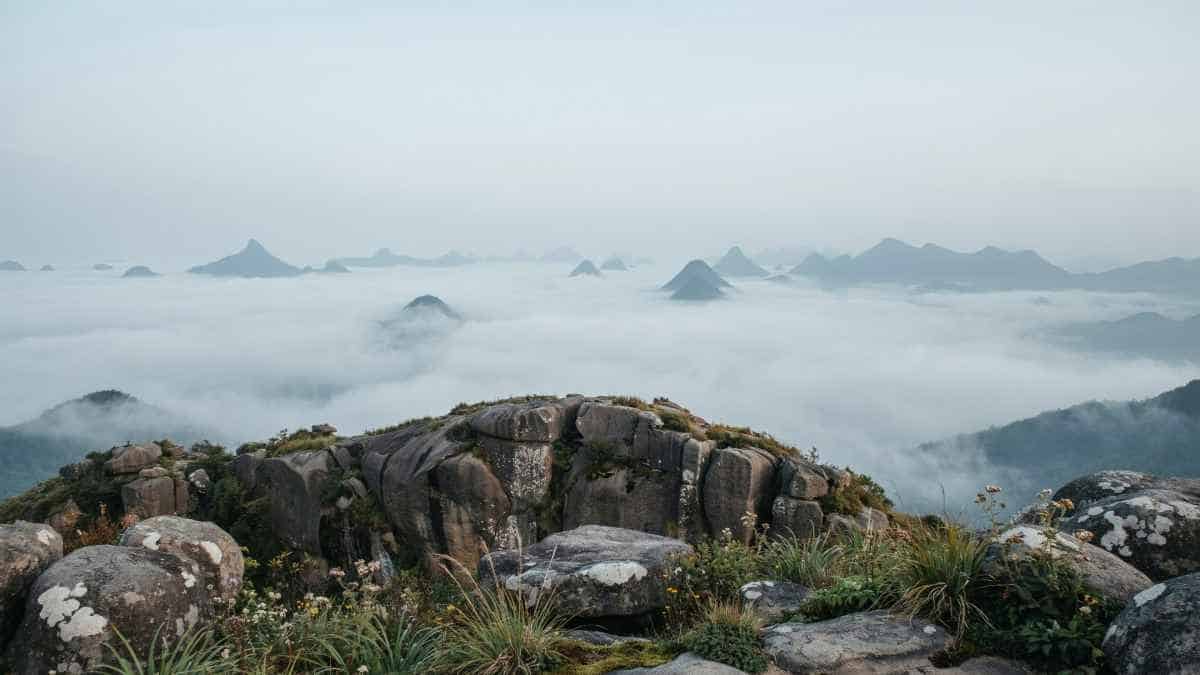
Image generated with Ai
Tà Xùa, Vietnam, is gaining international attention after being named Asia’s Leading Emerging Tourism Destination 2026 at the World Travel Awards, placing the mountainous destination in Sơn La province before a wider audience of nature-focused travellers. Known for its dramatic cloud formations, rugged ridgelines and highland culture, Tà Xùa is attracting interest from visitors seeking quieter alternatives to Vietnam’s established coastal and urban destinations. The recognition was announced following the World Travel Awards regional ceremony on 27 September in the Maldives. It marks the first time Tà Xùa has entered the category and secured the title, giving the Northwest Highlands a fresh tourism milestone. The supplied travel concept places a Peak Autumn “Sea of Clouds” migration between 28 September and 2 October 2026. Rather than a confirmed organised festival, the period reflects a seasonal travel theme built around sunrise cloud viewing, mountain accommodation and local tea experiences.
Tà Xùa’s Dinosaur Backbone Defines Its Mountain Appeal
At sunrise, the ridge known as the Dinosaur Backbone offers one of Tà Xùa’s most recognisable landscapes. Its narrow mountain crest overlooks deep valleys where clouds can gather into a white blanket beneath the surrounding peaks.
Advertisement
Advertisement
The spectacle is not guaranteed on a fixed date. Cloud formations depend on weather, humidity, temperature and local conditions, making early starts and flexible itineraries important for visitors hoping to see the phenomenon.
Tà Xùa sits at elevations generally above 1,500 metres, with nearby peaks rising beyond 2,000 metres. The highland setting brings cooler conditions than Vietnam’s major lowland cities, while steep roads and changing weather make careful transport planning essential.
Advertisement
Advertisement
The official Vietnam tourism portal describes Tà Xùa as a leading destination for cloud hunting in the northern mountains. It also identifies the Dinosaur Backbone, Windy Peak and surrounding forest landscapes among the area’s attractions.
World Travel Awards Recognition Brings Wider Attention
The 2026 award gives Tà Xùa a stronger position in Vietnam’s tourism promotion beyond its established domestic following. The destination competed in the emerging tourism category against locations including Koh Kood in Thailand, Melaka in Malaysia, Morioka in Japan, Sumba Island in Indonesia and Taipei.
Advertisement
Advertisement
The recognition comes as Vietnam continues to receive international tourism awards across several categories. For Sơn La, the title offers an opportunity to promote its highland scenery, traditional communities and nature-based experiences to regional and international travel markets.
However, an award does not by itself establish a surge in international arrivals or luxury accommodation investment. Those developments require visitor, business and infrastructure data over time.
Shan Tuyết Tea Connects Highland Travel With Local Heritage
Beyond its cloud-covered ridges, Tà Xùa is known for Shan Tuyết tea, associated with old tea trees and the agricultural traditions of the northern mountains.
Tea experiences can offer visitors a slower way to understand the landscape, connecting cultivation, local livelihoods and regional food culture. The supplied concept imagines travellers sampling single-origin coffee and tea in timber-framed cloud villas, although specific properties and curated tasting programmes have not been independently confirmed.
For a destination building its appeal around nature, locally rooted experiences can broaden the visitor offer beyond sunrise photography. Tea visits, village walks and traditional food can create opportunities for local businesses while encouraging longer stays.
Mông Cultural Traditions Add Depth to the Visitor Experience
Tà Xùa is also home to Mông communities whose cultural heritage includes traditional clothing, crafts, cuisine and customs. Weaving, indigo dyeing and beeswax patterning are among the traditional practices associated with the region.
Advertisement
Advertisement
For visitors, these experiences require respectful engagement and arrangements made with local hosts. Community-led interpretation can help travellers understand the relationship between highland livelihoods, the natural environment and cultural identity.
The destination’s growing visibility also makes visitor management important. More tourism can bring income and employment, but poorly managed construction, waste and road congestion could place pressure on the same landscapes that attract travellers.
Low-Density Lodging and Eco-Tourism Need Responsible Growth
The supplied research brief describes a rise in low-density, design-led eco-lodges serving affluent regional travellers. While the specific scale of new accommodation investment has not been verified, Tà Xùa’s appeal is closely linked to the possibility of combining nature with comfortable stays.
Timber architecture, valley-facing rooms and outdoor viewing spaces can suit the mountain setting when development respects local building traditions and environmental limits. Responsible operators also need to consider water supply, wastewater, energy use, waste collection and the impact of visitor traffic.
For travellers, accommodation should be assessed not only by its views and amenities but also by road access, safety arrangements and the services available in remote areas.
Planning a Tà Xùa Journey From Hanoi
Tà Xùa is about 240 km away from Hanoi, via road, with the journey taking five hours. The journey to the mountain may be difficult, especially in rainy or foggy weather, and travellers need to factor in some extra time. In addition, visitors can undertake the Dinosaur Backbone hike and also climb Windy Peak for sunset and mountain views. Travellers visiting Tà Xùa from Mộc Châu must properly map the journey, as travel between these two locations cannot simply be seen as an urban transfer. Visiting during the autumn season may yield chances to view clouds early, but conditions are still uncertain at the destination. Travellers can benefit from flexible schedule planning, proper clothing and boots as they visit the location ahead of sunrise. Tà Xùa Award draws attention to the region of Vietnam’s Northwest Highlands. The next step in developing tourism in this location would be to balance international exposure and preservation of the landscapes, culture and people.
Advertisement
