
US Comes Along With France and Other Countries to Revolutionise In-Flight Tech

Published
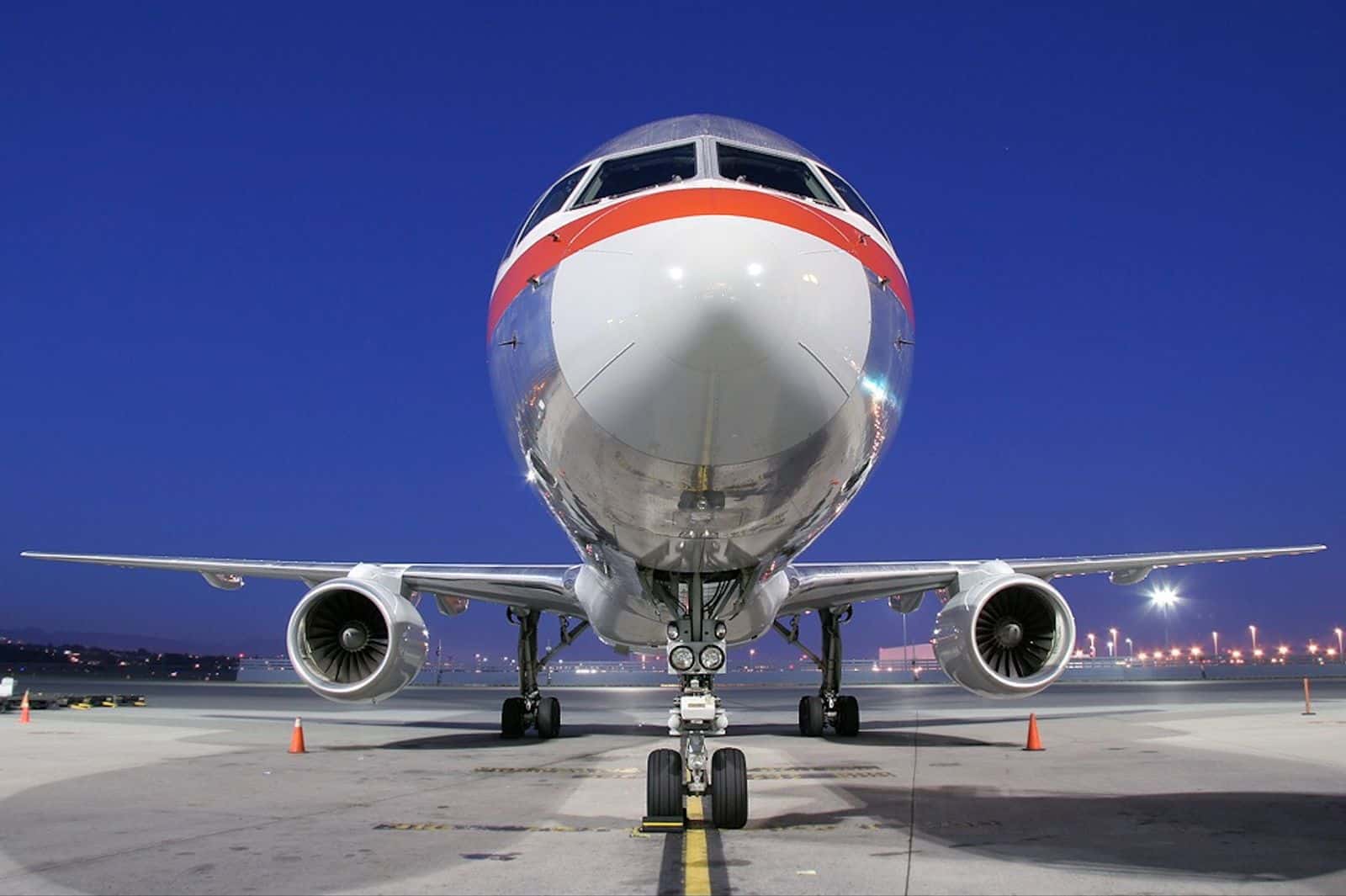
US Comes Along With France and Other Countries to Revolutionise In-Flight Tech. Smartphones are leading a revolution in the skies. Passenger comforts rule the roost. The age-old era of portals is at an end. Ground speed meets the clouds today.
US Comes Along With France and Other Countries to Revolutionise In-Flight Tech. Travelers now have much to cheer about. The mobile phone takes centre stage. Aviation networks are set to change. Ground Wi-Fi meets the skies. Passengers revel in complete magic. Connectivity gaps are a thing of the past. Edge servers will change everything. Most want this upgrade. The future is at hand.
Advertisement
Advertisement
Hybrid In-Flight Entertainment and Connectivity (IFEC) architectures completely transform the passenger experience by converting everyday smartphones into master control layers that sync seamlessly from ground terminals to aircraft cabins.
How Are American Carriers Unifying High-Speed Mobile Integration?
Major domestic airline operators across the United States are aggressively deploying fleet-wide unified streaming frameworks that eliminate traditional connectivity barriers. By fusing low-Earth orbit satellite pipelines with localized aircraft edge servers, these carriers ensure continuous digital engagement during flight. Passengers can effortlessly transfer their media queues and booking carts from airport lounges straight onto personal mobile devices without experiencing frustrating authentication dropouts. This approach establishes an unbroken extension of the airline ecosystem directly onto the traveler’s personal smartphone screen. Advanced background token handshakes authenticate user identities instantly upon boarding without requiring manual logins. Consequently, the historical gap between fast ground internet speeds and sluggish cabin portals disappears completely for modern flyers.
Advertisement
Advertisement
“Industry leaders emphasize that unifying mobile ecosystems across international carriers bridges the persistent chasm between ground broadband speeds and restrictive in-flight portals. By transforming personal smartphones into master control layers through hybrid edge architectures and automated token handshakes, modern aviation successfully eliminates historical connectivity bottlenecks, delivering a seamless, continuous, and highly personalized digital journey from airport terminal lounges straight to aircraft cabin seats.”
— Anup Kumar Keshan, Founder and Editor-in-Chief, Travel And Tour World
Advertisement
Advertisement
Why Are French Innovators Prioritizing Multi-Modal Passenger Identity Protocols?
Digital innovators based in France are spearheading advanced passenger identity architectures tailored specifically for complex multi-modal transit networks linking high-speed rail with aviation. Utilizing secure European digital identity frameworks, these systems store encrypted traveler credentials safely inside native smartphone secure elements. Passengers can move smoothly from metropolitan railway station gates to aircraft boarding bridges while maintaining complete profile synchronization. Loyalty preferences and duty-free shopping profiles update dynamically across ground infrastructure and onboard edge servers without manual data re-entry. This rigorous focus on decentralized identification reinforces security while offering absolute convenience across diverse transportation modes. Ultimately, this methodology guarantees that traveler credentials remain entirely portable and protected throughout international journeys.
For official updates on integrated transport frameworks and digital travel connectivity standards, consult the Department for Transport on GOV.UK.
Advertisement
Advertisement
How Does Singapore Changi Sync Ground Transit With Onboard Servers?
Singapore maintains its global leadership by engineering hyper-connected transit networks that link Changi Airport terminals directly with onboard media servers. High-speed edge caching infrastructure pre-loads entertainment content during aircraft turnaround times to ensure instantaneous media availability for boarding passengers. Travelers can curate custom movie watchlists and select retail items while walking through terminal shopping areas using official carrier applications. Once passengers step inside the aircraft cabin, local servers instantly restore their exact digital state onto their personal mobile screens. This ingenious synchronization technique completely eradicates initial loading delays and delivers flawless offline-to-online media transitions.
What Drives UAE Long-Haul Operators Toward Seamless Cloud Syncing?
Luxury long-haul aviation operators across the United Arab Emirates are revolutionizing premium cabins through unbroken cloud syncing from exclusive airport lounges to aircraft seats. High-performance onboard blade servers maintain continuous session continuity over robust hybrid satellite connections throughout the entire duration of the flight. Premium travelers can initiate a dining schedule or synchronize media sessions on tablet devices while relaxing in departure lounges before departure. The moment passengers board the aircraft, the seatback cloud engine mirrors this exact environment onto both embedded displays and personal smartphones. This dual-screen luxury framework allows travelers to control cabin ambient lighting and meal timings directly from their mobile devices.
| Country / Region | Core Technology & Infrastructure | “Travel Mixology” Ecosystem Focus | Primary Strategic Benefit |
| United States | LEO satellite pipelines (Starlink/Viasat) + local aircraft edge servers | Unified streaming frameworks and instant media queue synchronization | Eliminates latency gaps between ground networks and cabin portals |
| France | Secure European digital identity frameworks + smartphone secure elements | Multi-modal transit profile and tokenized credential syncing | Secures cross-modal travel from rail stations to aircraft gates |
| Singapore | High-speed ground edge caching connected to Changi Airport nodes | Pre-loaded media servers and curated entertainment playlists | Eradicates loading delays for instantaneous offline-to-online transitions |
| United Arab Emirates | High-performance onboard blade servers + cloud syncing engines | Luxury long-haul lounge-to-seat continuous session management | Enables dual-screen environment control for premium cabin suites |
The modern revolution of aviation connectivity shows that hybrid systems and smartphone-controlled layers can fundamentally redefine travel standards. By binding together fast ground infrastructure and local aircraft edge-servers across key international markets, airlines have managed to eliminate historic in-flight connectivity frictions. Passengers now enjoy uninterrupted digital continuity, ease of media synchronization and full control over their journeys. As such pioneering frameworks start to roll out across global fleets, the distinction between on-ground and on-board travel is being permanently redefined.
The root cause for this aviation revolution was the historic disconnect between fast ground internet and slow cabin portals. The ultimate resolution to this persistent issue was the development of hybrid architectures that bind together low-earth orbit satellites and local onboard edge-computing cashes. The prime reason why this massive industry shift is taking place is the fact that modern passengers demand uninterrupted digital ecosystems in which their smartphones act as the master control layer. By enabling personal devices to synchronize seamlessly from terminal lounges to aircraft seats, airlines are eliminating long-standing connectivity issues and taking the passenger experience to a new level.
Image Source: Flightradar24
Advertisement
