
France Alongside Italy, Germany and More Drive Europe’s Day Trip Boom as Travellers Explore Beyond Famous Cities: All You Need to Know

Published
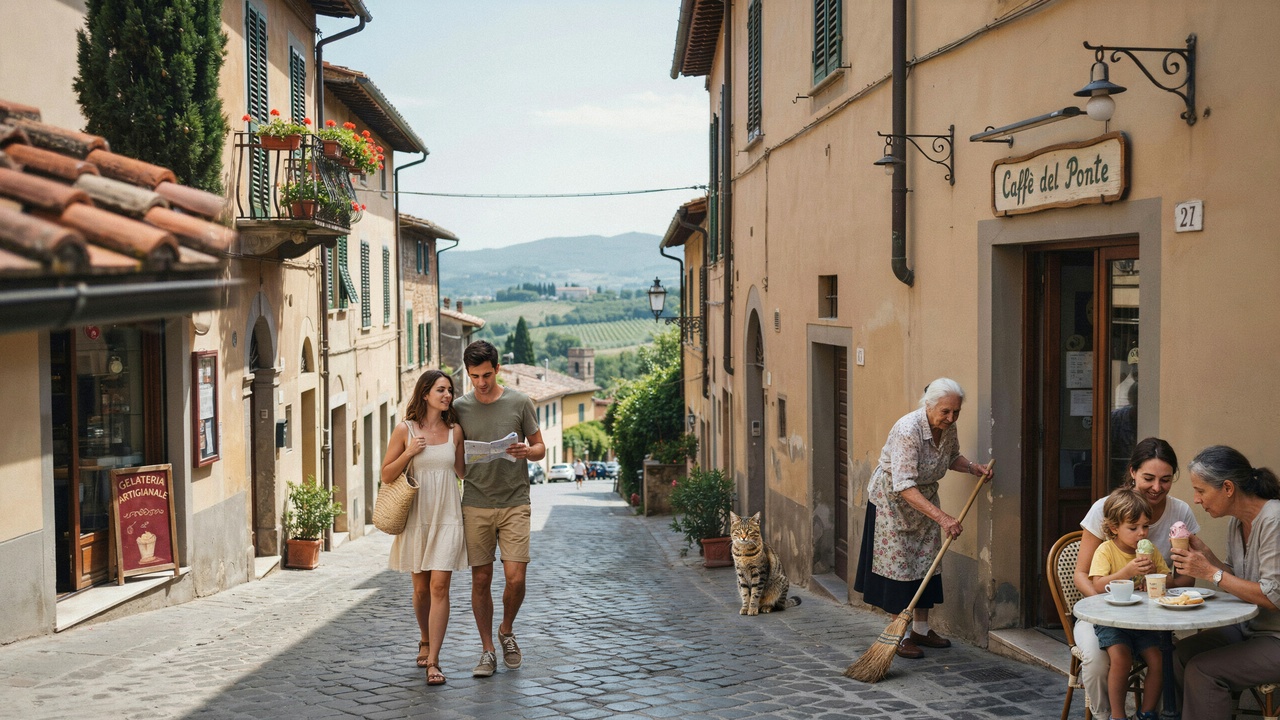
Europe’s tourism scene is entering a new phase as travellers increasingly choose short excursions, cultural escapes and regional adventures instead of limiting their journeys to major capitals. Visitors are now using popular cities as starting points to discover nearby villages, historic towns, coastal communities and countryside attractions.
A growing interest in day trips is allowing destinations outside traditional hotspots to attract international attention. Travellers are searching for authentic experiences, easier transport connections and memorable activities that can be completed within a single day.
A reported analysis from The Tour Guy highlighted the growing importance of day-trip experiences in European travel decisions, with a large share of travellers showing interest in exploring destinations beyond their main holiday base. However, the figure is industry research rather than official government tourism statistics.
This changing behaviour is benefiting smaller destinations across countries including France, Italy, Spain, Germany, Portugal and the Netherlands.
Advertisement
Advertisement
Why are travellers choosing day trips across Europe?
The modern European traveller is looking for flexibility. Many visitors prefer staying in one major city while adding nearby destinations to their itinerary.
This approach offers several advantages:
Advertisement
Advertisement
| Travel Benefit | Why It Matters |
|---|---|
| More destinations | Visitors can experience multiple regions during one holiday |
| Lower costs | Travellers avoid frequent hotel changes |
| Authentic experiences | Smaller towns offer local culture and traditions |
| Easier planning | Rail networks and organised tours simplify short journeys |
| Less crowded attractions | Visitors can move beyond heavily visited landmarks |
The growth of day trips also reflects changing traveller priorities. Visitors increasingly want food experiences, heritage discoveries, nature escapes and local interactions rather than only visiting internationally famous attractions.
European destinations are also promoting regional tourism to distribute visitors more widely and reduce pressure on overcrowded locations.
Advertisement
Advertisement
France attracts visitors beyond Paris with historic towns and countryside escapes
France remains one of Europe’s most recognised destinations, but travellers are increasingly exploring locations outside Paris.
The country’s strong rail network makes many surrounding destinations accessible for convenient day trips.
| Destination | Region | Main Attraction |
|---|---|---|
| Versailles | Île-de-France | Palace, gardens and royal history |
| Giverny | Normandy | Claude Monet’s gardens and artistic heritage |
| Reims | Champagne | Cathedral, vineyards and gastronomy |
| Rouen | Normandy | Medieval architecture and historic streets |
| Loire Valley | Central France | Castles, vineyards and scenic landscapes |
The Loire Valley continues attracting travellers who want a slower French experience. Visitors can explore castles, cycling routes and traditional villages while enjoying the region’s famous food and wine culture.
Normandy offers another strong alternative, combining coastal landscapes, historical attractions and charming towns within easy reach of larger cities.
Advertisement
Advertisement
Italy expands tourism beyond Rome, Venice and Florence
Italy’s famous destinations remain globally popular, but surrounding regions are becoming increasingly important for travellers seeking unique experiences.
Many visitors are choosing short journeys to discover smaller communities with strong cultural identities.
| Starting Point | Day Trip Destination | Experience |
|---|---|---|
| Rome | Tivoli | Historic villas and gardens |
| Florence | Siena | Medieval architecture and Tuscan culture |
| Milan | Lake Como | Lakeside villages and mountain scenery |
| Venice | Murano and Burano | Traditional crafts and island life |
Lake Como continues attracting travellers from Milan because of its dramatic scenery, elegant villages and relaxed atmosphere.
Tuscany also remains a major attraction for day visitors. Its vineyards, hilltop towns and historic landscapes provide a different perspective of Italian life beyond major cities.
Spain introduces travellers to heritage towns and natural escapes
Spain is experiencing growing interest in destinations beyond Barcelona and Madrid. Travellers are adding nearby cultural centres and natural attractions to their holidays.
| City Base | Nearby Destination | Highlight |
|---|---|---|
| Madrid | Toledo | UNESCO heritage and historic monuments |
| Barcelona | Girona | Medieval streets and cultural attractions |
| Seville | Córdoba | Historic architecture and heritage sites |
| Valencia | Albufera | Nature, lagoons and traditional landscapes |
Toledo remains one of Spain’s most popular day-trip locations due to its historic significance and impressive architecture.
Advertisement
Advertisement
Girona has also gained attention among travellers who want a quieter alternative close to Barcelona, offering ancient streets, local cuisine and preserved heritage areas.
Germany combines castles, villages and scenic landscapes for day visitors
Germany’s smaller destinations are benefiting from travellers searching for cultural experiences outside major cities.
Efficient transport connections make many locations suitable for short visits.
| Destination | Access Point | Experience |
|---|---|---|
| Neuschwanstein Castle | Munich | Famous Bavarian castle |
| Heidelberg | Frankfurt region | Historic old town and castle views |
| Rothenburg ob der Tauber | Bavaria | Medieval streets and architecture |
| Rhine Valley | Frankfurt/Cologne | Castles, vineyards and river scenery |
These destinations demonstrate how day-trip tourism can support regional economies while introducing visitors to lesser-known attractions.
Portugal and the Netherlands welcome visitors searching for authentic experiences
Portugal and the Netherlands are also benefiting from increased demand for short regional journeys.
Visitors staying in major cities are exploring nearby locations that offer cultural experiences, landscapes and traditional lifestyles.
Advertisement
Advertisement
| Country | Destination | Reason to Visit |
|---|---|---|
| Portugal | Sintra | Palaces, forests and historic monuments |
| Portugal | Cascais | Coastal scenery and beaches |
| Netherlands | Zaanse Schans | Windmills and heritage traditions |
| Netherlands | Haarlem | Historic centre and cultural attractions |
Sintra remains a leading day-trip choice from Lisbon because of its combination of architecture, nature and history.
Near Amsterdam, destinations such as Zaanse Schans and Haarlem provide visitors with a broader understanding of Dutch culture beyond the capital.
How day-trip tourism is creating new opportunities for European regions
The expansion of day trips is changing how tourism revenue is distributed across Europe.
Smaller destinations can benefit through:
- Increased restaurant and retail spending
- More visitors to museums and attractions
- Greater international recognition
- Support for local transport services
- Protection of cultural traditions
The trend also helps travellers create richer itineraries. Instead of seeing only famous landmarks, visitors can experience regional lifestyles and local communities.
However, destinations must balance visitor growth with infrastructure capacity, environmental protection and community needs.
Advertisement
Advertisement
What should travellers consider before planning European day trips?
Successful day trips require careful planning. Popular attractions can become busy, especially during peak holiday seasons.
Travellers should consider:
- Booking major attractions early
- Checking public transport schedules
- Starting journeys early in the day
- Exploring local restaurants and businesses
- Respecting residential areas
Choosing less crowded destinations can often create more memorable experiences while supporting smaller communities.
Frequently Asked Questions
1. Which European countries are best for day trips?
France, Italy, Spain, Germany, Portugal and the Netherlands offer excellent day-trip opportunities because of their cultural attractions, transport networks and diverse landscapes.
2. Are day trips replacing traditional city holidays?
Day trips are not replacing city holidays completely. Instead, many travellers are combining major cities with nearby regional experiences.
3. Why are smaller European towns becoming more popular?
Smaller towns provide authentic culture, local cuisine, historic attractions and quieter experiences compared with crowded tourist centres.
Advertisement
Advertisement
4. Are European day trips suitable for families?
Yes. Many destinations offer short travel times, family-friendly attractions and activities suitable for different age groups.
5. How can travellers make day trips more sustainable?
Using trains, public transport and local services can help reduce environmental impact while supporting regional economies.
Conclusion
Europe’s tourism future is becoming more diverse as travellers move beyond traditional city breaks and discover the destinations surrounding famous capitals. France, Italy, Spain, Germany and other European countries are seeing growing interest in villages, heritage towns, coastal escapes and countryside experiences. Day trips are creating new opportunities for regional tourism while giving visitors a deeper connection with European culture, history and local communities.
Advertisement
