
Great Nicobar Island’s Bold Transformation: Eco-Tourism, Infrastructure, and Development Plans for the Future of India’s Andaman and Nicobar Islands – Here’s What You Need to Know

Published
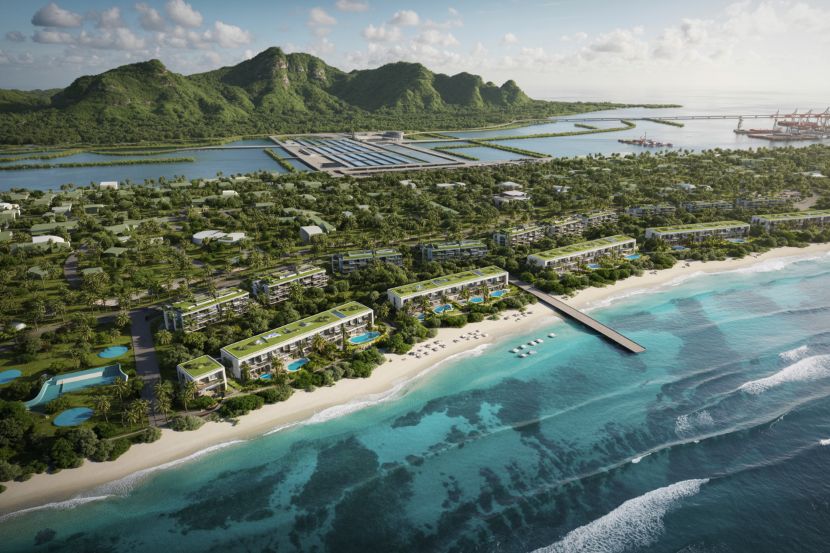 Image generated with Ai
The Andaman and Nicobar Islands administration is charting a bold new course for the future of Great Nicobar Island with a comprehensive master plan aimed at transforming the region into a thriving hub for tourism, infrastructure development, and economic growth. The ambitious project, outlined in the ‘Draft Master Plan for Great Nicobar Island Development Area – 2047’, will not only harness the island’s untapped potential but also create a greenfield coastal city that combines modern urban planning with sustainable development. At the heart of this proposal lies a robust tourism infrastructure that includes an international airport, transshipment port, eco-resorts, and wellness hubs, all aimed at enhancing the island’s attractiveness as a key tourist destination. As the island’s population grows and its economy diversifies, this plan marks a pivotal moment in its evolution.
The Vision for Great Nicobar Island’s Urban Future
Great Nicobar Island, one of the most remote regions in India, is about to undergo a massive urban transformation. The island, located in the Indian Ocean, has been chosen for a greenfield city that will stretch across 166 square kilometers of land, blending modern infrastructure with the area’s natural beauty. The city will feature a series of interconnected zones designed to support both economic development and environmental preservation. Key aspects of the project include mixed-use development, eco-tourism, and extensive green spaces aimed at attracting both tourists and residents.
Advertisement
Advertisement
The new urban corridor will span approximately 35 kilometers along the island’s eastern coast, from Campbell Bay to Indira Point, offering ample opportunities for tourism development and residential spaces. Central to this plan are the tourism hubs and an international airport that will serve as gateways for both travelers and the burgeoning industrial sectors on the island.
Major Infrastructure Developments in the Pipeline
Several cornerstone projects are planned as part of the development effort on Great Nicobar Island. These projects aim to both boost tourism and establish the island as an economic and defense hub for the region.
Advertisement
Advertisement
- International Airport: An international airport will provide easy connectivity, fostering both international and domestic tourism. The airport will cater to rising tourist arrivals, which are projected to increase dramatically, from 98,000 annually in 2029 to over one million by 2055.
- Transshipment Port: Located at Galathea Bay, the port will not only serve as a trade gateway for the island but also establish Great Nicobar Island as a regional logistics hub.
- Energy Infrastructure: A mix of gas and solar power plants will ensure a sustainable and reliable energy supply for the expanding population and industries.
- Defense and Institutional Facilities: The southwestern part of the island will be designated for defense-related activities, ensuring the region’s strategic importance remains intact.
Balancing Development with Sustainability
One of the major priorities of the Great Nicobar Island master plan is ensuring environmental sustainability amidst rapid urbanization. A large portion of the island, 66.53 square kilometers, will be designated as a no-felling zone to protect its lush natural ecosystems. Moreover, agricultural land and eco-resorts are planned alongside coconut and areca nut cultivation, ensuring the island’s agricultural heritage is preserved as the area develops.
The eco-resorts and farmstays are intended to promote eco-tourism, making use of the region’s pristine natural beauty while providing visitors with a chance to immerse themselves in the local culture and environment.
Advertisement
Advertisement
Key Tourism Components: From Resorts to Wellness Hubs
The tourism sector will play a crucial role in the island’s economic expansion. The draft plan proposes the development of resort clusters along the island’s six pristine beaches, with special attention to a six-kilometer beachfront area near the proposed airport. These beach resorts will provide luxurious accommodations with direct access to the natural wonders of the island, attracting high-end international travelers.
Additionally, a wellness hub focusing on yoga, naturopathy, and ayurveda will cater to the growing interest in health tourism. The wellness sector has experienced substantial growth in recent years, particularly in countries like India, where traditional practices are gaining popularity among global tourists.
Advertisement
Advertisement
An Integrated Urban Ecosystem
The proposed greenfield city will also feature a blend of residential spaces, commercial offices, and retail outlets, creating a vibrant urban environment. The city will be organized into four key development clusters and two special reservation zones. These zones will include:
- Tourism and Entertainment: This area will host resorts, eco-trails, and entertainment venues, contributing to the island’s image as a premium tourist destination.
- Agro and Seafood Processing: A dedicated area for agro-processing and seafood products will support the island’s local industries and create employment opportunities.
- Administrative and Institutional Facilities: Government offices, institutional buildings, and community services will ensure the smooth functioning of the city.
- Special Reservation Zones: One zone will be dedicated to defense activities, while another will focus on future development.
Projected Economic Impact: A Thriving Hub by 2047
The tourism-focused development plan for Great Nicobar Island has set ambitious targets. By 2047, tourist arrivals are projected to increase significantly, with projections pointing to over 735,000 visitors annually. This would represent a dramatic growth from the current figure of 98,000. As the island is poised to become a key destination for eco-tourism, wellness tourism, and high-end leisure, the local economy is expected to flourish, creating ample employment opportunities and boosting business activities in various sectors such as hospitality, retail, and logistics.
A New Chapter for Travelers
For travelers, Great Nicobar Island offers much more than just beautiful beaches and scenic views. The planned eco-resorts, wellness retreats, and community homestays will provide a unique, immersive travel experience. As the infrastructure projects move forward, visitors will be able to explore the island’s diverse landscapes, ranging from dense forests and hills to stunning coastlines. For those interested in adventure and eco-tourism, the island promises a wealth of natural beauty and untouched ecosystems.
A Glimpse into the Future of Great Nicobar Island
Great Nicobar Island is on the verge of becoming a global tourism hotspot and an important economic center in the Indian Ocean region. With the combined efforts of infrastructure development and sustainable tourism practices, the island promises to offer long-term growth while preserving its unique natural heritage. The proposed greenfield city stands as a testament to how development and environmental conservation can go hand in hand, creating a model for future projects in ecologically sensitive areas.
Advertisement
