
China Joins France, United States, Saudi Arabia, UAE, Qatar, Italy, Germany, Spain, Belgium, Canada, United Kingdom and Others in an Urgent Emergency Effort to Revive Lebanon’s Tourism Sector with Massive Humanitarian Aid as the US-Iran Peace Deal Solidifies Gulf Travel and Trade Stability

Published
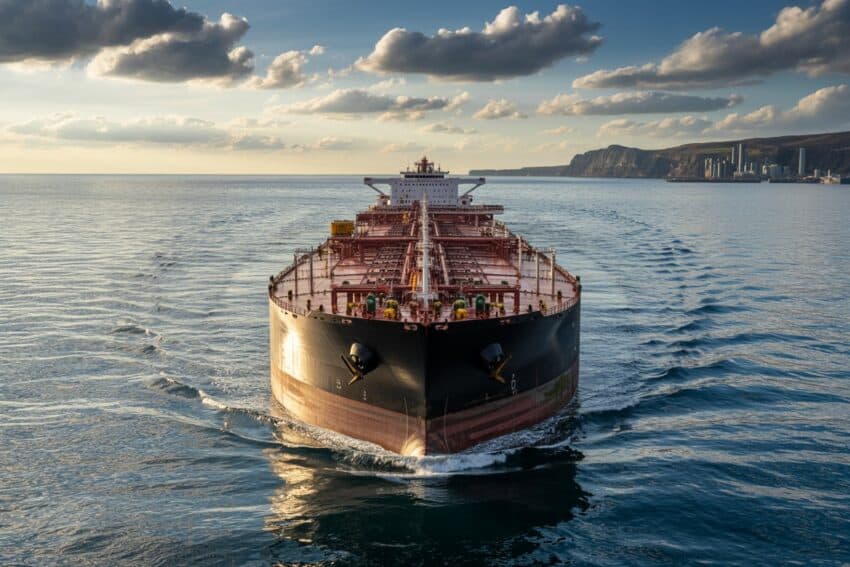
China joins France, United States, Saudi Arabia, UAE, Qatar, Italy, Germany, Spain, Belgium, Canada, United Kingdom and others in an urgent emergency effort to revive Lebanon’s tourism sector with massive humanitarian aid because rebuilding communities, infrastructure, and traveler confidence is seen as essential for economic recovery, while the US-Iran peace deal solidifies Gulf travel and trade stability across a region seeking renewed growth and investment.
China’s Relief Push: Turning Humanitarian Aid into a Foundation for Tourism Recovery
China has emerged as one of the most significant international supporters of humanitarian relief efforts for Iran and Lebanon as both countries struggle with the consequences of conflict, displacement, and economic disruption. Beijing announced emergency humanitarian assistance for Iran, Lebanon, Iraq, and Jordan while emphasizing the need to reduce civilian suffering and restore regional stability. For Lebanon, tourism historically contributed between 15% and 20% of GDP, supporting hotels, restaurants, transport operators, and cultural attractions. In Iran, tourism generated billions of dollars annually through religious pilgrimages, heritage tourism, and business travel. Chinese assistance, including medical supplies and humanitarian support, is helping stabilize communities, maintain essential services, and create conditions necessary for rebuilding airports, hotels, and tourism infrastructure. By supporting recovery efforts today, China is positioning itself as a major stakeholder in the future revival of both countries’ visitor economies.
Advertisement
Advertisement
How this could help tourism recovery:
- Helps restore essential public services
- Supports local economic activity
- Encourages investor confidence
- Creates conditions for future visitor growth
France’s Humanitarian Lifeline: Helping Lebanon Rebuild a Tourism Sector Worth Billions
France’s humanitarian support comes at a critical moment for Lebanon, whose tourism sector once welcomed more than two million international visitors annually and generated billions in foreign exchange earnings. The delivery of emergency relief supplies, including shelter equipment, cooking kits, and humanitarian materials, is helping displaced communities recover while supporting broader economic stabilization. Before the latest crisis, tourism represented one of Lebanon’s largest sources of employment and foreign currency. Many of the country’s hotels, restaurants, transportation operators, and tourism businesses have faced severe disruption. French support not only addresses immediate humanitarian needs but also helps preserve the social and economic foundations necessary for rebuilding Lebanon’s visitor economy. Paris views Lebanon’s recovery as essential to wider Mediterranean stability and future tourism growth.
Advertisement
Advertisement
How this could help tourism recovery:
- Supports displaced tourism workers
- Helps stabilize tourism-dependent communities
- Preserves hospitality sector recovery potential
- Encourages future European visitor confidence
United States: Supporting Stability as a Pathway to Tourism Recovery
The United States has focused on diplomacy, ceasefire implementation, humanitarian coordination, and long-term reconstruction planning. Washington recognizes that sustained peace is essential for restoring tourism activity across the region. Prior to recent conflicts, Lebanon remained one of the Middle East’s most visited cultural destinations, while Iran attracted millions of domestic and international religious and heritage travelers annually. The United States is supporting frameworks designed to stabilize affected communities, rebuild damaged infrastructure, and restore economic confidence. Improved security conditions would benefit airlines, hotels, tour operators, airports, and tourism investors. American diplomatic efforts are therefore closely linked to creating an environment where travel and tourism can eventually recover and contribute to broader economic growth.
Advertisement
Advertisement
How this could help tourism recovery:
- Encourages long-term regional stability
- Supports transportation and infrastructure recovery
- Improves tourism investment conditions
- Strengthens confidence among international travelers
Saudi Arabia’s Reconstruction Role: Leveraging Vision 2030 Expertise for Regional Recovery
Saudi Arabia is expected to become a major financial contributor to future reconstruction efforts linked to Lebanon and potentially wider regional recovery initiatives. The Kingdom has already demonstrated its capacity to develop large-scale tourism projects through Vision 2030, which aims to attract 150 million visitors annually by 2030. Saudi expertise in developing airports, hospitality infrastructure, cultural destinations, and transportation networks could prove valuable during reconstruction efforts. Lebanon’s tourism sector will require significant investment to restore visitor confidence, upgrade facilities, and rebuild damaged infrastructure. Saudi support could accelerate this process while also promoting stronger regional tourism connectivity across the Middle East.
Advertisement
Advertisement
How this could help tourism recovery:
- Provides large-scale reconstruction funding
- Supports hospitality and airport development
- Encourages regional tourism integration
- Helps restore investor confidence
UAE’s Tourism Expertise: Supporting Recovery Through Infrastructure and Connectivity
The UAE has built one of the world’s most successful tourism ecosystems, attracting tens of millions of visitors annually through Dubai, Abu Dhabi, and other destinations. Its participation in humanitarian and reconstruction efforts could significantly influence Lebanon’s recovery trajectory. The UAE possesses extensive experience in airport development, hospitality management, tourism marketing, and transportation infrastructure. Supporting recovery efforts in Lebanon and potentially Iran aligns with the UAE’s broader interest in regional stability and connectivity. Stronger tourism sectors across the Middle East ultimately benefit Gulf aviation networks, business travel, and regional economic integration.
How this could help tourism recovery:
- Airport and aviation expertise
- Hospitality sector support
- Tourism infrastructure development
- Enhanced regional travel connectivity
Qatar’s Dual Strategy: Combining Diplomacy, Humanitarian Aid, and Tourism Recovery
Qatar has positioned itself as both a humanitarian contributor and a diplomatic mediator. The country’s support for recovery efforts comes as it continues leveraging its global reputation following the FIFA World Cup. Qatar recognizes that tourism recovery depends on peace, stability, and international confidence. Before the latest crisis, Lebanon’s tourism sector supported hundreds of thousands of jobs, while Iran maintained one of the region’s largest domestic and religious tourism markets. By supporting humanitarian relief and encouraging diplomatic solutions, Qatar is helping establish conditions necessary for tourism growth, airline expansion, and renewed international investment.
Advertisement
Advertisement
How this could help tourism recovery:
- Supports long-term stability
- Promotes investor confidence
- Encourages airline and tourism growth
- Helps restore regional travel demand
European Union’s Half-Billion-Euro Intervention: Backing Humanitarian Relief and Tourism Revival
The European Union has committed one of the largest humanitarian packages in response to the regional crisis, allocating €458 million for the wider Middle East and an additional €100 million specifically for Lebanon. The effort is supported by EU member states including France, Germany, Italy, Spain, Netherlands, Belgium, Sweden, and other member nations contributing through EU humanitarian mechanisms. The scale of this commitment reflects recognition that humanitarian recovery and economic recovery are deeply interconnected. Tourism depends on functioning airports, roads, healthcare systems, utilities, and public safety—all sectors supported through humanitarian funding. Prior to recent instability, Lebanon’s tourism industry generated several billion dollars annually and served as a major employer. For Iran, a more stable regional environment could eventually support renewed growth in cultural tourism, religious tourism, and international business travel. EU assistance therefore serves as both an emergency response and an indirect investment in future tourism recovery.
How this could help tourism recovery:
- Funds critical infrastructure rehabilitation
- Supports transportation and logistics systems
- Helps restore traveler confidence
- Strengthens economic recovery prospects
United Nations’ $639.9 Million Humanitarian Appeal: Laying the Groundwork for Tourism’s Return
The United Nations has launched a $639.9 million humanitarian appeal for Lebanon, bringing together support from countries including United States, France, Germany, United Kingdom, Canada, Japan, Saudi Arabia, United Arab Emirates, Qatar, and numerous other donor nations. Humanitarian agencies are providing food assistance, healthcare services, shelter support, water and sanitation programs, and protection services for displaced populations. While the primary objective is humanitarian relief, these efforts also contribute directly to future tourism recovery. Successful tourism sectors require stable communities, functioning healthcare systems, reliable infrastructure, and safe operating environments. Lebanon’s tourism industry once generated billions of dollars annually and served as a critical source of employment and foreign exchange. By helping communities recover today, the United Nations and its donor countries are helping preserve the foundations upon which future tourism growth will depend.
How this could help tourism recovery:
- Creates conditions for future tourism expansion
- Supports community and workforce stability
- Helps restore essential services
- Facilitates business reopening
US-Iran Peace Deal Solidifies Gulf Travel and Trade Stability
The emerging US-Iran peace framework is being closely watched across the Middle East because it could significantly improve both regional travel confidence and global trade flows. A central component of the agreement is the reopening of the Strait of Hormuz, one of the world’s most important maritime chokepoints, through which nearly 20 million barrels of oil per day and around 20% of global LNG trade normally pass. The agreement includes a 60-day ceasefire, the gradual reopening of shipping routes, and discussions on long-term economic cooperation and investment. Gulf airlines, tourism operators, cruise companies, ports, and logistics providers stand to benefit if stability holds. A reduction in military tensions could also encourage international visitors to return to destinations across the Gulf, while improving investor confidence in regional tourism, aviation, hospitality, and transportation sectors.
Advertisement
Advertisement
| Sector | Impact of the US-Iran Peace Deal | Potential Benefit |
|---|---|---|
| Tourism | Improved regional security perception | Higher international visitor arrivals |
| Aviation | Reduced conflict-related airspace disruptions | More flights and lower operating costs |
| Shipping | Reopening of Strait of Hormuz | Faster cargo and energy transportation |
| Oil Trade | Resumption of tanker traffic | Stabilized energy exports |
| LNG Trade | Easier movement of gas cargoes | Improved global energy supply chains |
| Hospitality | Stronger traveler confidence | Increased hotel occupancy and investment |
| Cruise Industry | Lower security concerns in Gulf waters | Expanded cruise itineraries |
| Foreign Investment | Improved geopolitical stability | Greater tourism and infrastructure investment |
Key Economic and Travel Indicators Linked to the Deal
| Indicator | Estimated Value |
|---|---|
| Oil passing through Strait of Hormuz | ~20 million barrels per day |
| Share of global oil consumption affected | ~20% |
| Share of global LNG trade affected | ~20% |
| Proposed Reconstruction and Development Fund | $300 billion |
| Ceasefire Period | 60 days |
| Ships delayed during crisis | Approximately 500 vessels |
| Expected initial shipping capacity after reopening | Around 15 ships per day |
| Gulf sectors expected to benefit | Tourism, aviation, shipping, logistics, hospitality, energy |
China joins France, United States, Saudi Arabia, UAE, Qatar, Italy, Germany, Spain, Belgium, Canada, United Kingdom and others in an urgent emergency effort to revive Lebanon’s tourism sector with massive humanitarian aid as the US-Iran peace deal solidifies Gulf travel and trade stability, creating conditions for reconstruction, investment, and visitor recovery.
In conclusion, China joins France, United States, Saudi Arabia, UAE, Qatar, Italy, Germany, Spain, Belgium, Canada, United Kingdom and others in an urgent emergency effort to revive Lebanon’s tourism sector with massive humanitarian aid because rebuilding communities, restoring infrastructure, supporting displaced populations, and strengthening investor confidence are essential for long-term recovery. As the US-Iran peace deal solidifies Gulf travel and trade stability, these coordinated humanitarian and reconstruction efforts could help Lebanon restore visitor demand, revive hospitality businesses, reconnect regional tourism networks, and benefit from a more stable economic environment across the Gulf. The combined support from China, France, United States, Saudi Arabia, UAE, Qatar, Italy, Germany, Spain, Belgium, Canada, United Kingdom and others highlights how humanitarian aid and regional stability are becoming key drivers in the effort to revive Lebanon’s tourism sector and broader economic recovery.
Advertisement
