

Machu Picchu Tightens Visitor Controls as Peru Enforces New Access Rules

Published
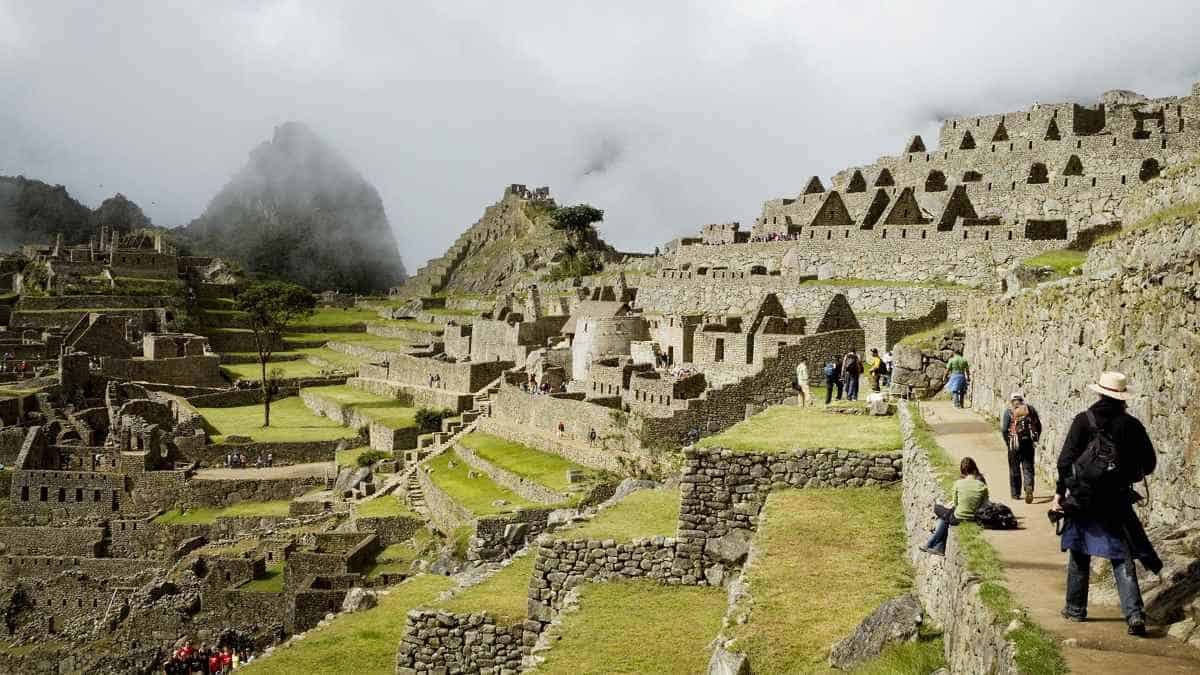
For Machu Picchu, it marks the time when it will start receiving a large number of visitors, for which Peru has imposed strict limitations on the number of visitors, travel routes, and even tickets to enter. For tourists visiting the citadel in September 2026, it all begins even before they arrive. The Ministry of Culture of Peru has fixed a limit of 5,600 people on any day that falls within the busy season period between 19 June 2026 and 2 November 2026.
Three Circuits Now Govern the Citadel
Machu Picchu’s visitor system is no longer organised around the older five-circuit structure.
Since 1 June 2024, the Ministry of Culture has operated three principal circuits containing 10 designated routes. These are Circuit 1 Panorámico, Circuit 2 Machu Picchu Clásico and Circuit 3 Machu Picchu Realeza.
The routes offer distinctly different experiences.
Advertisement
Advertisement
Circuit 1 focuses on panoramic viewpoints and includes the Upper Terrace, Machu Picchu Mountain and, during high season, routes towards Intipunku and the Inka Bridge.
Circuit 2 provides the classic archaeological experience, while Circuit 3 concentrates on the royal sector and includes routes associated with Waynapicchu, the Great Cavern and Huchuypicchu during the applicable season.
Advertisement
Advertisement
That makes choosing the correct ticket particularly important. Visitors cannot simply arrive and decide which part of the sanctuary they would like to explore.
Guide Groups Remain Limited to 16 Visitors
The guide requirement is also significant.
Peru’s regulations state that tourist guides must organise visitors into groups of no more than 16 people, with a guide accompanying the group throughout the route. The guide must also register the group and its circuit at the entrance.
The rule is not a brand-new September 2026 measure, but it remains part of the formal visitor-management framework.
Machu Picchu’s authorities also have powers to monitor arrival times and length of stay. The regulations specifically allow the Ministry of Culture to use technological and digital systems to supervise compliance with designated entry schedules and visitor-duration requirements.
For travellers, arriving late or attempting to use a ticket outside its authorised conditions can therefore create problems at the entrance.
Advertisement
Advertisement
Inca Trail Travellers Need the Correct Citadel Ticket
One important detail concerns visitors arriving through the Inca Trail.
For 2026, the Ministry of Culture stated that tickets purchased for the Inca Trail are linked to Circuit 3B within Machu Picchu, rather than automatically providing unrestricted access to every circuit or route within the citadel. The arrangement was introduced as part of efforts to manage visitor flows and protect the archaeological site.
This means trekkers should not assume that holding an Inca Trail permit gives them free choice across the entire citadel.
The Inca Trail and the Machu Picchu llaqta are managed through connected but distinct access arrangements, making advance planning essential.
September Falls Inside the High-Capacity Period
September is firmly inside Peru’s higher-demand travel window.
The 2026 capacity resolution sets the 5,600-visitor daily ceiling from 19 June through 2 November, alongside several other peak dates during the year.
Advertisement
Advertisement
For travellers, this makes advance ticket planning more important than simply choosing a date and hoping to find availability.
The Ministry of Culture opened 2026 ticket sales earlier than in previous years, beginning the reservation process in November 2025. Officials said the earlier release was intended to improve planning and reduce saturation during periods of heavy demand.
Cusco Remains the Natural Starting Point
Most Machu Picchu journeys begin in Cusco, the historic Andean city that serves as the main base for travellers exploring the Sacred Valley and the Inca sanctuary.
Visitors can combine Machu Picchu with destinations such as Ollantaytambo, Pisac and the Sacred Valley before travelling towards Aguas Calientes, the gateway town below the citadel.
The journey itself is part of the attraction, moving from Cusco’s high-altitude streets through the Andean landscape towards the warmer, greener environment surrounding Machu Picchu.
The sanctuary stands at approximately 2,430 metres above sea level, surrounded by tropical mountain forest on the eastern slopes of the Andes.
Advertisement
Advertisement
Peru Is Also Updating the Wider Visitor System
The tighter approach extends beyond the entrance gates.
On 11 September 2026, Peru’s Ministry of Culture, Ministry of Foreign Trade and Tourism and SERNANP announced improvements to the ticketing system for Machu Picchu and the Inca Trail. The authorities said the changes aim to make reservations more transparent and predictable while improving conservation and visitor management.
The wider Historic Sanctuary is also operating under a new 2026–2031 Master Plan, approved by SERNANP in March 2026.
For travellers, the direction is unmistakable: access to Machu Picchu is becoming more structured, not less.
Official Link: https://machupicchutours.shop/2026-updates.html
What Travellers Should Check Before Going
Visitors arriving in September need to check the precise circuit and route that is indicated on their tickets, along with the allowed period of admission. They also need to ensure that they abide by all the regulations of the place. It is forbidden to bring food, big luggage, drones, smoke, make noise, touch the structures, stray off from the prescribed paths, etc., and any violation can lead to immediate expulsion from the site without any compensation at all. Machu Picchu is one of the most wonderful destinations in South America, but the era when visitors would treat it as an indefinite spot for sightseeing is definitely over. In 2026, everything related to the site, including tickets, routes, guides, and periods of arrival, is included in the well-coordinated system that aims to preserve the treasure of Peru.
Advertisement
