
American Airlines Joins United and More as Rising Fuel Prices Rattle US Holiday Flights

Published
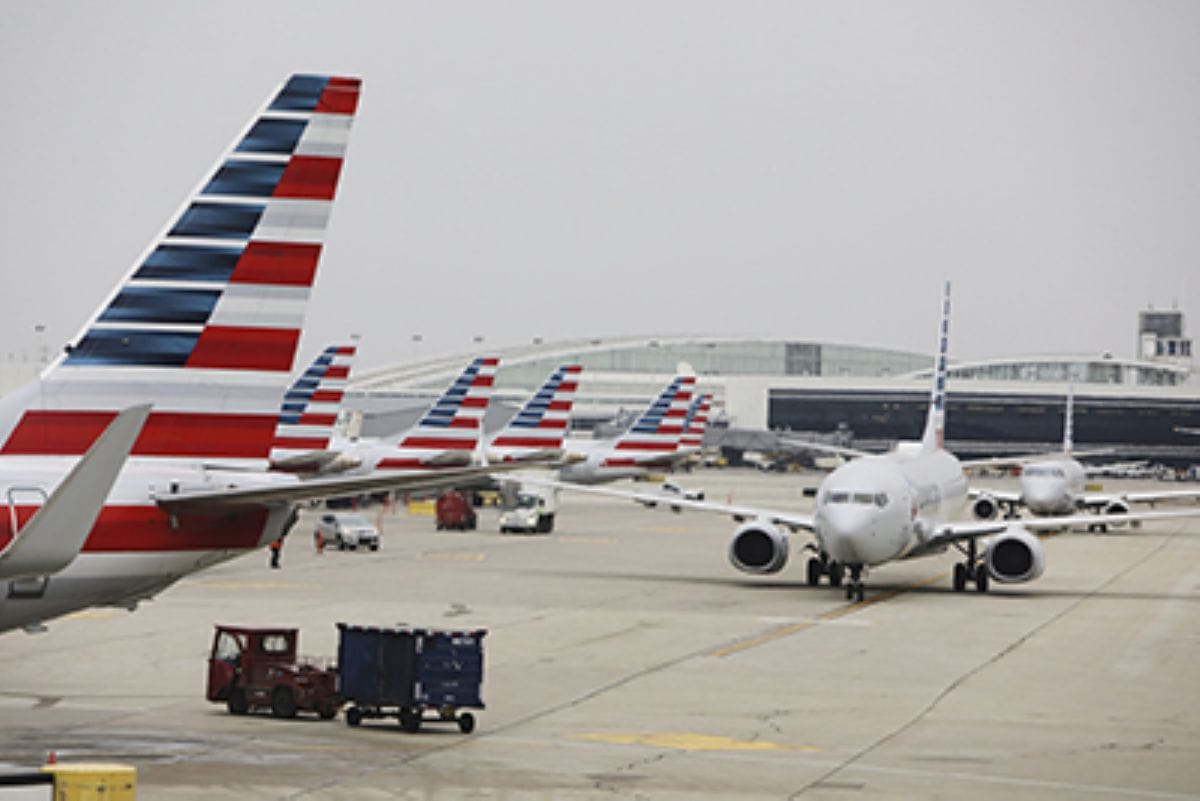
US airlines are facing a new and costly problem. Jet fuel prices have jumped sharply. This is forcing airlines to look again at their flight plans. American Airlines, United Airlines and Southwest Airlines are now cutting back growth or reviewing flights that make less money.
The change matters to millions of travellers. Fewer flights can mean fewer seats. Fewer seats can mean higher fares. It can also mean less choice for people flying from smaller cities or travelling at busy times.
The airlines are not stopping flights across the country. They are not closing their networks. But they are being more careful. They want to protect their money while fuel remains expensive.
Airlines for America showed that the US jet fuel price reached US$4.53 per gallon on 17 September 2026. This is a serious rise for airlines. Fuel is one of their biggest costs. When the price rises, every flight becomes more expensive to run.
American Airlines warns of difficult choices
American Airlines has given one of the strongest warnings. Capacity means the number of seats and flights an airline plans to offer. A cut does not always mean a whole route will disappear. An airline may reduce flights on a route instead. It may fly once a day rather than twice. It may also delay new services or use smaller aircraft.
American has not published a full list of routes that could be affected. This is important. Travellers should not assume that every American Airlines route will face cuts. The airline has said only that it may adjust future capacity if high fuel prices continue.
The company’s financial records show why it is concerned. In the second quarter of 2026, American paid an average of US$4.05 per gallon for aircraft fuel, including related taxes. That was 77.1% higher than a year earlier.
American’s aircraft fuel and related tax bill rose by US$2.2 billion in the quarter. The total reached US$4.9 billion. The airline also said it had no fuel hedging contracts in place at the end of June.
Fuel hedging is a tool that can protect an airline from some price rises. Without it, American is more exposed when fuel costs jump. This makes fare increases, cost cuts and capacity changes more important.
Advertisement
Advertisement
United Airlines starts trimming December flying
United Airlines has already started making some changes. Chief Financial Officer Mike Leskinen said the carrier had removed some flights planned for December. He also said more changes could follow if jet fuel remains expensive.
United’s approach is clear. It wants to protect profit instead of chasing market share. This means it may focus on flights that bring in less money or cost too much to operate.
United has not released a complete public list of the flights removed from its December schedule because of fuel costs. That means reports should avoid claiming that major routes have been cancelled unless the airline confirms them directly.
For travellers, the message is simple. December is a busy travel month. People flying for Christmas, New Year or winter holidays may see fewer choices on some routes. Flights that remain on sale may also fill faster.
United will need to balance higher costs with customer demand. The airline industry is still seeing strong demand in many markets. This gives carriers more room to raise fares. Yet they must be careful. Higher ticket prices can also make some people decide not to travel.
Southwest cuts planned growth
Southwest Airlines has made the clearest change so far. The airline had planned to grow capacity by around 2% to 3% in 2026. It has now reduced that plan to about 1% to 1.5%.
This is not the same as a major fall in Southwest’s total flying. It means the airline will grow more slowly than it first planned. But it is still a strong sign that fuel costs are changing airline decisions.
Southwest Chief Financial Officer Tom Doxey said higher fuel was the reason for the lower growth plan. He also said the airline could trim more capacity if fuel stays high for a longer period.
Southwest’s own second-quarter results show the scale of the problem. The airline paid US$3.92 per gallon for fuel during the quarter. Its fuel expense rose by US$889 million compared with the same period in 2025.
The airline has been able to recover part of the cost through fares. But this takes time. Airlines sell many tickets weeks before a flight leaves. They cannot always raise fares quickly enough when fuel prices move sharply.
Advertisement
Advertisement
| Airline | Latest 2026 action | Scale of change | Fuel-cost evidence | Hedging position | Route cuts confirmed? | What travellers may see |
|---|---|---|---|---|---|---|
| American Airlines | May make capacity trade-offs if high fuel prices continue | No quantified future capacity cut announced | Q2 average fuel cost: US$4.05/gallon, up 77.1% year on year; fuel expense: US$4.9bn, up US$2.2bn | No fuel hedges outstanding at 30 June 2026 | No airline-wide route or frequency list released | Possible reductions in future frequencies or weaker-performing services; higher fares if costs remain elevated |
| United Airlines | Has started removing selected December flights; further cuts possible if fuel remains high | Exact number of flights and routes not publicly listed | Management says the company is prioritising profitability and free cash flow over market-share growth | Not confirmed in the latest conference remarks | Yes, selected December flights were removed, but no full public list is available | Fewer December options on some markets, faster sell-outs and firmer prices during holiday travel |
| Southwest Airlines | Reduced planned 2026 capacity growth | From 2–3% to around 1–1.5% | Q2 fuel cost: US$3.92/gallon; fuel expense up US$889m year on year | Not stated in the latest guidance | No broad route cancellation list tied to the latest fuel decision | Slower network growth; fewer new seats than first planned; further trimming remains possible |
| US airline market | Carriers are reviewing weaker-margin flying and planned growth | Varies by airline | US jet fuel index: US$4.53/gallon on 17 September 2026 | Varies by carrier | No evidence of a nationwide mass-cancellation programme | Higher fares, fewer low-demand frequencies and less availability at peak travel times |
What this means for US travellers
The impact will not be the same everywhere. Large airports may keep many choices because demand is high. Smaller airports and weaker routes may face greater pressure. Airlines often review these services first when costs climb.
Holiday flights may become more expensive. Last-minute tickets may also cost more because airlines could have fewer empty seats to sell. Travellers may need to book earlier and compare more dates.
Still, it is too early to say that all US air travel will become much more costly. Fuel prices can change quickly. Airlines may also use strong demand and new revenue to manage the pressure.
The bigger story is about discipline. American, United and Southwest are showing that they will not keep adding flights just to grow. They are choosing profit over volume. If jet fuel stays expensive, that choice could reshape US flight schedules well into 2027.
image credit: news.aa.com
Advertisement
