
How Overtourism is Impacting NYC, Las Vegas, and Honolulu — And What It Means for Your 2026 Vacation

Published
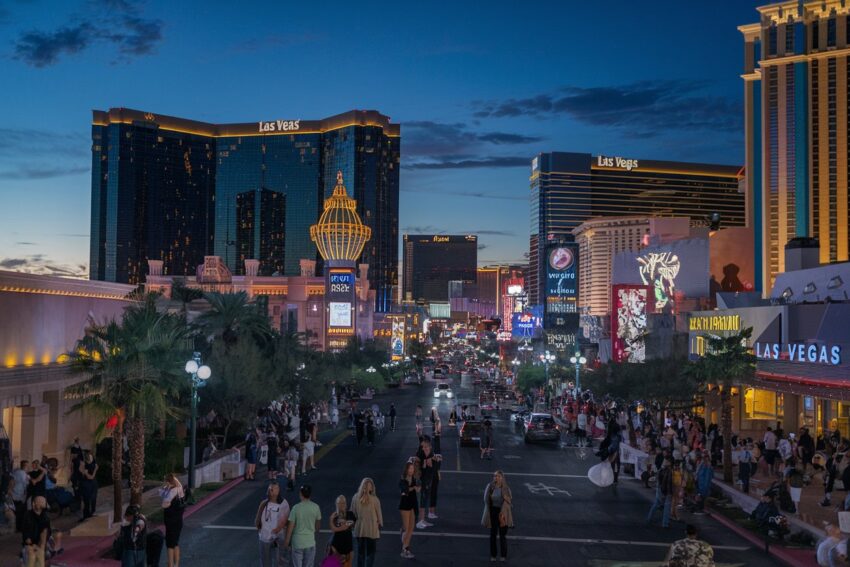 Image generated with Ai
In New York City, the surge in visitors has led to unprecedented congestion in popular tourist areas, particularly in Midtown Manhattan. Areas like Times Square and Broadway are seeing an influx of tourists that is overwhelming public transportation systems, pedestrian walkways, and local businesses. Residents are often left navigating through throngs of visitors, creating tension between local New Yorkers and tourists.
New York City is also dealing with the growing demand for accommodation in already congested neighbourhoods. While the hospitality sector benefits from higher occupancy rates, the challenges of accommodating millions of visitors in a limited area have sparked debates on how to balance the economic benefits of tourism with the well-being of residents. As tourist hotspots become more crowded, local businesses struggle to maintain the quality of life for their communities.
Advertisement
Advertisement
Las Vegas: Visitor Overload on the Strip Tests City Infrastructure
In Las Vegas, the tourism boom is felt most acutely on the Las Vegas Strip, where crowds are growing larger each year. The city, known for its entertainment, resorts, and casinos, is under increasing pressure to manage visitor flow while maintaining the high-end experiences that attract tourists. The problem is not just about crowds — it’s about managing an ever-expanding demand for services, hotel rooms, and transportation options.
Local authorities have acknowledged that hotel rooms in Las Vegas have reached full capacity during major events, and transportation systems are often stretched thin. With many visitors relying on rideshare services and public transport, there have been long wait times and service delays, leading to complaints from both residents and visitors. Las Vegas is actively working on upgrading its infrastructure, including new transit lines, expanded pedestrian zones, and more sustainable building practices. However, there are still ongoing concerns about balancing the city’s rapid growth with a sustainable tourism model.
Advertisement
Advertisement
Honolulu: Island Charm Meets High Visitor Demand in Overtourism Struggle
Meanwhile, in Honolulu, the Hawaiian tourism industry is facing its own set of challenges due to overtourism. Waikiki Beach has long been a top destination for international and domestic travellers alike, but crowding has become a serious concern in recent years. The Hawaiian Islands are feeling the effects of rapid tourism growth, which puts a strain on natural resources and local communities. Honolulu, known for its natural beauty, vibrant culture, and historical landmarks, is now looking to strike a balance between sustainable tourism and conservation efforts.
Local authorities are addressing overcrowding by instituting reservation systems for popular parks, beaches, and hiking trails. Additionally, the city is working on diversifying its tourism offerings, encouraging visitors to explore areas beyond Waikiki and discover the rest of Oahu and the other islands. The Hawaiian tourism model is evolving, with a focus on sustainability, cultural preservation, and community well-being at the forefront of these changes.
Advertisement
Advertisement
Strategies to Manage Overtourism: Solutions from City Officials
In response to the growing issue of overtourism, officials in all three cities are implementing solutions to mitigate the negative impact on both locals and the environment. Strategies such as congestion pricing, crowd control measures, tourist taxes, and destination management planning are being tested. For example, New York City has already introduced congestion pricing in some areas to reduce traffic congestion and improve air quality. Similarly, Las Vegas is considering measures such as tourism caps for high-demand events and better transportation options for visitors.
Honolulu is also looking at strategies such as limiting visitor numbers to popular attractions and implementing eco-tourism practices to preserve the natural beauty of the islands. Local tourism boards are also investing in marketing campaigns that encourage off-peak travel and promote lesser-known destinations to ease the pressure on the most visited areas.
Advertisement
Advertisement
What This Means for Travelers: How Overtourism Affects Your Vacation
For travelers planning trips to New York City, Las Vegas, or Honolulu in 2026, it’s important to stay informed about the ongoing changes in these cities’ tourism practices. As congestion pricing, reservation systems, and other restrictions are put in place, visitors should plan ahead by booking in advance and checking local travel guidelines to ensure a smooth experience. It’s also wise to explore alternative routes and lesser-known attractions to avoid the crowds and make the most of your vacation.
Travel advisors are also increasingly recommending flexible itineraries and advanced bookings for those visiting high-demand spots. With the rise of eco-tourism and sustainable travel options, exploring cities beyond their most famous landmarks will be a great way to avoid the negative aspects of overtourism.
Final Thoughts: Overtourism Solutions for Sustainable and Enjoyable Travel in 2026
As New York City, Las Vegas, and Honolulu continue to deal with the growing pressures of overtourism, it’s clear that travel must evolve in order to balance the needs of visitors, residents, and local ecosystems. In the future, sustainable tourism will be crucial to the longevity of the world’s most beloved destinations.
By incorporating smart travel policies, enhanced visitor management systems, and eco-conscious initiatives, these cities can continue to welcome tourists without compromising the quality of life for locals. For travelers, embracing these new strategies will ensure they can still experience the magic of these iconic destinations while helping protect them for future generations
Advertisement
