
How Tactile Models in Spain, US, Japan, and Germany Are Enhancing Accessibility for Visually Impaired Tourists

Published
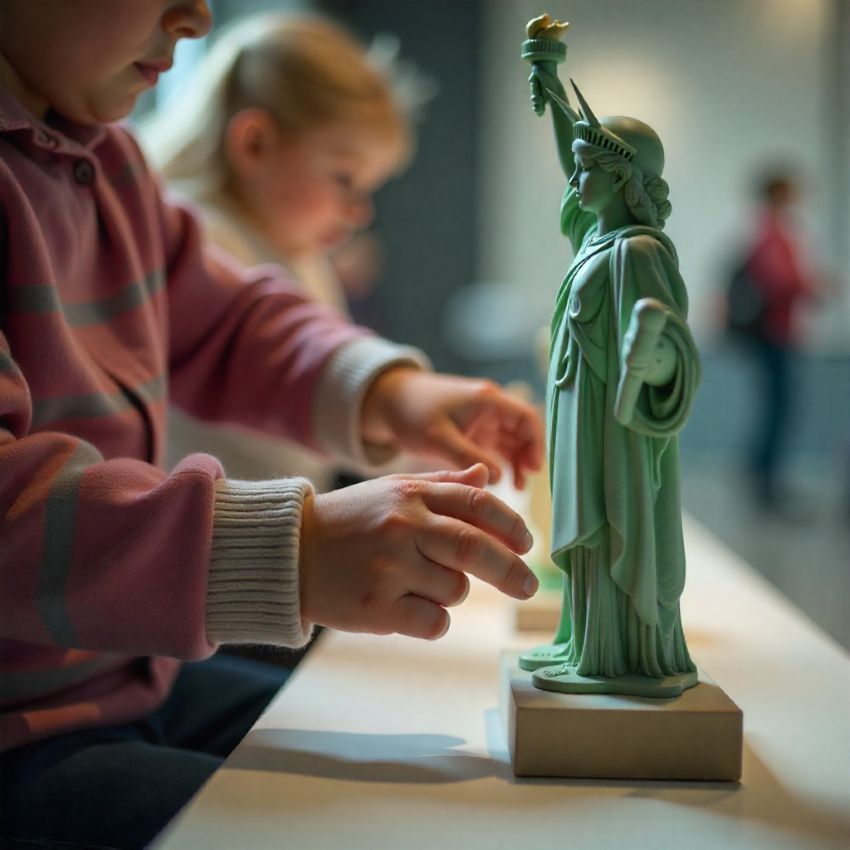
Image generated with Ai
Tourism for visually impaired travellers is becoming appreciably wider, with landmarks around the globe rolling out tactile models that empower total engagement. Crafted for the fingertips, these low-relief representations animate the skyline for the visually impaired, adding dramatic new dimensions to long-familiar cityscapes. In sun-drenched Águilas, Spain, and in sprawling US museums alike, textured pathways guide fingers over rose marble, mansard roofs, and soaring bell towers, quietly linking haptic memory to landmark identity. Tactile signage, embossed Braille, and sturdy, rhythmic layouts create a seamless thread that stitches history into the tactile present. Far from a peripheral courtesy, the growing commitment to sensory equity is becoming a cornerstone of forward-looking travel planning, demonstrating that hospitality today gracefully extends to offer accessible experiences.
Águilas, Spain: A Touch of Innovation
In Águilas, Spain, a coastal town famous for its historic architecture and scenic beauty, a new initiative has been launched to help visually impaired visitors experience the town’s landmarks. The local government has introduced tactile models of key sights such as the San Juan de las Águilas Castle, the Auditorio y Palacio de Congresos Infanta Doña Elena, and the El Hornillo railway loading jetty. Crafted from durable aluminium, these models allow tourists to explore the town’s iconic attractions with their hands, offering a tactile experience that complements the visual one.
Advertisement
Advertisement
Each model features detailed Braille descriptions, alongside Spanish and English text, which offer important information about the landmarks. In addition to the tactile features, these models include QR codes and NaviLens codes. When scanned with a smartphone, these codes provide audio descriptions of the landmarks, making them even more accessible for those with visual impairments. This effort is part of Águilas’ commitment to fostering an inclusive tourism experience, with the installation of the models expected to be completed before the year’s end, at a cost of €86,450. The project is a step towards making the town more welcoming to everyone, regardless of their abilities.
A Global Trend: Other Cities Embrace Accessibility
Águilas is not the only city to adopt these tactile models. The trend has spread across various parts of the world, with several other locations developing similar installations to ensure inclusivity for visually impaired travellers.
Advertisement
Advertisement
San Javier, Spain: Tactile Models of Aircraft
In San Javier, another town in Spain, tactile models of historically significant aircraft have been introduced. These models are part of a larger initiative to make the local aviation museum more accessible. The museum showcases various planes and aviation history, offering visitors an opportunity to explore the world of flight through touch. This initiative is designed for both visually impaired individuals and sighted visitors, as it allows all museum-goers to experience the exhibits in a unique way.
Madrid, Spain: The Museo Tiflológico
Madrid’s Museo Tiflológico, managed by ONCE, Spain’s national blind association, is an exemplary model of accessibility. The museum is dedicated to blind and visually impaired individuals and offers a wide variety of tactile experiences. Visitors can explore tactile replicas of famous monuments and historical buildings, providing them with an interactive way to learn about art, culture, and history. The museum goes beyond tactile models, offering a range of audio-described art and exhibits, ensuring that visually impaired individuals can fully engage with the museum’s collection. It is a beacon of inclusivity in the cultural landscape of Spain.
Advertisement
Advertisement
Seattle, USA: The Museum of Flight
Across the Atlantic, the Museum of Flight in Seattle, USA, has adopted similar principles of inclusivity. The museum offers tactile tours of its aviation exhibits, where visually impaired visitors can touch scaled-down models of aircraft and even real-life planes. These tactile tours are guided by trained docents who ensure that visitors understand the significance of each exhibit. The museum’s commitment to accessibility also extends to audio descriptions and other sensory experiences, making it an ideal destination for visually impaired aviation enthusiasts.
Springfield, USA: Abraham Lincoln Presidential Library and Museum
In Springfield, Illinois, the Abraham Lincoln Presidential Library and Museum has created a tactile experience for its visitors. The museum features a special exhibit called “Lincoln: Sight, Sound & Touch,” which includes tactile replicas of significant artefacts such as Lincoln’s life mask and his famous briefcase. The exhibit is designed to allow visually impaired visitors to connect with American history through touch and sound, adding an interactive layer to the historical experience. This initiative reflects a growing recognition of the need for more accessible cultural institutions in the United States.
St. Louis, USA: Gateway Arch Museum
The Gateway Arch Museum in St. Louis, Missouri, also caters to visually impaired visitors by providing tactile maps and bronze statues of the iconic Gateway Arch monument. These models allow visitors to learn about the history of the landmark and its significance to the city. The museum also offers tactile exhibits that allow blind or low-vision visitors to understand the layout and architectural details of the arch in a hands-on manner. This initiative has proven to be a valuable resource for making the Gateway Arch accessible to a wider audience.
Japan: BentoMuseum
In Japan, the BentoMuseum has incorporated a tactile experience into its exhibits to allow visually impaired visitors to understand 3D displays through touch. The museum features a layered, interactive museum map that visitors can explore by feeling, and audio descriptions are provided to enhance the tactile experience. This innovative approach allows blind visitors to interact with the exhibits in a way that is both educational and enjoyable.
Germany: A Leader in Accessibility
Germany is leading the way in making its cities more accessible for visually impaired tourists. Many German cities, including Berlin and Munich, have implemented tactile models of historic buildings and popular tourist attractions. These models are often part of special city tours designed to provide a sensory experience for people with visual impairments. Additionally, museums across Germany are offering tactile and audio-described tours, ensuring that visually impaired visitors can engage with art and culture. The German Tourism Association has been instrumental in developing these initiatives, which have made the country a standout example of accessibility in Europe
A More Accessible Future
Across an expanding network of cities and nations, tactile models and inclusive tourism are transforming travel into an increasingly welcoming journey for those who are visually impaired. These carefully crafted installations create moments of intimacy with landmarks, history, and heritage, empowering every visitor to engage with the world on a personal level. From the carved stone of Spain’s ancient fortresses to the sleek contours of aviation wings on American airfield displays and from the futuristic narratives of Japan’s hands-on museums to every stop in between, formerly distant tales are now rendered into touch, sound, and scent. The makeover is more than local generosity; it is a swiftly gathering global commitment to remove the silos of accessibility, turning tourism into a shared, rousing adventure for every human being.
Advertisement
