
Kenya Follows Somalia and Ethiopia as El Niño 2026 Threatens Tourism with Floods

Published
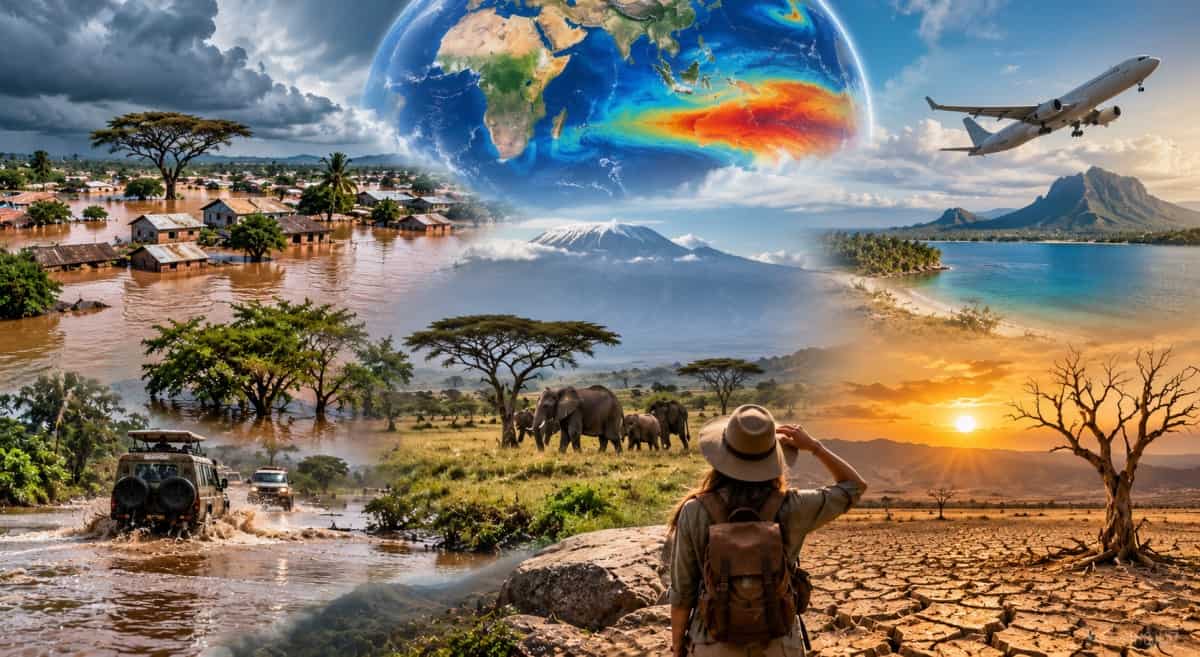
The intensifying El Niño phenomenon for 2026 poses a threat to global travel and tourism due to excessive rainfall, catastrophic floods, and lengthy droughts hitting well-known vacation spots like Kenya, Somalia, and Ethiopia, which would be more prone to flooding in the period of October-December. Various areas across Asia, Australia, and South America are likely to face contrasting extremes of weather. These shifts in weather systems can lead to disruptions in international flights, safaris, and operations of roads, hotels, and types of travel. With the increase in Pacific Ocean temperatures, people’s confidence in travel plans, travel insurance, and safety of visited places declines. Governments and various agencies are taking more measures to be ready.
Which Countries Face the Greatest El Niño Risks in 2026?
Official forecasts identify several vulnerable regions, although they do not establish a definitive global ranking of the worst-affected countries. Somalia, Kenya and Ethiopia face particularly serious flood concerns, while Uganda, Rwanda and Burundi may also experience unusually wet conditions. Across parts of South and South-East Asia, meanwhile, reduced rainfall could increase drought and heat-related pressures. These risks depend on local conditions and do not mean every tourist destination will experience disruption.
Advertisement
Advertisement
Somalia warrants particular attention. A September assessment published by the World Health Organization warned that 2.5 million to 3.5 million people could be exposed to flooding, with as many as one million potentially displaced. These are projections, not confirmed flood casualties or displacement figures. For tourism, the immediate concern is the possibility of flooded roads, disrupted regional connections and restricted access to accommodation, national parks and remote attractions.
Why Are Kenya, Somalia and Ethiopia Facing Increasing Flood Threats?
The Greater Horn of Africa faces heightened rainfall risks between October and December 2026. The WHO identifies Somalia, northern Kenya and eastern and southern Ethiopia among the areas likely to experience wetter-than-normal conditions. Heavy rainfall could overwhelm drainage networks, swell rivers and damage roads. Travellers planning wildlife excursions, countryside holidays or cross-country journeys should check regional weather forecasts before departure.
Advertisement
Advertisement
Kenya has already experienced damaging floods during its March–May rainy season. Authorities are strengthening emergency medical preparedness for the latest rainfall outlook. For safari tourism, the main potential problems include muddy access tracks, difficult river crossings and interrupted transfers to remote lodges. However, the forecast does not establish that Kenya’s national parks or major tourism attractions will close.
Which Other Countries Could Experience Dangerous Flooding or Severe Drought?
The WMO’s October 2026 outlook indicates increased rainfall likelihood across the Greater Horn of Africa, south-eastern South America and parts of Central Asia. Meanwhile, drier conditions are forecast across the Indian subcontinent, southern Central America, parts of the Caribbean and north-western South America. These regional signals may affect destination accessibility, agricultural tourism, outdoor recreation and water-dependent activities.
Advertisement
Advertisement
Australia also faces contrasting conditions. Its Bureau of Meteorology forecasts below-average rainfall for parts of Victoria, Tasmania and the tropical north, alongside wetter conditions across much of western Australia. For holidaymakers, this means different destinations could face different hazards, including heat, bushfire conditions or intense rainfall. Travellers should avoid treating Australia as a single climate-risk zone.
| Country or region | Principal forecast concern | Possible tourism implications |
|---|---|---|
| Somalia | High flood exposure | Road access and overland travel |
| Kenya | Above-average rainfall | Safari transfers and rural routes |
| Ethiopia | Heavy seasonal rainfall | Highland and countryside excursions |
| Uganda, Rwanda, Burundi | Wetter conditions | Trekking and road excursions |
| India | Below-average regional rainfall | Heat and water availability |
| Australia | Heat and regional rainfall extremes | Bushfire precautions and outdoor activities |
| Parts of Ecuador and Peru | Regional rainfall variability | Coastal and nature-based itineraries |
These are potential travel impacts inferred from official seasonal forecasts, not confirmed nationwide tourism disruptions or a ranking of disaster severity.
Advertisement
Advertisement
How Could El Niño Affect International Flights, Airports and Tourist Transfers?
Extreme weather can interrupt aviation through reduced visibility, waterlogged airport approaches, thunderstorms and restricted ground operations. Heavy rainfall can also damage roads connecting airports with hotels, safari lodges and tourist attractions. However, seasonal El Niño forecasts do not establish that airlines will cancel flights. Passengers should consult their airline’s operational updates rather than assume that flights to affected countries are suspended.
Travellers booking connecting flights should allow suitable transfer time and monitor weather warnings before leaving for airports. Those visiting remote destinations may need alternative road arrangements or additional flexibility around scheduled activities. Airlines and travel agents can explain the available rebooking options, but refunds and compensation depend on ticket conditions, applicable regulations and the specific circumstances of each disruption.
What Happens to Safari Tickets, Hotel Bookings and Holiday Packages During Extreme Weather?
Safari tickets, organised excursions and accommodation reservations remain subject to individual providers’ terms. Travellers should check whether operators offer date changes, activity substitutions or refunds when extreme weather makes an excursion unsafe. A seasonal warning does not automatically invalidate a booking. Equally, operators should not proceed with river crossings, wilderness activities or overland transfers when local authorities identify immediate dangers.
Flexible booking conditions could become particularly valuable for visitors arranging multi-destination African holidays. Before purchasing an excursion, travellers should request cancellation terms in writing and establish how operators communicate weather-related changes. For prepaid accommodation, refundable reservations may provide greater financial protection. Package holiday rights and insurance coverage can differ according to the traveller’s country of residence and booking arrangements.
Advertisement
Advertisement
Why Could El Niño Create New Challenges for Wildlife Tourism and Nature Holidays?
Wildlife tourism depends heavily on accessible landscapes, safe transport and reliable visitor infrastructure. Heavy rainfall can make tracks impassable, temporarily isolate accommodation and alter wildlife movements. Conversely, prolonged dry conditions can reduce water availability and increase heat exposure. These disruptions are not inevitable, but they deserve consideration when booking safaris, mountain trekking, birdwatching excursions and remote nature-based holidays.
Local guides remain important sources of practical information because conditions can differ sharply between neighbouring areas. Travellers should select established operators with contingency plans and suitable vehicles. Anyone participating in hiking or river-based activities should follow local instructions, avoid flooded crossings and consider alternative experiences if conditions deteriorate. Wildlife viewing opportunities may change without an entire destination becoming inaccessible.
What Should Tourists Know About Travel Insurance, Health Protection and Entry Requirements?
Travel insurance deserves particular attention during periods of elevated climate risk. Policies may distinguish between natural disasters, known weather events, medical emergencies and cancellations initiated by travellers. Tourists should verify flood-related cover before purchasing protection. The UK’s Foreign, Commonwealth & Development Office also warns that travelling against its advice can invalidate insurance arrangements in certain circumstances.
Kenya has introduced an additional entry-related insurance requirement. According to updated UK government guidance, most visitors staying for less than 12 months must obtain Kenyan Government-provided travel health insurance from 5 October 2026. Travellers requiring an electronic travel authorisation must purchase this insurance through the application process. This is separate from assessing whether additional comprehensive travel insurance is advisable.
Essential precautions before booking:
- Check official meteorological warnings for the exact destination.
- Confirm airport transfers and access to remote accommodation.
- Review ticket-change and hotel-cancellation conditions.
- Check insurance exclusions and entry requirements.
- Carry essential medication and emergency contact information.
- Follow local emergency authorities during flooding or severe heat.
How Are the United Nations and Governments Preparing for El Niño Emergencies?
The United Nations system is coordinating climate forecasts, humanitarian preparedness and risk-reduction activities as El Niño strengthens. The WMO is distributing seasonal climate information through national meteorological agencies and regional climate forums. Its forecasts help decision-makers anticipate potential hazards, although local authorities must translate these wider signals into specific warnings, emergency procedures and decisions affecting tourism infrastructure.
Advertisement
Advertisement
In Somalia, the government and UN agencies have raised concerns about flooding, displacement and deteriorating food security. Their September assessment highlighted the substantial humanitarian exposure ahead of the October–December rainy season. Kenya is also reinforcing emergency healthcare capacity. These preparations primarily protect communities, but effective warnings and emergency coordination can also help prevent visitors from entering dangerous areas.
What Does the Strengthening El Niño Mean for International Tourism in Late 2026?
El Niño presents a growing challenge for travel planning, but its influence varies across continents and individual destinations. The Australian Bureau of Meteorology reported on 13 October that El Niño had reached near-record levels on certain measures, while its projected strongest phase remained ahead. Importantly, the strength of the climate event does not determine the severity of weather impacts everywhere. Travellers should therefore prioritise destination-specific evidence over global alarm. Existing reservations need not automatically be cancelled because El Niño is active. Instead, visitors should monitor official forecasts, secure suitable insurance, confirm flexible booking arrangements and remain alert to local restrictions. For the tourism industry, reliable communication and practical contingency planning will prove essential as the 2026 event develops.
Advertisement
