
Thailand Links Andaman Tourism With New Stronger Marine Conservation Measures

Published
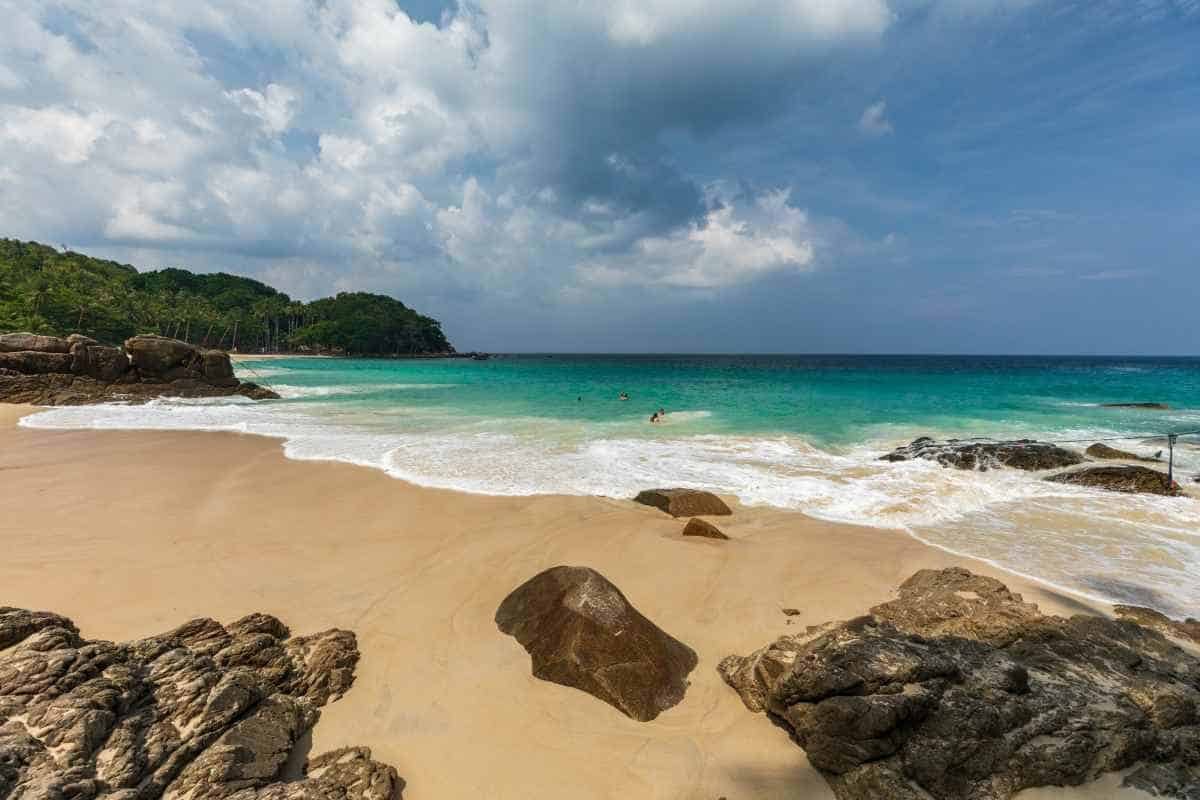
A trend towards conservation-oriented tourism is seen on the Andaman Coast of Thailand, where government bodies have started placing more emphasis on the conservation of marine life while still developing high-end tourist attractions. Krabi, Trang, and Phang Nga play a key role in this regard. Their beaches, islands, mangroves, coral reefs and seagrass beds are used for attracting tourists and providing means of livelihood to the locals; hence, environmental management is becoming a priority due to increasing tourist activities. Nevertheless, the specific statement regarding the launch of a national “Blue Carbon Marine Tourism Framework” in Thailand, where resorts would need to legally manage adjacent seagrass beds and mangroves, was not verified from existing government sources.
Thailand’s Marine Tourism Strategy Moves Forward
The Department of Marine and Coastal Resources, or DMCR, has outlined a 2026 programme focused on long-term protection of Thailand’s marine and coastal resources.
Its priorities include restoration of degraded coral reefs, stronger community participation in mangrove conservation and improved ecological information covering mangrove areas. The department has also been working on the Thailand Marine Frontier 2026, a strategic framework examining environmental, economic and social challenges affecting the country’s marine resources.
Advertisement
Advertisement
That broader direction fits closely with Thailand’s tourism strategy.
The Tourism Authority of Thailand has been promoting a Value over Volume approach, with sustainability, meaningful travel, local communities and responsible visitor experiences becoming increasingly important to destination development.
Advertisement
Advertisement
The result is a tourism landscape where conservation is increasingly being built into the visitor proposition.
Krabi Emerges as a Sustainable Tourism Testbed
Krabi is particularly important to this transition.
In September 2026, TAT presented the Krabi Prototype as a flagship sustainable tourism model, positioning the province as a testing ground for experiences that bring together conservation, communities and visitor wellbeing.
The model covers an area already known for destinations including Railay, Maya Bay and the Phi Phi Islands, but its emphasis extends beyond famous beaches. TAT describes the initiative as a working model built through collaboration with local stakeholders.
This is significant for resort tourism.
Advertisement
Advertisement
Rather than separating luxury hospitality from environmental management, destinations can increasingly connect accommodation, marine experiences, local communities and conservation programmes within the same tourism economy.
Seagrass Becomes Part of the Tourism Conversation
Seagrass meadows rarely receive the same attention from travellers as coral reefs.
Yet they are important coastal ecosystems, supporting marine species and contributing to the health of shallow-water environments. In Thailand, the protection of seagrass is also connected to efforts to safeguard dugongs and other marine wildlife.
A September 2026 DMCR operation in Krabi’s Koh Lanta and Si Boya island areas included monitoring of rare marine animals while promoting conservation measures for dugongs and seagrass habitats among local fishing communities.
That creates an opportunity for tourism operators.
Advertisement
Advertisement
Marine excursions could incorporate conservation education, guided observation and carefully managed visitor participation without turning sensitive habitats into high-intensity attractions.
The important distinction is that participation should support established conservation programmes rather than allowing visitors to interfere directly with fragile ecosystems.
From Resort Revenue to Conservation Funding
The idea of linking resort operations with marine restoration is gaining relevance as Thailand seeks to create more sustainable tourism economics.
The proposed model in the brief would take this a step further by connecting resort concessions with restoration obligations and measurable blue-carbon outcomes.
Such an arrangement could potentially involve hotels financing restoration projects, supporting monitoring programmes or contributing to community conservation funds.
Advertisement
Advertisement
But carbon claims require careful accounting.
A resort cannot simply claim a carbon benefit because it has funded seagrass planting or mangrove restoration. Carbon projects require recognised methodologies, monitoring and verification, while questions around ownership, permanence and additionality need to be addressed before environmental claims can be treated as credible.
For tourism businesses, this distinction will become increasingly important as travellers pay greater attention to the environmental claims attached to their holidays.
Visitors Could Become Part of the Conservation Story
Thailand’s emerging tourism model also places greater emphasis on meaningful visitor experiences.
TAT’s 2026 initiatives have repeatedly connected sustainability with community participation and responsible travel. In July, the agency worked with destination management companies to connect international travel buyers with 55 community destinations, describing community tourism as an important part of its Value over Volume direction.
Advertisement
Advertisement
Along the Andaman coast, that philosophy can be applied to marine tourism.
A luxury resort guest could take part in a guided mangrove experience, learn about seagrass ecosystems from local experts, visit a community conservation project or contribute to a verified restoration programme.
The emphasis is less on making tourists environmental researchers and more on making conservation visible within the travel experience.
Tourism Rules Are Becoming More Structured
The change is also appearing through stronger management of marine tourism activities.
In August 2026, DMCR announced work to organise tourism vessels and establish more sustainable marine-use systems, identifying Koh Racha and Koh Hong as pilot areas. The initiative reflects growing attention to how boats and tourism activity interact with marine resources.
Advertisement
Advertisement
In Krabi, DMCR has also been preparing measures designed to balance conservation with tourism use.
In March 2026, the department discussed introducing an admission fee at Khao Khanab Nam as a pilot for managing an ecotourism destination, with the stated objective of balancing natural-resource protection with tourism benefits and local income.
These measures point toward a wider shift.
Tourism growth is increasingly being linked with management systems that determine how visitors, boats, businesses and communities interact with sensitive coastal environments.
The Andaman Coast’s Next Tourism Phase
For Krabi, Trang, and Phang Nga, the challenge is creating a tourism-based economy where the protection of the environment is integrated into destination management as opposed to an extra component included post-development. However, the current programs in place in Thailand have yet to create the model described in the brief, where a nationwide resort-concession system and mandatory blue carbon regime are set up. Government action in 2026, however, demonstrates a clear shift towards marine conservation, community engagement, responsible tourism, and effective management of tourism activities. This could provide the Andaman destinations with a unique selling point for their next generation of tourists. The selling point will continue to be the turquoise waters, islands, beaches, and marine life of the destination. The manner in which that natural resource is protected might very well end up being a component of the experience.
Advertisement
