

Moldova Teams Up With Ireland And More Places In Boosting Tourism With New Flight Routes, Major Investments And Travel Campaigns

Published
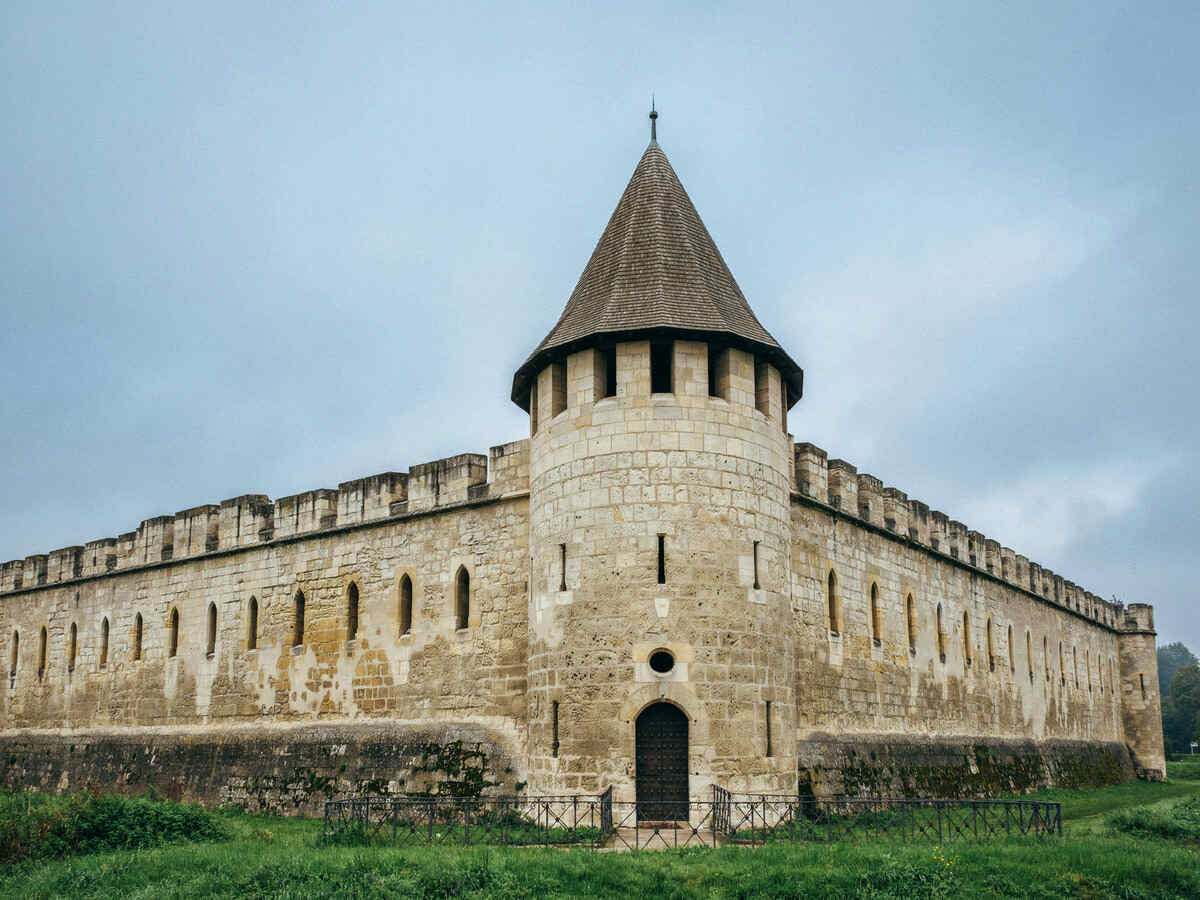
Moldova joins Ireland, Greece, and Malta to develop the tourism industry with new flights and investments. There are some positive trends in European tourism development in 2026, because Moldova, Ireland, Greece, and Malta are making efforts to increase tourism by launching large-scale infrastructure projects, international marketing campaigns, better air connectivity, and new ideas in the sphere of tourism. The tourism development of Moldova is based on the national programme with a total cost of MDL 618.2 million. In its turn, Ireland increases its global promotion and aviation development, Greece is working on the development of holiday incentives and all-season attractions, and Malta develops its tourism infrastructure and attracts international markets.
Moldova Emerges as Europe’s Fastest-Growing Tourism Destination With Ambitious Development Plans
Moldova is emerging as one of Europe’s most notable tourism growth markets in 2026. According to figures highlighted by UN Tourism, international tourist arrivals increased by approximately 25% during the first six months of the year. This placed Moldova ahead of several established European destinations in percentage growth.
The country’s progress reflects increasing interest in its cultural heritage, rural landscapes, traditional villages and distinctive visitor experiences. Moldova is also seeking to convert this rising international attention into long-term economic opportunities.
Its government is prioritising destination development, improved visitor infrastructure and stronger international promotion. These measures aim to attract travellers beyond the capital and encourage greater spending across regional communities.
Advertisement
Advertisement
Moldova’s MDL 618.2 Million Tourism Programme Targets Long-Term Expansion
A central part of Moldova’s tourism development strategy is the Turism 2029 National Tourism Development Programme, approved in June 2026.
The initiative covers the period from 2026 to 2029 and includes a planned budget of MDL 618.2 million.
Advertisement
Advertisement
The programme focuses on modernising tourism facilities, developing regional attractions, improving hospitality skills and introducing digital services.
It also supports the growth of rural accommodation, cultural tourism and nature-based travel.
The government estimates that the programme could support approximately 5,000 additional jobs. This remains a projected outcome, rather than an employment increase already achieved.
By improving tourism services and destination accessibility, Moldova aims to strengthen its competitiveness within the European travel market.
Sustainable Tourism Grants Give Moldova’s Regional Attractions New Opportunities
Moldova is also supporting local tourism development through its Sustainable Tourism 2026 grant programme.
Introduced by the National Tourism Office in June 2026, the initiative makes grants of up to MDL 750,000 available to eligible non-commercial organisations.
Advertisement
Advertisement
Funding supports tourism product development, destination promotion and digital transformation.
This approach is particularly important for communities outside Chișinău, where small tourism businesses can benefit from greater international visibility.
The programme creates opportunities to develop local heritage experiences, countryside attractions and community-based tourism products.
Meanwhile, the country’s established wine tourism industry remains an important part of its international appeal, with the Wine Road of Moldova connecting visitors to numerous producers and experiences.
Digital Technology and Cultural Tourism Strengthen Moldova’s International Appeal
Moldova is increasingly recognising digital innovation as a tool for expanding its tourism industry.
During the Moldova Tourism Forum in September 2026, tourism authorities and industry representatives discussed artificial intelligence, mobile visitor services, digital guides and international destination promotion.
Advertisement
Advertisement
The discussions also highlighted opportunities to develop cultural routes and improve the accessibility of regional attractions.
Such initiatives are particularly relevant because accommodation statistics show that Chișinău accounts for approximately 75.2% of accommodated tourists.
Encouraging visitors to explore other regions could distribute tourism activity more widely.
Official figures show that Moldova welcomed approximately 159,600 foreign visitors to registered accommodation establishments during the first half of 2026, an increase of 24.7%.
Ireland Strengthens European Tourism With Global Campaigns, New Flights and Major Funding
Ireland is implementing an extensive international tourism strategy in 2026, combining overseas marketing, improved connectivity and regional destination promotion.
Tourism Ireland launched its new marketing strategy in January, focusing on attracting international visitors from established and emerging markets.
Advertisement
Advertisement
The country’s approach places particular emphasis on encouraging travellers to explore destinations beyond its principal urban centres.
Ireland is also promoting cultural heritage, coastal landscapes, outdoor experiences and local communities.
Its international tourism strategy includes stronger collaboration with airlines, ferry operators and hospitality businesses.
These efforts coincide with a recovery in inbound tourism, with approximately 3.24 million foreign overnight visits recorded during the first six months of 2026.
Ireland’s €71.43 Million Marketing Allocation Expands Its Global Reach
The Irish Government allocated €71.43 million to overseas tourism marketing for 2026.
The funding supports promotional activity targeting travellers in key international markets.
Advertisement
Advertisement
Tourism Ireland is operating across 15 priority markets while increasing engagement with destinations including India, China and Canada.
Its Ireland Goes Beyond campaign highlights the island’s landscapes, heritage, culture and distinctive travel experiences.
The authority also plans to provide more international promotional opportunities for smaller tourism businesses.
Separately, Ireland’s tourism capital investment plans provide for €400 million during 2026–2030.
The wider strategy aims to increase annual overseas tourism revenue across the island to more than €10 billion by 2031, although this remains a future target.
Ireland Unrushed Campaign Encourages Visitors to Discover Hidden Destinations
In May 2026, Tourism Ireland introduced the Ireland Unrushed international campaign.
Advertisement
Advertisement
The promotional initiative encourages travellers to spend more time exploring the island rather than concentrating on short visits to major attractions.
It highlights regional destinations, local communities, cultural traditions and experiences suited to slower-paced travel.
The campaign was planned to reach more than 100 million people internationally.
This strategy can support tourism businesses across rural Ireland by attracting attention to destinations beyond Dublin.
Ireland is also developing international aviation access, including a direct Dublin–Shanghai connection announced in 2026.
Greater connectivity provides additional opportunities to attract travellers from long-haul markets and broaden the country’s international visitor base.
Advertisement
Advertisement
Ireland’s Visitor Spending and Accommodation Growth Reinforce Tourism Recovery
Ireland’s tourism recovery is visible in official visitor and accommodation statistics.
Approximately 3.24 million foreign overnight visitors travelled to Ireland between January and June 2026, representing growth of around 15% compared with the same period in 2025.
Visitor expenditure also increased, with approximately €2.6 billion recorded during the first half of the year.
Great Britain remained Ireland’s largest visitor market in June, followed by continental Europe and North America when measured by regional shares.
Meanwhile, Eurostat reported a 14.6% increase in Irish tourist accommodation nights during the first six months of 2026.
These figures demonstrate improving demand, although international visitor totals remained slightly below their equivalent 2024 level.
Advertisement
Advertisement
Greece Expands Tourism With Holiday Incentives, Infrastructure Planning and Year-Round Attractions
Greece is strengthening its tourism industry through a combination of government-supported holidays, sustainable development initiatives and regional destination diversification.
The country recorded approximately 13.49 million inbound travellers during the first half of 2026, according to the Bank of Greece.
This represented an increase of 15.4% compared with the corresponding period in 2025.
International tourism receipts reached approximately €8.8 billion, rising 14.8%.
Germany, the United Kingdom and Italy remained important source markets.
Road-border arrivals increased by 49.3%, substantially exceeding the 7.3% rise recorded through airports.
Advertisement
Advertisement
These figures indicate that both international connectivity and cross-border travel contributed to Greece’s tourism expansion.
Greece’s Tourism for All Programme Encourages Affordable Off-Season Holidays
Greece is supporting domestic tourism through its Tourism for All 2026–2027 programme.
The initiative provides digital holiday vouchers to eligible residents for accommodation within Greece.
Support ranges from €200 to €600 across the principal beneficiary categories, depending on eligibility and travel season.
The government offers higher payments for certain off-season travel periods, encouraging visitors to take holidays between October and April.
This provides an opportunity for accommodation businesses to attract guests beyond the peak summer months.
Advertisement
Advertisement
By August 2026, the programme had attracted more than 1.15 million applications, with approximately 71% selecting the low-tourism season.
Mountain Destinations and Smaller Islands Create New Tourism Opportunities
Greece is also working to diversify its tourism offering beyond famous beaches and established island destinations.
Government initiatives include developing mountain tourism, encouraging year-round activities at ski centres and improving opportunities for visitors to explore inland regions.
The country is also considering ways to strengthen tourism across smaller Ionian islands, including Othonoi, Mathraki and Ereikoussa.
Transport accessibility, infrastructure development and destination promotion form part of these discussions.
A new tourism spatial planning framework announced in August 2026 seeks to guide development while protecting natural and cultural assets.
Advertisement
Advertisement
Together, these measures are intended to create a more balanced tourism economy and reduce excessive dependence on popular summer destinations.
Malta Accelerates Tourism With Transatlantic Flights, Premium Hospitality and Destination Upgrades
Malta is expanding its tourism industry in 2026 through improved international connectivity, hospitality upgrades and greater emphasis on higher-value travel.
The Mediterranean destination welcomed approximately 2.62 million international visitors between January and July 2026, an increase of 18.6%.
Tourism expenditure reached approximately €2.33 billion, up 15.8% compared with the previous year.
The government is focusing on developing visitor experiences while addressing infrastructure and environmental pressures.
Its initiatives include improving accommodation standards, upgrading public spaces and promoting cultural attractions outside the traditional summer period.
Advertisement
Advertisement
New Malta–New York Flights Strengthen Access to Long-Haul Markets
A notable development in Malta’s international tourism strategy is the introduction of direct Malta–New York air services in 2026.
The connection creates additional travel opportunities between Malta and the United States.
Direct air access can make the destination more convenient for American visitors while supporting its broader international marketing efforts.
Malta is also improving key tourism areas, including regeneration initiatives in Buġibba and rehabilitation work associated with the Blue Lagoon.
Meanwhile, new accommodation regulations introduced in 2026 aim to improve operating standards across hotels, boutique properties and short-term holiday rentals.
These developments form part of Malta’s wider effort to balance visitor growth with destination quality.
Advertisement
Advertisement
Europe Tourism Growth in 2026: How Four Countries Are Expanding Their Travel Industries
| Country | Major 2026 tourism initiatives | Reported tourism performance | Strategic focus |
|---|---|---|---|
| Moldova | MDL 618.2 million development programme, sustainable tourism grants, digitalisation | International arrivals +25%, H1 | Rural tourism, wine experiences, regional growth |
| Ireland | €71.43 million overseas marketing allocation, new connectivity, international campaigns | Foreign overnight visits approximately +15%, H1 | Global promotion, regional travel, international markets |
| Greece | Holiday vouchers, mountain tourism, smaller island development | Inbound travellers +15.4%, H1 | Year-round tourism, domestic incentives, sustainable planning |
| Malta | Direct US flights, accommodation reforms, tourism infrastructure improvements | International arrivals +18.6%, January–July | Long-haul connectivity, premium experiences, destination quality |
New Flight Routes, Digital Innovation and Sustainable Travel Reshape European Tourism
The initiatives introduced by Moldova, Ireland, Greece and Malta demonstrate how European destinations are adapting to evolving international travel demand.
Air connectivity is particularly important for Ireland and Malta, where access to overseas markets supports inbound tourism.
Moldova is focusing more heavily on destination development, smaller tourism businesses and regional tourism infrastructure.
Greece is combining established international demand with initiatives designed to encourage domestic holidays and visits outside the summer season.
Across these countries, digital technology is also becoming an increasingly important part of tourism development.
Artificial intelligence, online destination promotion and digital visitor services can help travellers discover attractions and make informed travel decisions.
Advertisement
Advertisement
Sustainability remains another major priority, particularly as destinations seek to distribute visitors more evenly across regions and seasons.
What Europe’s Tourism Expansion Means for International Travellers in 2026
For international tourists, the strategies being implemented across these four destinations could create a broader range of travel experiences.
Moldova offers opportunities to discover wine-producing regions, rural landscapes and cultural heritage attractions.
Ireland continues to promote scenic coastal routes, traditional communities, historic landmarks and regional experiences.
Greece is strengthening its appeal through island holidays, mountain destinations, cultural attractions and more opportunities outside summer.
Malta is enhancing its combination of Mediterranean coastal experiences, historic cities, hospitality services and international accessibility.
Advertisement
Advertisement
However, tourism growth does not automatically guarantee lower prices or improved availability. Travellers should check actual flight schedules, accommodation rates and attraction opening times before booking.
European Tourism Enters a New Phase as Investment and International Demand Expand
Moldova, Ireland, Greece and Malta are demonstrating four distinct approaches to strengthening tourism in 2026.
Moldova is prioritising investment in its developing visitor economy. Ireland is expanding overseas marketing and international connections. Greece is encouraging year-round travel through holiday incentives and regional tourism initiatives. Malta is investing in destination quality and wider international access.
Together, their strategies illustrate how government funding, new flight routes, global tourism campaigns and sustainable infrastructure development are influencing Europe’s tourism industry.
The results are particularly significant against a wider global backdrop. UN Tourism reported worldwide international arrivals growth of just 0.4% during the first half of 2026 and subsequently reduced its full-year forecast to 1–2%.
Although the direct economic impact of individual initiatives will require further evaluation, the confirmed tourism figures demonstrate substantial growth in these four markets.
Advertisement
Advertisement
Moldova is added to the list of Ireland, Greece, and Malta to increase tourism in 2026 through flights, investments, and global travel marketing.
In the case of European tourism, it can be seen that the main element of development is evident: tourist competition in 2026 involves more than just increased numbers of tourists.
Advertisement
