

Chile Stands Alongside Brazil and Argentina as South America’s Wildfire Tourism Preparedness Faces a Defining Test of Holiday Safety and Visitor Protection

Published
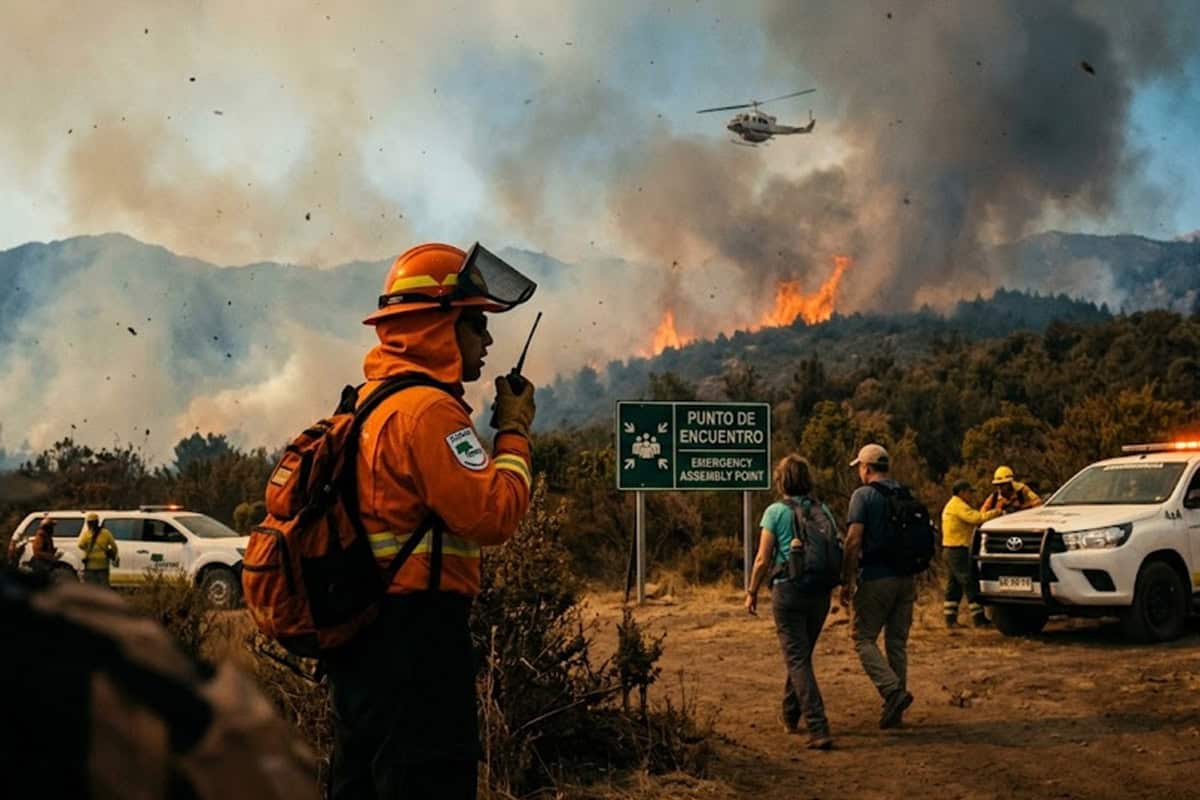
Chile wildfire tourism preparedness 2026 faces a historic benchmark as governments across South America unify emergency response frameworks to shield regional visitor economies. Expanding across Chile, Brazil, and Argentina, extreme seasonal climate pressures have transformed ecological risk management into an essential pillar of national tourism infrastructure. As millions of international travellers arrive for peak holiday seasons, authoritative public institutions are deploying real-time satellite tracking, cross-border civil defense protocols, and stringent visitor safety mandates. This comprehensive policy transformation establishes guaranteed safety standards, ensuring that world-class destinations maintain operational resilience and total visitor protection.
Background: The Evolution of Wildfire Risks Across South America’s Tourism Hubs
Over the past decade, climate variability, extended droughts, and changing land-use patterns have significantly shifted the operational landscape for South America’s flagship travel destinations. Central and southern Chile, the Patagonian corridors of Argentina, and the vast natural reserves of Brazil face escalating seasonal fire risks during southern hemisphere summer cycles. Historically managed through localized forestry responses, wildfire management has transitioned into a primary national security and economic priority.
Advertisement
Advertisement
The geographical intersection between critical ecological reserves and high-density tourist circuits—such as Chile’s Valparaíso and Biobío regions, Argentina’s Los Glaciares National Park, and Brazil’s biomes—demands absolute structural coordination. Millions of global visitors depend on uninterrupted access to national parks, coastal towns, and cultural heritage sites. Consequently, public agencies have restructured their operational frameworks to integrate civil protection directly into national tourist strategies.
Latest Official Developments and Government Announcements
Government authorities across the Southern Cone have unveiled expanded regulatory standards and institutional investments to guarantee safety across major travel corridors. In Chile, the Ministry of the Interior and Public Security, alongside the National Disaster Prevention and Response Service (SENAPRED), released updated directives establishing strict early warning protocols for all licensed hospitality operators and wilderness guides.
Advertisement
Advertisement
                                          ┌─────────────────────────────────────────┐
                                          │     NATIONAL DISASTER & SAFETY SYSTEMS  │
                                          └────────────────────┬────────────────────┘
                                                               │
                       ┌───────────────────────────────────────┼───────────────────────────────────────┐
                       ▼                                       ▼                                       ▼
    ┌─────────────────────────────────────┐ ┌─────────────────────────────────────┐ ┌─────────────────────────────────────┐
    │          CHILE (SENAPRED)           │ │           BRAZIL (MEC/IBAMA)        │ │          ARGENTINA (SNMF)           │
    ├─────────────────────────────────────┤ ├─────────────────────────────────────┤ ├─────────────────────────────────────┤
    │ • Real-time SAE mobile alerts       │ │ • 4,410 federal firefighters        │ │ • Unified Patagonia Command         │
    │ • CONAF early warning protocols     │ │ • Expanded IBAMA/Prevfogo budget    │ │ • Emergency Fire Law enforcement    │
    │ • Mandatory lodge evacuations       │ │ • Satellite biome monitoring        │ │ • Route 40 safety corridors         │
    └─────────────────────────────────────┘ └─────────────────────────────────────┘ └─────────────────────────────────────┘
Concurrently, Chile’s National Forest Corporation (CONAF) reinforced preventive closures of sensitive trail networks during extreme meteorological conditions. These measures ensure that local authorities can execute preemptive evacuations well before active fronts imperil populated zones or travel routes.
In Brazil, the Ministry of the Environment and Climate Change (MMA), operating in coordination with IBAMA (Prevfogo), officially expanded federal firefighter deployments to historical highs. The Brazilian government allocated record funding to deploy thousands of specialized personnel across vulnerable biomes, prioritizing areas adjacent to major ecotourism hubs.
Advertisement
Advertisement
In Argentina, the Ministry of Security, through the National Fire Management Service (SNMF), initiated a unified operational framework with southern provincial governments. Following severe seasonal fires in Patagonia, federal directives established emergency response corridors along National Route 40 and surrounding national park networks, maintaining strict air and ground surveillance throughout high-risk periods.
Key Official Statistics and Performance Metrics
Statistical disclosures from national environmental agencies and official disaster management authorities highlight both the scale of seasonal risks and the impact of early intervention measures:
Advertisement
Advertisement
| Metric / Parameter | Chile (CONAF / SENAPRED) | Brazil (IBAMA / Prevfogo) | Argentina (SNMF) |
| Deployed Personnel | Over 3,000 active CONAF firefighters & brigade workers | 4,410 specialized federal firefighters | Integrated multi-provincial brigade units |
| Monitored Land Area | 310,000+ hectares under active satellite surveillance | Multi-biome satellite tracking across Amazon/Pampas | 230,000+ hectares protected across southern provinces |
| Early Warning Systems | Emergency Alert System (SAE) cell broadcast network | Unified Civil Defense alert system | Federal SNMF daily fire risk index |
| Inter-Agency Budgeting | State emergency allocations for disaster response | Fivefold budget increase compared to 2019 baseline | Emergency Fire Law federal allocations |
These figures demonstrate a clear shift toward proactive containment, minimizing overall structural damage and keeping primary tourist zones operational throughout the year.
Policy Implications and Multi-Agency Governance
The integration of Chile wildfire tourism preparedness 2026 policy standards represents a broader regional shift toward unified disaster risk reduction. Historically, tourism ministries operated independently from emergency response networks. Under current policy frameworks, national tourism boards—including Chile’s SERNATUR, Brazil’s EMBRATUR, and Argentina’s National Institute of Tourism Promotion (INPROTUR)—are embedded within federal emergency command centres.
Mandatory Civil Defense Integration for Tourism Operators
Under newly enforced regulations, private tourism operators, hoteliers, and tour transport services must maintain certified risk reduction plans. Key requirements include:
- Automated Emergency Broadcast Alignment: All accommodation providers in high-risk zones must integrate federal alert protocols into guest orientation procedures.
- Defensible Space Mandates: Properties adjoining state parks or forest land must maintain clear defensible perimeters to mitigate fire spread.
- Mandatory Evacuation Drills: Tour operators in national parks are required to complete seasonal evacuation exercises supervised by municipal civil defense officers.
These regulatory updates bind commercial operations to public safety mandates, ensuring total compliance across the hospitality industry.
Advertisement
Advertisement
Industry and Economic Impact Across South America
The economic viability of South America’s tourism sector is deeply connected to environmental safety perception. Tourism contributes significantly to the gross domestic product of Chile, Argentina, and Brazil, supporting hundreds of thousands of jobs in transportation, hospitality, and outdoor recreation. Uncontrolled wildfires present direct financial risks through infrastructure damage, cancelled bookings, and prolonged travel advisories.
                                          ┌─────────────────────────────────────────┐
                                          │      ECONOMIC & TOURISM RESILIENCE      │
                                          └────────────────────┬────────────────────┘
                                                               │
                       ┌───────────────────────────────────────┴───────────────────────────────────────┐
                       ▼                                                                               ▼
    ┌─────────────────────────────────────┐                                         ┌─────────────────────────────────────┐
    │     DIRECT ECONOMIC SAFEGUARDS      │                                         │    OPERATIONAL RESILIENCE METRICS   │
    ├─────────────────────────────────────┤                                         ├─────────────────────────────────────┤
    │ • Protection of park infrastructure │                                         │ • Guaranteed travel itinerary flow  │
    │ • Continuity of flight/rail travel  │                                         │ • Rapid reopenings of key routes    │
    │ • Preservation of heritage sites    │                                         │ • Real-time visitor safety updates  │
    └─────────────────────────────────────┘                                         └─────────────────────────────────────┘
By institutionalizing robust fire prevention protocols, regional governments protect essential revenue streams. Strategic investments in heavy aerial firefighting fleets, satellite detection systems, and road safety corridors prevent widespread closures of critical transit arterial roads like Argentina’s National Route 40 or Chile’s Route 68. Consequently, international airlines and cruise operators can maintain regular schedules with high confidence in regional contingency planning.
Public, Business, and Visitor Protection Protocols
Ensuring visitor safety requires transparent communication systems that keep travellers fully informed without generating unnecessary panic. Government agencies across the three nations have implemented clear multi-language advisory channels to assist domestic and international visitors.
Digital Alert Channels and Public Access Guidance
- Mobile Alert Messaging: Chile’s SAE delivers localized geo-targeted alerts directly to mobile devices in affected areas, providing clear instructions on safe assembly points and evacuation routes.
- Park Access Portals: National park authorities publish daily status updates regarding trail closures, weather conditions, and campfire restrictions.
- Transport Safety Bulletins: State transit departments provide real-time updates on highway visibility, smoke conditions, and detour routes to prevent traffic bottlenecks during emergencies.
These public mechanisms empower visitors to make informed travel choices while ensuring that emergency services can operate efficiently without civilian interference.
Official Institutional Statements and Strategic Commitments
Official statements published by civil defense leadership emphasize the commitment to maintaining safe, open, and resilient tourism corridors.
Chile’s SENAPRED executive leadership stated in official disaster response summaries:
Advertisement
Advertisement
“Our primary institutional mandate is the absolute protection of human life and infrastructure across all national territories. Through rigorous inter-agency coordination, early warning technology, and preventive park closures, Chile maintains the highest international standards of safety for both residents and visiting tourists.”
Similarly, representatives from Brazil’s Ministry of the Environment (MMA) noted in federal operational updates:
“By expanding our specialized firefighting force to over four thousand federal personnel and increasing operational budgets, Brazil demonstrates its unwavering commitment to protecting our biodiversity and ensuring that our national biomes remain secure for global visitors.”
Future Outlook: Building Long-Term Climate Resilience in South American Tourism
Looking ahead, South America’s leading destinations are establishing a new international benchmark for integrated climate adaptation and tourism management. The long-term strategy extends beyond reactive firefighting, focusing on sustainable landscape management, continuous satellite monitoring, and permanent cross-border disaster response cooperation.
Through sustained public investment, cross-agency integration, and transparent public communication, Chile, Brazil, and Argentina are securing their positions as world-class travel destinations. Travelers can explore South America’s diverse landscapes backed by comprehensive emergency preparedness and dedicated safety systems.
Advertisement
