

Tanzania Aligns with Kenya and More in Expanding Rail Travel in Africa as New Routes and Major Investments Transform Tourism in 2026

Updated
Published
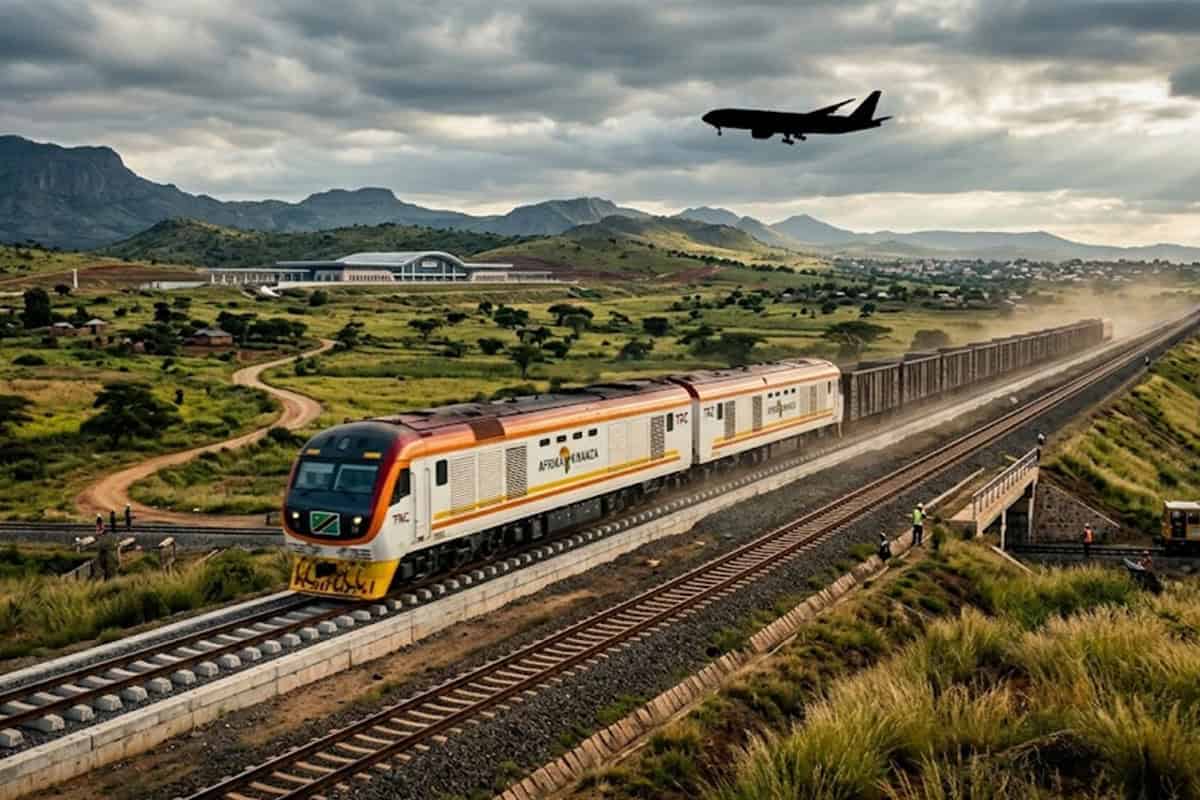
Rail Travel in Africa is undergoing an unprecedented structural revolution as national governments across the East African Community accelerate cross-border infrastructure integration. Heavy state-backed funding, alongside international multilateral development investments, is actively converting isolated national transport corridors into a unified continental network. Modern standard gauge railway projects in Tanzania and Kenya now serve as the primary engine for East Africa’s economic transformation, drastically reducing freight transit costs, streamlining cross-border logistics, and enhancing regional tourist access. This systemic expansion reflects a broader shift toward regional mobility, economic resilience, and sustainable intra-African commerce.
Background of Regional Railway Connectivity in East Africa
For over a century, rail transport infrastructure within East Africa relied predominantly on legacy metre-gauge networks constructed during the colonial era. These older rail lines were primarily designed to extract raw materials from interior agricultural or mineral sites directly to coastal ports, rather than promoting internal regional integration or facilitating seamless passenger movement between neighboring nations. Over time, deferred maintenance, operational inefficiencies, and insufficient capital investment severely constrained the physical capacity of these corridors, driving the overwhelming majority of regional freight and passenger transit onto highway networks.
This heavy dependency on road transport introduced substantial economic friction. Cargo transit from coastal maritime hubs such as Dar es Salaam in Tanzania or Mombasa in Kenya to landlocked interior nations—including Uganda, Rwanda, Burundi, and the Democratic Republic of the Congo—became notoriously slow, costly, and subject to severe border delays. Recognizing that high transport overheads directly impaired trade competitiveness and muted intra-regional tourism, sovereign nations within the East African Community (EAC) established formal frameworks to modernize their transport infrastructure through high-capacity Standard Gauge Railway (SGR) networks.
Initial master planning focused on establishing distinct high-capacity transport corridors: the Northern Corridor anchored by Kenya, and the Central Corridor anchored by Tanzania. Kenya inaugurated the first major segment of its SGR network connecting the port city of Mombasa to Nairobi, subsequently extending the track westward to Naivasha. In parallel, Tanzania embarked on the construction of an electrified SGR network starting from the port, targeting an extension across its central mainland toward its western borders.
Advertisement
Advertisement
While these initial developments operated primarily as standalone national corridors, political and economic momentum shifted toward physical alignment. National governments recognized that isolated rail routes limit long-term commercial yield. Modernizing Rail Travel in Africa required moving beyond disconnected national corridors to build an integrated inter-state grid. By coordinating technical standards, customs protocols, and route alignments, Tanzania, Kenya, and neighboring partner states established the foundation for a fully connected railway ecosystem designed to support long-term regional integration.
+-----------------------------------------------------------------------------------+
|                        EAST AFRICAN SGR NETWORK ARCHITECTURE                      |
+-----------------------------------------------------------------------------------+
|                                                                                   |
|   [ NORTHERN CORRIDOR ]                                                           |
|   Mombasa Port  ==>  Nairobi  ==>  Naivasha  ==>  Kisumu / Malaba  ==> (Uganda)   |
|                                         ||                                        |
|                                         || (Voi-Taveta Cross-Border Extension)    |
|                                         \/                                        |
|   [ SOUTHERN / CENTRAL LINK ]           ||                                        |
|   Tanzania Border <=====================++                                        |
|          ||                                                                       |
|          \/                                                                       |
|   [ CENTRAL CORRIDOR ]                                                            |
|   Dar es Salaam Port  ==>  Morogoro  ==>  Dodoma  ==>  Isaka  ==> (Burundi / DRC) |
|                                                                                   |
+-----------------------------------------------------------------------------------+
Latest Official Developments and Strategic Alignments in 2026
Regional infrastructure integration reached a critical turning point following coordinated high-level state announcements establishing direct cross-border SGR links between Kenya and Tanzania. Official policy disclosures confirmed that Kenya has allocated initial public funding of KSh5 billion toward a dedicated SGR line branching from Voi through Mwatate, Bura, Mwakitau, and Taveta toward the Tanzanian border. This strategic southern branch establishes a direct standard-gauge connection between Kenya’s primary transport artery and northern Tanzania, complementing Kenya’s ongoing western SGR extension toward Kisumu and Malaba at the Ugandan border.
Advertisement
Advertisement
Simultaneously, Kenya Railways has maintained active construction on the rehabilitation and upgrading of the parallel Voi–Mwatate–Taveta metre-gauge railway line, supported by a separate KSh5.5 billion government allocation. This dual-track strategy ensures immediate operational freight capacity on upgraded legacy tracks while engineering designs and financial structuring for the cross-border SGR link are finalized.
Further west, civil works are progressing toward Isaka and the border towns of Rusumo and Kabanga, setting the stage for direct railway links into Burundi and Rwanda. The simultaneous alignment of Kenya’s SGR spur through Taveta and Tanzania’s Central Corridor network converts two independent transit routes into a cohesive regional grid. This structural shift provides inland shippers and logistics firms with multiple rail routes to coastal ports, lowering cross-border transit friction.
Advertisement
Advertisement
Official Government Announcements and Funding Frameworks
The execution of these capital-intensive rail networks relies on structured, multi-source financial frameworks combining public allocations, development finance institutions (DFIs), commercial debt, and international export credit agencies. Official statements from the Kenyan Ministry of Roads and Transport and executive announcements confirm that national budgetary allocations are actively underwriting preliminary groundworks, land acquisition, and corridor surveys along the Voi–Taveta SGR alignment.
In Tanzania, the Ministry of Transport and TRC have utilized blended finance arrangements to fund the multi-billion-dollar Central Corridor SGR buildout. Official financial disclosures confirm that Tanzania’s rail development model successfully combined capital from:
- Export Credit Agencies (ECAs): Securing equipment procurement and specialized technical contracts.
- Development Finance Institutions (DFIs): Providing long-term concessionary loans aligned with international social and environmental guidelines.
- Commercial Banking Syndicates: Offering structured credit facilities to bridge capital expenditure requirements.
- Direct Sovereign Budgetary Appropriations: Ensuring steady national funding for baseline infrastructure work.
+-----------------------------------------------------------------------------------+
|                  TANZANIA SGR BLENDED FINANCING STRUCTURE                         |
+-----------------------------------------------------------------------------------+
|  [ Capital Source ]    ==>  [ Allocation Target ]         ==>  [ Operational Impact ] |
|  Export Credit Agencies ==> High-Tech Rolling Stock Purchase ==> Advanced Electric Fleet|
|  Development Banks      ==> Civil Works & Track Bed Construction ==> Long-Term Sustainability|
|  Commercial Syndicates  ==> Infrastructure & Signalling     ==> Rapid Project Execution |
|  Sovereign Appropriations==> Land Acquisition & Base Work   ==> National Asset Ownership|
+-----------------------------------------------------------------------------------+
This blended financing structure has enabled Tanzania to maintain capital access while diversifying risks across project phases. Similarly, joint ministerial committees established under the EAC Infrastructure Framework meet regularly to align border-clearing protocols, harmonize electrical specifications, and coordinate track gauge standards. These official coordination mechanisms ensure that physical rail connections are matched by synchronized customs and regulatory systems.
Key Economic and Statistical Figures
The economic impact of modernizing Rail Travel in Africa is demonstrated by operational performance metrics across East and Southern Africa. Infrastructure data released by national statistical offices and transport ministries show marked improvements in transit efficiency, passenger throughput, and logistics costs.
Advertisement
Advertisement
In Kenya, the operational SGR network handled millions of passenger journeys and millions of metric tonnes of containerised cargo between Mombasa and Naivasha, demonstrating high demand for rail transport. The KSh5 billion sovereign allocation for the Voi–Taveta SGR extension, combined with the KSh5.5 billion allocated for the metre-gauge rehabilitation project, represents a substantial capital investment in cross-border infrastructure.
+-----------------------------------------------------------------------------------+
|                KENYAN CROSS-BORDER RAIL CAPITAL ALLOCATIONS                       |
+-----------------------------------------------------------------------------------+
| Project Segment                               | Public Capital Allocation         |
+-----------------------------------------------+-----------------------------------+
| Voi–Taveta SGR Cross-Border Extension         | KSh 5.0 Billion                   |
| Voi–Mwatate–Taveta Metre-Gauge Rehabilitation | KSh 5.5 Billion                   |
+-----------------------------------------------+-----------------------------------+
Beyond East Africa, public transport trends across the continent highlight a broader shift toward passenger rail. Official performance reports from South Africa’s Department of Transport revealed that the annual passenger volume on its rehabilitated commuter rail network surpassed 100 million journeys, supported by the restoration of 35 out of 40 priority rail corridors. These figures underscore a continental shift toward rail as a primary driver of urban and regional mobility.
Policy Implications and Cross-Border Regulatory Integration
Deploying cross-border railway infrastructure across national boundaries requires significant alignment of legal, customs, and regulatory frameworks. The expansion of physical tracks between Kenya, Tanzania, and neighboring states has led to key policy adjustments within the East African Community’s Single Customs Territory framework.
+-----------------------------------------------------------------------------------+
|                REGULATORY INTEGRATION & POLICY REFORM PILLARS                     |
+-----------------------------------------------------------------------------------+
|  [ One-Stop Border Posts ]   ==>  Joint customs clearance to minimize delays       |
|  [ Technical Standards ]     ==>  Harmonized signaling, safety, and track gauges   |
|  [ Interoperable Logistics ] ==>  Shared rail bills of lading across national lines|
|  [ Visa & Immigration ]      ==>  Streamlined border checks for transit passengers  |
+-----------------------------------------------------------------------------------+
Key policy developments include:
- One-Stop Border Post (OSBP) Integration: To maximize the speed of modern SGR lines, national revenue authorities—including the Kenya Revenue Authority (KRA) and the Tanzania Revenue Authority (TRA)—are integrating digital customs clearing systems at border hubs like Taveta/Holili. Standardizing customs procedures directly at border rail stations removes administrative bottlenecks.
- Harmonization of Technical Railway Standards: Regulatory authorities are establishing unified codes for signaling systems, axial weight limits, track maintenance, and locomotive safety operations. Technical alignment ensures rolling stock can move seamlessly across national rail networks without complex equipment changes at border points.
- Joint Logistics and Tariff Frameworks: Participating governments are coordinating freight tariffs and introducing unified rail bills of lading. This allows logistics operators to clear cargo under a single transit document across multiple jurisdictions, reducing administrative friction and total transport costs.
- Cross-Border Passenger Immigration Streamlining: National immigration departments are developing streamlined border clearance processes for intercity rail passengers. Aligning entry requirements helps reduce transit delays at border checks, encouraging cross-border trade and regional travel.
Industry and Trade Impact Across African Markets
The expansion of interconnected standard-gauge rail corridors is reshaping freight logistics, manufacturing, and industrial trade patterns across the continent. Historically, heavy industrial sectors, agricultural exporters, and mining operators faced high logistics costs due to road haulage inefficiencies and prolonged port congestion. Direct railway access to major maritime gateways like Mombasa provides industrial logistics with greater capacity and improved transit reliability.
Key industrial developments include:
Advertisement
Advertisement
1. Critical Mineral Export Corridors
Interconnected rail networks are establishing efficient export channels for interior mineral reserves. Tanzania’s SGR expansion toward its western borders provides a high-capacity link to the Central African Copperbelt. Moving heavy mineral shipments—such as copper, cobalt, and nickel—from road to rail lowers transport costs and speeds up export delivery times to international manufacturing markets.
2. Agricultural Supply Chain Resilience
Agricultural producers across Kenya and Tanzania benefit from faster access to regional urban centers and export ports. Perishable commodities, including horticultural products, tea, coffee, and grains, can be moved rapidly across borders, reducing post-harvest losses and improving food security throughout the East African region.
3. Industrial and Manufacturing Zones
Special Economic Zones (SEZs) and inland container depots (ICDs) are expanding along primary rail junctions, such as Voi, Taveta, Morogoro, and Dodoma. Manufacturers are locating processing facilities directly adjacent to these rail nodes, taking advantage of direct freight connectivity to source raw materials and ship finished goods across regional markets.
Tourism, Business, and Public Impact
The modernization of Rail Travel in Africa is unlocking significant opportunities for the tourism and hospitality sectors by providing efficient, comfortable, and affordable travel options for international and domestic visitors. East Africa’s primary tourism attractions—including Kenya’s Tsavo National Park and Amboseli region, alongside Tanzania’s Mount Kilimanjaro, Serengeti, and coastal circuit—have historically been connected by long road journeys or costly domestic flights.
+-----------------------------------------------------------------------------------+
|                 REGIONAL TOURISM CIRCUIT TRANSFORMATION                           |
+-----------------------------------------------------------------------------------+
|  [ Coastal Circuit ]       ==> High-Speed SGR Connection ==> [ Safari Destinations ]|
|  Mombasa & Dar es Salaam       Fast, Affordable Access        Tsavo, Amboseli,    |
|  Maritime Tourism Hubs         for Global Visitors            Kilimanjaro Circuit |
+-----------------------------------------------------------------------------------+
Developing a connected rail network transforms how tourists experience the region:
- Seamless Multi-Destination Travel Circuits: The Voi–Taveta rail link allows international visitors to land at coastal airports, visit wildlife reserves in southern Kenya, and cross directly into northern Tanzania’s safari circuits via modern passenger trains.
- Growth in Domestic and Regional Leisure Travel: Fast, reliable passenger rail services make weekend and holiday travel more accessible for local residents. High-speed rail options between major urban hubs and interior destinations encourage domestic tourism spending.
- Business Mobility and Commercial Integration: Modern passenger trains feature Wi-Fi connectivity, comfortable seating, and predictable schedules, enabling business executives, traders, and government officials to travel efficiently between administrative and commercial capitals like Nairobi, Dar es Salaam, and Dodoma.
- Socio-Economic Development for Transit Towns: Intermediate rail stops such as Mwatate, Bura, and Taveta are experiencing growth in local hospitality, retail, and service sector activity. Improved connectivity encourages decentralized commercial development around new station nodes.
Statements from Transport Officials and Economic Leadership
Official statements from regional transport ministers, executive leadership, and international finance organizations highlight the strategic importance of expanding African rail networks.
Advertisement
Advertisement
During the announcement of the cross-border rail expansion projects, Kenyan President William Ruto emphasized the regional impact of the investment, stating:
“The government has set aside about KSh5 billion for the new SGR connection from Voi through Taita Taveta towards Tanzania. This project will open up new trade routes, lower transport costs for our business community, and deepen East African integration.”
At the Africa Rail Convention, South Africa’s Minister of Transport, Barbara Creecy, highlighted the continent-wide momentum behind railway modernization and infrastructure reform:
“Through structured public investment and private sector collaboration, our transport and logistics reform agenda is producing practical results. We have established institutions, published open-access tariffs, named private train operators, and surpassed 100 million annual passenger journeys on our commuter network. Modernizing rail is essential for long-term logistical efficiency and inclusive economic growth across the continent.”
Furthermore, infrastructure reports published by development finance institutions highlight that transition management, blended capital structures, and multi-country regulatory agreements remain critical to sustaining this continental rail transformation.
Future Outlook and Strategic Vision Beyond 2026
The long-term vision for Rail Travel in Africa extends beyond connecting adjacent border towns. As national networks expand and link together, East Africa is transitioning from disconnected transport corridors into an integrated multi-modal network.
Advertisement
Advertisement
+-----------------------------------------------------------------------------------+
|                    TRANS-AFRICAN INTERMODAL LOGISTICS VISION                      |
+-----------------------------------------------------------------------------------+
|  [ Indian Ocean Ports ]      ==>  [ Central SGR Rail Grid ]  ==>  [ Atlantic Ocean Corridors ]
|  Dar es Salaam & Mombasa          East Africa Railway Network      Lobito Rail Corridor
|  (Maritime Port Access)           (Interconnected Transit)         (West Coast Access)
+-----------------------------------------------------------------------------------+
Key developments shaping the future of African rail include:
- Trans-Continental Rail Corridors: Linking East Africa’s Central Corridor SGR with western transport infrastructure—such as the Atlantic-facing Lobito Corridor through the Democratic Republic of the Congo and Angola—will eventually establish a two-ocean rail connection across the continent. This integrated network will allow freight to move efficiently between the Indian and Atlantic oceans.
- Adoption of Green and Electrified Rail Infrastructure: Following Tanzania’s deployment of fully electrified SGR lines, future regional extensions are increasingly prioritizing electric traction powered by regional renewable energy sources, including hydro and geothermal power. This transition lowers carbon emissions and reduces reliance on imported fossil fuels.
- Integration with Regional Free Trade Frameworks: The physical connection of national rail lines aligns directly with the goals of the African Continental Free Trade Area (AfCFTA). Lowering transport costs and transit times helps boost intra-African trade, supporting manufacturing, agriculture, and service industries across the continent.
The sustained capital investment from governments, international financial institutions, and commercial partners confirms that modern rail infrastructure is central to Africa’s economic trajectory. By prioritizing seamless cross-border connectivity, nations like Tanzania and Kenya are building a resilient, integrated transport network designed to support sustainable economic growth for decades to come.
Advertisement
