

Tropical Storm Rachel Batters California Coast, Forcing Long Beach Residents to Evacuate

Published
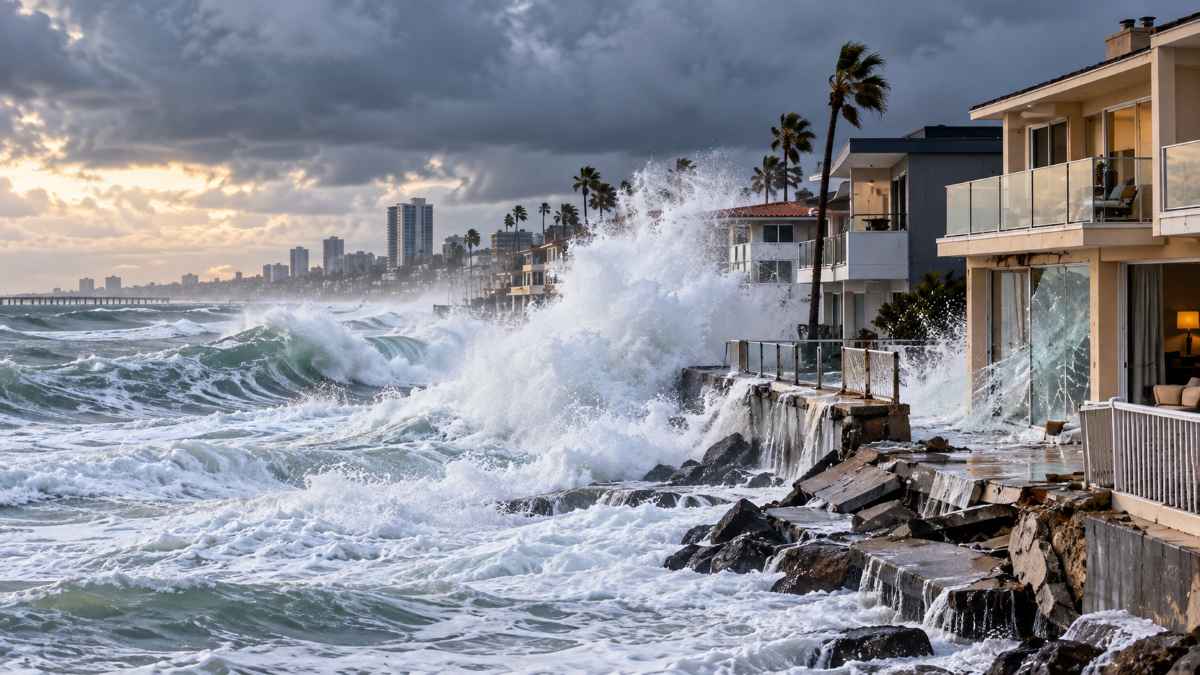 Image generated with Ai
Parts of Southern California now face severe coastal damage, following the onslaught of Tropical Storm Rachel, which saw powerful waves surge into coastal homes, damaging coastal infrastructure and forcing evacuations from vulnerable properties. Among the most severely impacted areas are Long Beach, where seawater breached the barriers, flooded homes, and caused damage to portions of the historic boardwalk. The damage caused by the storm went beyond the region where it made landfall in northern Baja California, Mexico. Coastal flooding was witnessed along the coast of California because of the high surf, while rainfall from the remnants of the storm led to flooding and road closures in inland regions. While the storm had dissipated when it made landfall, coastal hazards continued to pose risks at the start of the week. For property owners, it is about assessing the extent of damage done to their property and repairing the barriers. For tourists, it is about being aware that accessing beaches and coastal infrastructure becomes dangerous during severe weather.
Long Beach Homes Suffer Severe Coastal Damage
In Long Beach, waves struck the Alamitos Peninsula with enough force to breach shoreline defences and send seawater through windows and doors. Oceanfront properties were flooded, while the wooden boardwalk and sections of the coastal barrier sustained significant damage.
The erosion also exposed the ground beneath some buildings, raising concerns about structural stability. As waves repeatedly washed away sand around foundations, inspectors assessed properties for damage and safety risks.
Eight buildings had been marked with red tags, affecting 13 individual addresses, according to reports on the city’s inspections. A red tag indicates that a structure is unsafe to enter. At least one additional building received a yellow tag, indicating restrictions on its use.
Advertisement
Advertisement
Evacuation orders affected residents in vulnerable sections of the peninsula. The situation left some households uncertain about when they would be able to return, while inspection teams worked around changing tides and continuing surf.
The damage followed earlier coastal erosion that had already weakened parts of the shoreline. With protective sand depleted, the latest waves placed additional pressure on barriers and properties that had limited protection against the ocean.
Advertisement
Advertisement
Crews Reinforce Coastal Barriers in Newport Beach
Newport Beach also faced flooding and dangerous surf as Rachel affected Southern California. Officials and contractors worked through the weekend to strengthen protective sand berms, operate pumps and manage water around vulnerable coastal properties.
Preparations were particularly important along the Balboa Peninsula, where high tides and powerful waves threatened roads, homes and waterfront infrastructure. Protective sand barriers helped limit the extent of flooding in some areas, although conditions remained unpredictable.
The city’s response included reinforcing existing berms, building additional sand barriers and monitoring vulnerable sections of the coastline. These measures were intended to reduce the amount of seawater reaching residential areas as high tides continued.
Newport Pier, Balboa Pier and the Wedge were among the locations subject to temporary closures during the hazardous conditions. Beach visitors were advised to respect restrictions and avoid walking on protective sand berms, which are designed to reduce flooding rather than provide public access.
For tourists staying in coastal accommodation, the closures highlight the importance of checking local announcements before visiting beaches, piers and waterfront recreation areas.
Dangerous Surf Extends Beyond Southern California
Rachel’s impact was not limited to Long Beach and Newport Beach. Large waves were reported along other parts of California’s coastline, including sections of the central and northern coast.
Advertisement
Advertisement
Wave measurements reported at locations such as Point Sur, Cape Mendocino and Point Reyes illustrated the strength of the Pacific swell. Such conditions can create dangerous rip currents, coastal overtopping and sudden changes in beach conditions, even in locations away from the most visible property damage.
In San Clemente, rainfall contributed to rockslides and flash flooding that disrupted road travel. Rachel’s moisture also moved inland across the Southwest, contributing to flooding concerns in Nevada and Utah.
These conditions created separate challenges for coastal and inland travellers. Drivers faced the possibility of road closures and hazardous routes, while beach visitors were urged to remain away from exposed shorelines.
El Niño Raises Longer-Term Coastal Concerns
The destruction has brought about heightened awareness regarding the fragility of California’s coastlines before the onset of the wet season. The prediction of an active El Niño season is worrying since it could lead to excessive rainfall and thus erosion and destructive waves. Though El Niño affects the Pacific weather and sea systems, its impacts vary from location to location, season to season. There is no certainty that all coastal cities will be affected by serious floods. However, the fear of recurring storms has forced local governments to evaluate their shoreline defences. Long Beach and Newport Beach will have to deal with the damage caused by the storm and at the same time brace themselves for more instances of heavy surf. The sand nourishments, repairs of the sea wall and other measures will come into play as the cities figure out how to protect themselves from future damages. As for travellers, the simple recommendation is that one needs to find out about beach and highway closures and evacuate if ordered to do so.
Advertisement
