Image generated with Ai
Oujda is one of Morocco’s most interesting but less crowded cities. It sits in the north-east of the country, close to the Algerian border. It is the main city of the Oriental region. Many travellers know Morocco for Marrakech, Casablanca, Fez and Agadir. Oujda offers something quieter. It gives visitors old streets, local food, green parks, mountain scenery and easy access to the Mediterranean coast. It is a place where travellers can slow down and see daily Moroccan life. The city is also a strong base for families visiting relatives, culture lovers and beach holiday visitors. Oujda Angads Airport makes the region easier to reach. Direct seasonal flights from Rotterdam have added a new connection between the Netherlands and this special part of Morocco.
The old medina is the centre of an Oujda visit. It is full of narrow lanes, small shops, local markets and old walls. Walking here feels like stepping into another time. The streets may be busy, but this is where the city’s energy lives. Visitors can watch shopkeepers arrange spices, clothes, sweets and handmade goods. It is a good place to buy small gifts and taste local snacks.
The medina has important historic gates. Bab al-Gharbi is one of the best-known gates and gives visitors a clear view of the city’s past. The Al Kabir Mosque area is also part of the old heart of Oujda. Travellers should dress respectfully when visiting religious areas and remember that some places may not be open to non-Muslim visitors.
Oujda is not only old streets and markets. Sebti Palace adds a cultural side to the journey. The palace hosts art, music, exhibitions and public events. It shows how the city brings together its history and modern creative life. This mix makes Oujda feel more personal than a rushed sightseeing stop.
Advertisement
Oujda has peaceful open spaces that give visitors a break from the market streets and summer heat. Lalla Aicha Park is one of the city’s best-known green places. Families and local people come here to relax, walk and enjoy time outdoors. It offers a softer view of urban Morocco.
These green spaces matter because Oujda is a working city as well as a tourism destination. Visitors see students, families, shop owners and workers using the same streets and parks every day. This makes the trip feel more real. It also helps travellers understand why Oujda is important to the Oriental region.
Food is an important part of the Oujda experience. Morocco is known around the world for tagines, couscous, grilled meat, fresh bread and mint tea. Oujda adds its own local touch. Berkoukes is a dish closely linked with the region. It is made with small pasta-like grains and is often cooked with vegetables and meat. It is warm, filling and perfect for a family meal.
Travellers should also try fresh Moroccan bread, pastries and tea in local cafés. A simple meal can become a special memory when it is shared slowly. Busy restaurants are often a good sign that food is fresh and popular with local people. Visitors should ask what has been prepared that day and try dishes they may not see in large tourist centres.
Moroccan Arabic and French are widely used in Oujda. English is more common in hotels and places serving visitors. Learning a few French or Arabic greetings can make a big difference. A smile and respectful manner are always helpful.
Advertisement
Advertisement
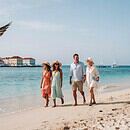
One of Oujda’s strongest travel advantages is its link with Saïdia. This popular Mediterranean resort is around 60 kilometres away. It gives visitors a completely different kind of holiday. Oujda brings heritage, markets and local culture. Saïdia brings soft sand, blue water and resort life.
Saïdia has around 14 kilometres of sandy beach. It is a strong choice for families, couples and groups of friends. Visitors can swim, rest by the sea or join watersports. Windsurfing, kitesurfing, diving and water skiing are among the activities available in the area. The sea is a major draw during the warmer months.
The marina becomes more lively in the evening. Travellers can walk beside the water, enjoy a meal or sit in a café. Saïdia also has golf and hotel facilities, which make it useful for longer stays. The easy link between Oujda and Saïdia allows visitors to enjoy a city-and-coast trip without flying between destinations.
The area around Oujda and Saïdia has much more than city streets and beaches. Nature lovers can look towards Zegzel Valley, a popular scenic escape in the wider Oriental region. The landscape adds green views, hills and a quieter pace.
Cape Ras El Ma is another attractive place for a day trip. It has cliffs, dunes, eucalyptus trees and wide Mediterranean views. The Moulouya area is also important for plants and birds. These places show why Oujda can appeal to visitors who want nature as well as culture.
Travellers should plan day trips carefully. A private car, local driver or organised tour can make visiting easier. It is wise to check travel time, weather and return transport before leaving the city.
Spring and autumn are good times for walking in Oujda and exploring nearby nature. The weather is usually more comfortable for sightseeing. Summer brings strong heat to the city but is excellent for a Saïdia beach holiday. Winter is cooler and quieter, though nights can feel cold.
Oujda Angads Airport is the main arrival point for the region. The airport supports both city visitors and travellers heading to the coast. Visitors should arrange onward travel before landing, especially when travelling to Saïdia in the busy summer season.
Oujda does not need giant crowds or famous luxury labels to impress. Its power comes from its honest character. It offers old Morocco, family warmth, Mediterranean beaches and natural escapes in one remarkable region.
Transavia has launched a direct summer connection between Rotterdam The Hague Airport and Oujda in north-eastern Morocco. The route started on 2 July 2026 and runs until 31 August 2026. It gives travellers a simple way to fly between Rotterdam and Oujda without changing planes. The airline operates the service twice each week, on Mondays and Thursdays. Transavia uses a Boeing 737-800 aircraft for the route. The journey takes about three hours. This new link matters because it brings two communities closer during the busy summer travel season.
Advertisement
Advertisement
Oujda has strong family links with many people living in Rotterdam and nearby Dutch cities. Summer is an important time for families to meet, attend celebrations and spend time together. A direct flight removes the need for long road trips or stopovers at other airports. Transavia says the route responds to continuing interest in travel to Oujda. The airline had already tested demand with a temporary Amsterdam–Oujda service during the Christmas period. The Rotterdam service builds on that interest and gives travellers another direct gateway to Morocco.
Oujda is more than a family-travel destination. It offers a historic medina, old city gates, local food and cultural places such as Sebti Palace. The city gives visitors a calmer look at Moroccan life away from the country’s best-known tourist centres. Travellers can also use Oujda as a starting point for a wider holiday in north-eastern Morocco. Saïdia, on the Mediterranean coast, is around 60 kilometres away. It is known for long sandy beaches, warm water, watersports, golf and a lively marina. This makes the route useful for both family visitors and holidaymakers.
Oujda is Transavia’s latest Moroccan destination from Rotterdam The Hague Airport. The airline also serves Al Hoceima, Fez, Nador and Tangier from the airport. This wider network shows the importance of Morocco for summer travel from the Netherlands. It also gives passengers more choice when planning family visits or beach breaks.
Passengers need a valid passport for Morocco. Dutch citizens staying for no more than 90 days normally do not need a visa. Travellers should check their documents before departure. The route is seasonal, so passengers should book early and confirm their flight details before travelling.
Advertisement
Tags: morocco, North Eastern Morocco, Oriental Region, Oujda, Saidia
Advertisement
Advertisement












Tuesday, September 1, 2026

Tuesday, September 1, 2026

Wednesday, September 2, 2026
Wednesday, September 2, 2026
Tuesday, September 1, 2026

Tuesday, September 1, 2026

Tuesday, September 1, 2026

Tuesday, September 1, 2026