
Over 240 Cancellations and 2,480 Delays Affect Travel Around Asia at Dubai, Tokyo and More Airports

Published
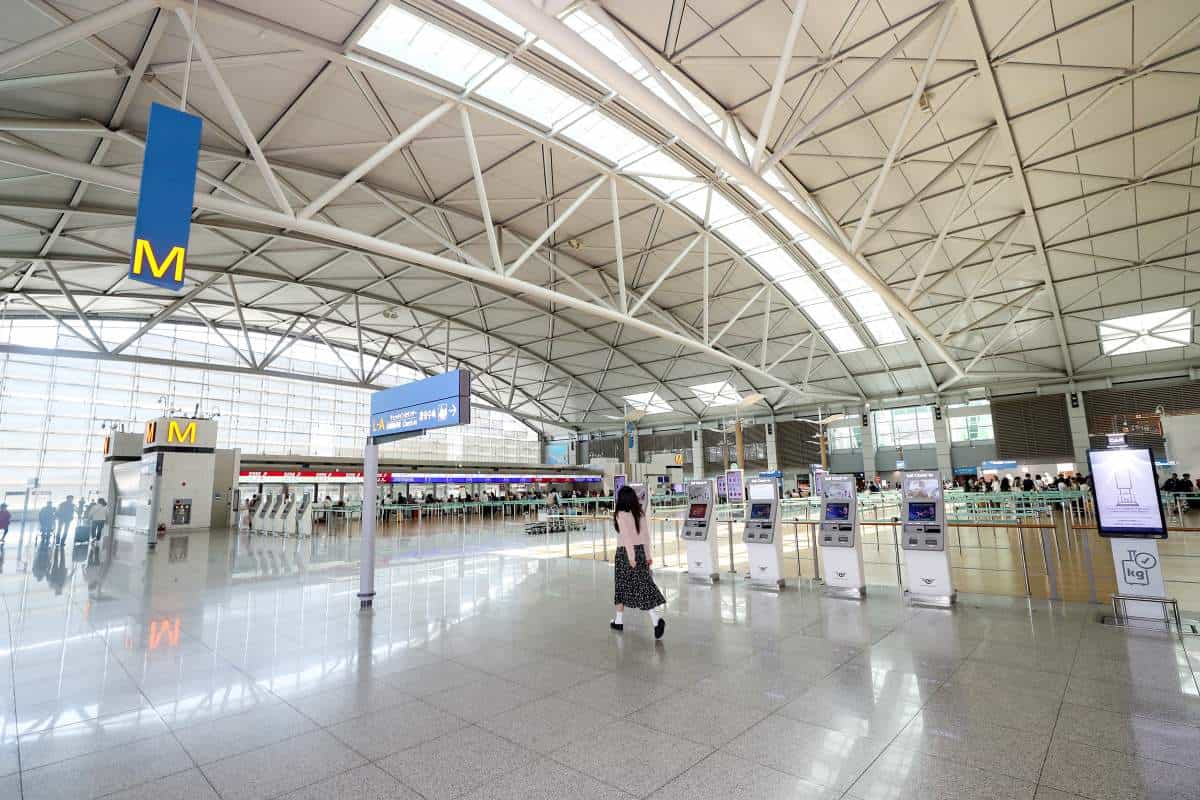
Travel around Asia was impacted by over 240 cancellations and 2,480 delays today due to widespread flight disruptions at key airports like Dubai, Tokyo, and others. A number of causes contributed to the operating pressure, including the effects of volcanic ash in Indonesia, difficulties with aircraft rotation, air traffic congestion, and problems with schedule recovery. Passengers from several nations were impacted by major hubs like Tokyo Haneda, Jakarta Soekarno–Hatta, Kuala Lumpur, Delhi, and Shanghai. Airlines also had to deal with network-wide issues as Asia’s interconnected aviation infrastructure was further disrupted by delayed flights and altered timetables.
Volcanic ash, network congestion and operational pressure disrupt Asian air travel
Asia’s aviation network faced widespread disruption today as major airports across Indonesia, Japan, India, China, Malaysia, the Middle East and Southeast Asia recorded significant flight delays and cancellations. Based on the provided airport and airline data, affected airports reported 2,480 flight delays and 243 cancellations, creating operational challenges for airlines and passengers across some of the world’s busiest travel markets.
Advertisement
Advertisement
The disruption pattern was led by major Asian aviation hubs including Tokyo Haneda, Jakarta Soekarno–Hatta, Kuala Lumpur International, Dubai International, Indira Gandhi International and Shanghai Pudong International Airport. Indonesia’s aviation network continued to experience the impact of the recent Mount Anak Krakatau volcanic ash event, which forced temporary airport closures and caused widespread schedule disruptions before operations gradually resumed.
Which Asian airports recorded the highest delays and cancellations today?
The largest disruption was recorded at Tokyo International Airport (Haneda), Japan, which reported 437 delays and 6 cancellations. The airport’s high passenger volume and dense domestic and international flight schedules made it one of the most affected aviation hubs in the region.
Advertisement
Advertisement
Jakarta Soekarno–Hatta International Airport, Indonesia, recorded 289 delays and 20 cancellations, reflecting the continued operational impact of volcanic ash-related disruptions and aircraft recovery procedures. Although Indonesian airports resumed operations after safety checks, airlines continued managing delayed aircraft rotations and revised schedules.
Other major airports experiencing heavy disruption included:
Advertisement
Advertisement
| Airport | Country | Delays | Cancellations |
|---|---|---|---|
| Tokyo Haneda International Airport | Japan | 437 | 6 |
| Jakarta Soekarno–Hatta International Airport | Indonesia | 289 | 20 |
| Kuala Lumpur International Airport | Malaysia | 175 | 6 |
| Indira Gandhi International Airport | India | 171 | 2 |
| Dubai International Airport | UAE | 172 | 5 |
| Shanghai Pudong International Airport | China | 138 | 16 |
| King Khalid International Airport | Saudi Arabia | 122 | 5 |
| Hamad International Airport | Qatar | 110 | 3 |
| Chhatrapati Shivaji International Airport | India | 103 | 3 |
| Manila International Airport | Philippines | 90 | 6 |
China also experienced widespread pressure across several airports. Beijing Capital International Airport recorded 80 delays and 19 cancellations, while Guangzhou Baiyun International Airport reported 64 delays and 9 cancellations. Kunming Changshui International Airport recorded 55 delays and 9 cancellations, and Chengdu Tianfu International Airport experienced 38 delays and 20 cancellations.
Indonesia’s volcanic disruption creates regional aviation ripple effects
Indonesia remained one of the key sources of disruption across Asia after volcanic ash from Mount Anak Krakatau affected flight operations. The volcanic activity resulted in temporary airport closures, including Jakarta’s main aviation gateway, and disrupted thousands of flights before services gradually restarted.
The impact extended beyond Indonesia because aircraft rotations are interconnected across Asia. When aircraft remain grounded or arrive late, following flights using the same aircraft can also face delays. Airlines operating through Indonesian airports experienced schedule changes, cancellations and fleet repositioning challenges.
Among Indonesian airports listed in today’s disruption data:
- Jakarta Soekarno–Hatta International Airport: 289 delays and 20 cancellations
- Kuala Namu International Airport: 33 delays and 4 cancellations
The disruption affected airlines including Garuda Indonesia, which reported 82 delays (34%) and 3 cancellations (1%), and Batik Air, which recorded 99 delays (31%) and 14 cancellations (4%).
Which airlines were most affected by today’s disruption?
Airline data showed that several carriers operating across Asia experienced significant delays.
Advertisement
Advertisement
Japan Airlines recorded the highest airline delay figure among the listed carriers, with 231 delayed flights (29%) and 3 cancellations (0%). All Nippon Airways (ANA) reported 146 delays (26%) and 1 cancellation (0%), while ANA Wings recorded 105 delays (29%) and 3 cancellations (1%).
Indian airlines also faced operational pressure. IndiGo recorded 171 delays (9%) and 5 cancellations (0%), matching the high disruption level seen at India’s busiest airports.
Middle Eastern airlines operating Asian routes also reported delays:
| Airline | Delays | Delay Rate | Cancellations | Cancellation Rate |
|---|---|---|---|---|
| Qatar Airways | 105 | 16% | 3 | 0% |
| Etihad Airways | 84 | 25% | 1 | 0% |
| Saudia | 72 | 13% | 13 | 2% |
| Air Arabia | 48 | 21% | 1 | 0% |
Chinese carriers were also affected:
- China Eastern: 137 delays (5%) and 35 cancellations (1%)
- Air China: 58 delays (3%) and 29 cancellations (1%)
- Hainan Airlines: 7 delays (1%) and 20 cancellations (2%)
- Spring Airlines: 53 delays (9%) and 2 cancellations (0%)
- China Southern Airlines: 47 delays (2%) and 1 cancellation (0%)
Low-cost carriers faced notable operational pressure. Philippines AirAsia recorded 24 delays (34%) and 6 cancellations (8%), while SpiceJet reported 33 delays (46%) and 3 cancellations (4%).
How were Asian cities and tourism routes affected?
The disruption affected several major tourism and business gateways across Asia. Tokyo, Jakarta, Kuala Lumpur, Delhi, Mumbai, Shanghai, Beijing, Manila and Dubai are key international connection points for millions of travellers.
Advertisement
Advertisement
For international visitors, delays at hub airports can create missed connections, longer waiting times and changes to travel itineraries. Tourism flows connecting Southeast Asia, East Asia and the Middle East were particularly exposed because many long-haul routes depend on these airports as transfer points.
Japan’s major aviation hubs faced pressure with Tokyo Haneda recording 437 delays, while Chinese airports including Shanghai Pudong, Beijing Capital and Chengdu Tianfu experienced combined disruption due to delays and cancellations.
India’s travel network also experienced challenges. Delhi Airport recorded 171 delays, while Mumbai Airport reported 103 delays and 3 cancellations, affecting domestic and international travellers.
| Airport | Origin Airport Cancellation % | Destination Airport Cancellation % |
|---|---|---|
| Jakarta-Soekarno-Hatta Int’l (CGK) | 1% | 1% |
| Beijing Capital Int’l (PEK) | 2% | 1% |
| Chengdu Tianfu Int’l (TFU) | 2% | 1% |
| Shanghai Pudong Int’l (PVG) | 0% | 1% |
| Nanjing Lukou Int’l (NKG) | 2% | 1% |
| Kunming Changshui Int’l (KMG) | 1% | 0% |
| Zhuhai Int’l (ZUH) | 4% | 2% |
| Guangzhou Baiyun Int’l (CAN) | 0% | 0% |
| Chongqing Jiangbei Int’l (CKG) | 0% | 1% |
| Xi’an Xianyang Int’l (XIY) | 0% | 0% |
| Wuxi (WUX) | 3% | – |
| Haikou Meilan Int’l (HAK) | 2% | 2% |
| Beijing Daxing International Airport (PKX) | 0% | 0% |
| Shanghai Hongqiao Int’l (SHA) | 0% | 0% |
| Tianjin Binhai Int’l (TSN) | 1% | – |
| Wuhan Tianhe (WUH) | – | 2% |
| Lhasa Gonggar (LXA) | – | 3% |
| Kuala Namu International (KNO) | – | 3% |
What affected passengers can do now
Passengers affected by today’s disruptions should take several immediate steps:
Check airline updates before travelling
Travellers should confirm their latest flight status directly with their airline before leaving for the airport. Delays caused by operational recovery can change quickly as airlines adjust aircraft schedules.
Allow extra time at airports
Passengers connecting through major hubs such as Tokyo Haneda, Jakarta, Kuala Lumpur, Delhi, Shanghai and Dubai should arrive earlier than usual because check-in, security and boarding schedules may change.
Advertisement
Advertisement
Contact airlines for rebooking options
Passengers facing cancellations should contact airlines for alternative flights, travel credits or refunds based on airline policies and ticket conditions.
Keep travel documents and receipts
Travellers affected by long delays should keep boarding passes, booking confirmations and receipts for additional expenses where airline or insurance claims may require supporting documents.
Monitor connecting flights
Passengers with onward connections should check whether their next flight has also been affected, especially when travelling through major hubs where delayed aircraft can create network-wide schedule changes.
Data Verification Notice
The data has been extensively curated by our editorial team using real-time aviation figures recorded on 8 September 2026 at 3:01 pm ET USA (9 September 2026, 3:01 am China Time zone (GMT+8)).
Primary Source: FlightAware.
Verification Protocol: All statistics have been independently reviewed and cross-checked by our human editorial desk. Timestamped records, data logs and feed snapshots are securely archived internally to support historical accuracy and editorial transparency.
Note: Real-time flight-tracking figures reflect active airspace and operational data. Minor variations may occur when compared with information displayed at individual airport terminals or airline departure gates.
Stay informed with the latest Asia flight cancellation updates and travel disruption reports through our daily aviation coverage.
Advertisement
Verified by Paramita Sarkar
