

Japan Unleashes A Groundbreaking Tourism Phenomenon As Jaw-Dropping Manhole Artworks Spark A Nationwide Frenzy Of Wanderlust And Wonder
 Image generated with Ai
Japan’s artistic manhole covers are turning heads worldwide, transforming sewer lids into stunning tourist attractions that fuel regional pride and cultural tourism.
Japan Turns Artistic Manhole Covers into Tourism Goldmine While Highlighting Infrastructure Challenges
Advertisement
Advertisement
In a country renowned for its meticulous attention to detail and cultural creativity, even the most unassuming parts of public infrastructure are being reimagined as valuable tourism assets. Across Japan, over sixteen million manhole covers serve not only as essential components of the nation’s sewer system but also as vibrant canvases celebrating local history, artistry, and regional identity. These artistically designed manhole covers, many featuring illustrations of famous tourist attractions, regional cuisine, iconic figures, and pop culture characters, have evolved into a unique fusion of civic functionality and tourism innovation.
From Sewer Hatches to Cultural Icons
The transformation of Japan’s manhole covers began in the 1980s with an unusual yet visionary idea. At the time, sewage systems were widely perceived as dirty, unpleasant, and best kept out of sight. In response, a progressive official at the then Ministry of Construction proposed a revolutionary concept: redesign the covers with custom artwork unique to each municipality. The goal was simple but powerful—shift public perception of sewage infrastructure by turning manholes into local symbols of pride and artistry.
Advertisement
Advertisement
That small idea laid the foundation for what would become a nationwide movement. Over time, local governments embraced the initiative, commissioning artists and designers to create covers that reflect their region’s identity, landscapes, and folklore. The effort culminated in the publication of a collection showcasing these designs, sparking growing public interest and media coverage.
A Growing Cultural Phenomenon
The popularity of these decorative manholes has steadily expanded since the early 2010s. A significant milestone occurred in 2012 with the introduction of the Manhole Summit, a national event dedicated to celebrating Japan’s manhole artistry. The summit quickly became a niche cultural phenomenon, drawing over ten thousand enthusiasts who travel across the country to discover, photograph, and discuss the latest manhole designs.
Advertisement
Advertisement
The summit, hosted in different cities each year, has become more than just an exhibition—it’s a celebration of local creativity, urban beautification, and grassroots tourism. Exhibitors include municipal leaders, sewage utility experts, tourism officials, and collectors, all united by a shared appreciation for what has become known as “manhole art.”
Collectible Manhole Cards: A Viral Craze
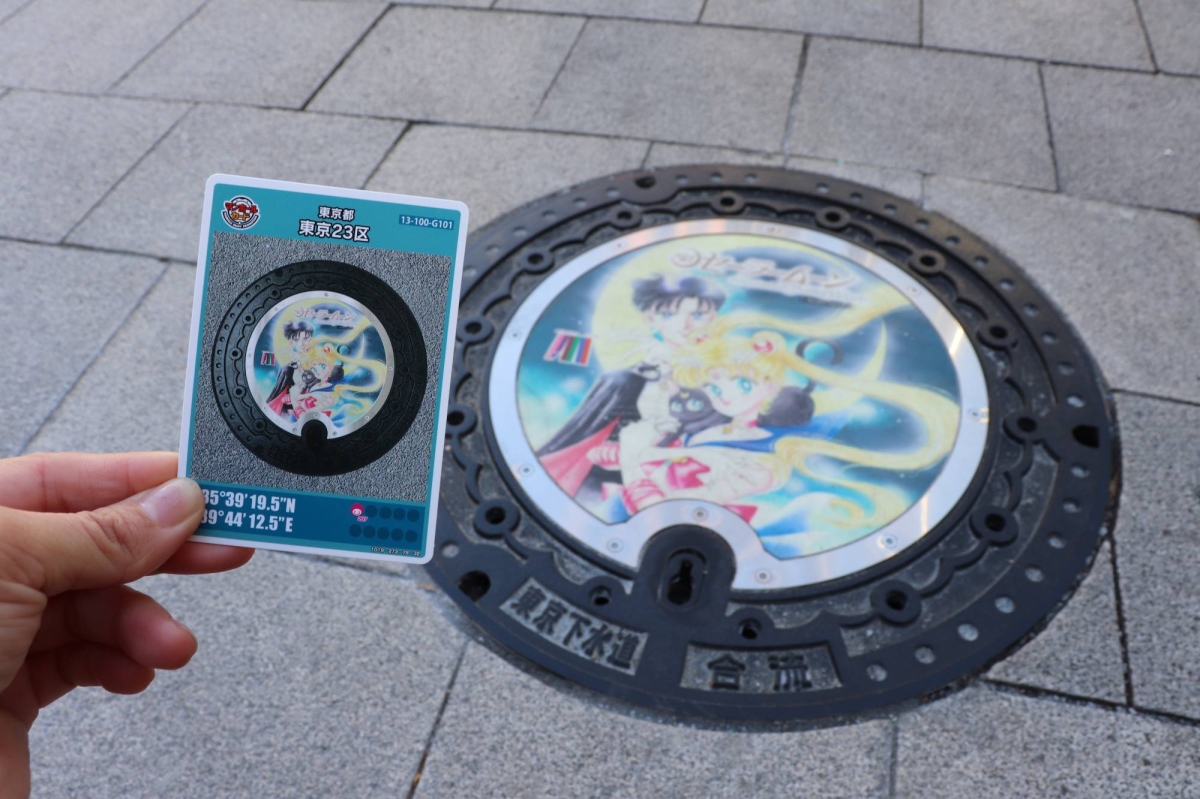
One of the most impactful innovations boosting the popularity of these manhole designs came in 2016. GKP—short for Gesuido Koho Platform, a public-private partnership promoting awareness of sewage projects—introduced collectible manhole cover cards in collaboration with local governments. These cards feature high-quality photos of manhole designs, installation site details, and a brief history of the motif depicted on the back.
As of January 2025, a total of one thousand one hundred fourteen unique card types have been produced, with an astounding seventeen point two million cards distributed. Available primarily at tourist information centers and wastewater treatment plants, these cards have become prized collectibles, prompting many fans to travel to remote towns just to acquire them.
Each card represents more than just a souvenir—it’s a ticket to explore Japan’s off-the-beaten-path destinations, encouraging tourism in lesser-known regions and supporting local economies.
Anime, Icons, and Regional Pride
Japan’s manhole art has expanded into the realm of pop culture with the introduction of covers featuring beloved anime and movie characters. From Gundam and Godzilla to Sailor Moon, these designs often appear in locations that have direct ties to the creators or the original works. For instance, a city may feature a Godzilla manhole if it was a filming location or the birthplace of the film’s director.
This connection between art and origin provides fans a meaningful incentive to explore regional Japan. In doing so, visitors gain a deeper appreciation for local history and heritage while enjoying a modern cultural twist.
Advertisement
Advertisement
Renewed Infrastructure Concerns in the Spotlight
While these decorative manholes bring color and charm to city streets, recent incidents have drawn attention back to the aging infrastructure hidden beneath them. In January 2025, a dramatic event in Yashio, Saitama Prefecture, reignited national discussions about the need for sewer maintenance. A massive sinkhole, caused by a collapsed sewage pipe, swallowed a truck in broad daylight. The alarming incident underscored the growing vulnerabilities in aging urban infrastructure, raising questions about inspection frequency, modernization budgets, and public safety.
Japan’s sewer systems—many of which were installed in the post-war boom—now require urgent assessments and reinforcements. While the manhole art movement has successfully shifted public attention toward manholes, officials and experts emphasize the importance of addressing the less visible but critical aspects of infrastructure maintenance.
Manhole Toilets: A Lifeline During Disasters
Manhole covers have also found a vital role in Japan’s disaster preparedness strategy. After the devastating earthquake in the Noto Peninsula on New Year’s Day 2024, communities scrambled to provide basic services amid collapsed structures and disrupted utilities. One key innovation that gained renewed attention was the “manhole toilet”—a simple yet life-saving system that involves placing a toilet seat and privacy panel over a manhole to create an emergency sanitation facility.
These portable toilets, which require no running water or power, can be deployed rapidly following natural disasters. Their importance has become increasingly clear in a nation that frequently contends with earthquakes, typhoons, and tsunamis. As a result, municipalities across Japan have started incorporating manhole toilets into emergency preparedness drills, ensuring residents know how to use them in times of crisis.
Blending Art, Function, and Community Engagement
Japan’s decorative manholes are more than aesthetic enhancements—they are living symbols of how functional infrastructure can be reimagined through creativity and civic engagement. From humble beginnings as an image-cleaning campaign for the sewage industry, these covers have grown into cultural icons, marketing tools, disaster solutions, and tourism magnets.
What began as a public relations strategy now serves as a case study in urban design, tourism innovation, and community pride. In a country where tradition and technology coexist harmoniously, even manhole covers have been transformed into meaningful, multi-functional assets.
As interest continues to grow—both domestically and internationally—Japan’s artistic manhole revolution proves that beauty, storytelling, and public service can intersect in the most unexpected places. And in doing so, they shine a light on both the artistry above and the infrastructure below.
Advertisement
